
CHASE SECURITY CENTER
Help older adults safeguard finances
Tips and tools to help you and those who support you plan ahead to protect your financial future

Help plan ahead with confidence
Managing your finances should feel clear and manageable at every stage of life. We’re here with guidance, tips and tools to help you stay organized, plan ahead and protect what matters most. You’ll also find information to help you recognize when something doesn’t seem right, so you and those who support you can take action with confidence.
Signs someone may be taking advantage of your finances

Have you noticed missing money, checks or valuables?
- Have there been withdrawals that you didn’t make yourself?
- Are there any payments from your account that you don’t recognize?
- Have any of your belongings disappeared?
- Do the explanations for any of these things feel vague or inconsistent?
Do you feel pressured to make a decision about your money?
- Has anyone made you feel rushed or guilty for not giving them money?
- Has anyone pressured you into signing documents?
- Has anyone pushed you into changing your will?
Are things less clear since someone new started handling your finances?
- Have your passwords changed without your knowledge?
- Can you still access your account(s)?
- Do you know where your bank cards are?
- Do you have proof your bills have been paid?
If you’re seeing any of these signs, the resources below will guide you through what to do. Or you can visit us at your local branch.
Help loved ones stay financially secure
As someone you care about gets older, it’s important to keep a watchful eye for signs of financial abuse.

New friendships (online or in person)
Bad actors invest time to build trust, then pressure people to invest in stocks, cryptocurrency or real estate. Be cautious of new acquaintances pushing investment opportunities or asking for financial details — especially newer friends, aides or companions.

Unusual financial activity
Look out for unpaid bills, missing checkbooks or valuables, suspicious signatures and any unexpected users suddenly authorized to access financial accounts.

New ownership or responsibility
Sudden changes in a person’s will, estate plan or power of attorney can sometimes indicate financial abuse. If you notice changes like this, it's important to offer help, including if it should be reported.
Add a Trusted Contact Person
A Trusted Contact Person is someone you authorize us to reach out to if we can’t get in touch with you and something doesn’t seem right, like potential fraud, cognitive decline or financial exploitation. Your Trusted Contact doesn’t have access to your money, but they can help protect you and your account.
Our free guides can help you stay protected

Your guide to safeguarding your finances for the future
This easy-to-follow guide helps you plan ahead and can bring peace of mind if something unexpected happens. It can help you:
- Break down estate planning considerations
- Identify items to consider to be prepared for life’s uncertainties
- Provide loved ones guidance for your future wishes
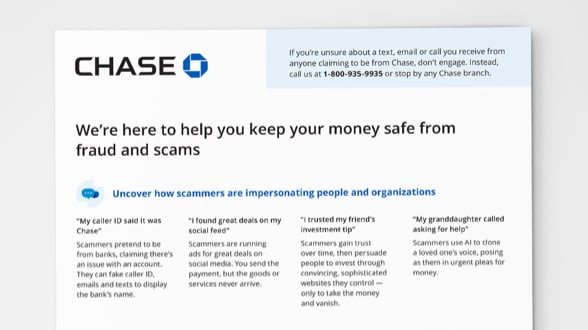
Your guide to help keep your money safe from fraud and scams
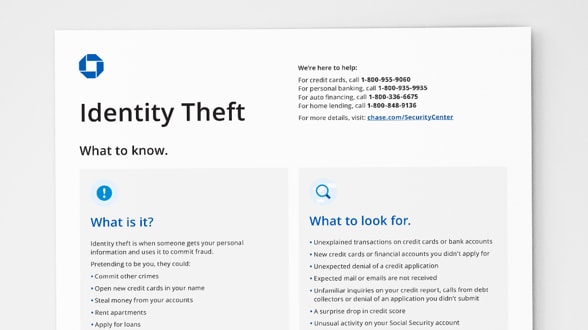
Your guide to help protect against identity theft
Watch out for check fraud
Be careful when writing or depositing checks
Checks you write — stolen or “washed” checks
- Criminals can steal checks from mailboxes or those that aren’t properly destroyed.
- They may “wash” the check to change the name or amount.
- They can also use your routing and account numbers to create counterfeit checks or sell your info.
Checks you deposit — overpayment scams
- Criminals send you a check which you then deposit.
- They claim they overpaid by mistake and ask you to send them money back for the difference.
- Weeks later, the check is discovered to be fake — and you may be responsible for the loss.
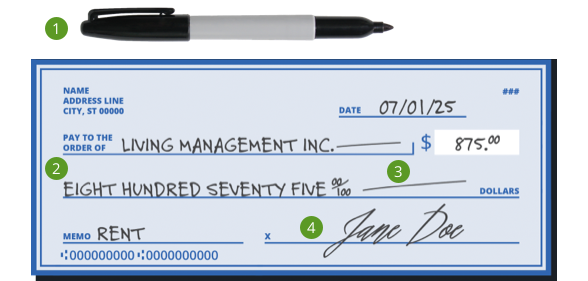
If you need to write checks, follow these tips
- Use permanent ink so it’s harder to erase.
- Don’t leave empty space before the payee or dollar amount.
- Draw a line through the extra spaces.
- Sign the same way every time.
Scams that often target older adults
Scammers often pose as representatives of your bank or a trusted organization, like a government agency, law enforcement or a familiar company. They can even use the latest technology to sound like a loved one, claiming to need immediate emergency funds.

My phone rang. My caller ID said “Chase”
The man on the line spoke calmly, telling me someone was withdrawing money from my account.

I thought I was being investigated by the FBI
The man told me I was being investigated for money laundering.

I got a “Dad, I’m in trouble” voice mail
It was my daughter, saying, “I’ve had an accident. I’m OK but I need help fast. Please don’t tell mom....”

We were video chatting regularly
We messaged every day and saw each other on video when he could get a strong enough signal. The video calls were short but it was nice to see him.

I saw a marketplace listing for the phone I’d been looking for
When I messaged the seller, they told me it was an unwanted gift and they just wanted to get rid of it quickly.

I saw a great deal on an item I’d been eyeing
I saw an ad with a huge discount for the exact same handbag I’d had my eye on for my daughter. This was the deal I’d been waiting for.
Resources that can help prevent and report fraud
Consumer Financial Protection Bureau
Get tools to help manage your loved one’s finances or property.
FINRA
Offers an array of information and resources to help you recognize the signs of investment fraud.
Equal Justice Initiative
Get fraud and scam prevention help from the U.S. Department of Justice office dedicated to combating elder abuse, neglect and financial scams targeting older adults.
Federal Trade Commission
Stay up to date on the latest scams and get practical guidance to avoid them, report them and recover if you’ve been targeted.
AARP Fraud Watch
Call 1-877-908-3360 to be connected to trained fraud specialists and volunteers, or get more fraud and scam prevention resources at their website.
National Elder Hotline
Call 1-833-FRAUD-11 (1-833-372-8311), a free resource created by the U.S. Department of Justice (DOJ) that provides help to older adults if they have fallen victim to fraud or scams.
Frequently asked questions
Making a clear plan can help give you and your loved one's peace of mind. Start by finding and organizing important documents, like wills, power of attorney, beneficiaries, tax records, insurance and asset information. You can seek guidance from a tax and legal professional, as well as your Chase banker or J.P. Morgan advisor. And you can get our free “Plan For The Unexpected” (PDF) guide to help safeguard your finances and your family.
Scammers target people of all ages. Older adults may be targeted because scammers believe they may have less familiarity with cybersecurity and a willingness to pick up the phone or answer an email from a stranger — most importantly, they often have money saved up in the bank. These assumptions are often inaccurate, but scammers continue to use them when selecting targets.
The most effective way to be sure is to hang up and call back using the number on the back of your card or account statement.
Identity theft occurs when someone uses your personal information without your permission. This can include opening credit accounts, applying for loans, accessing financial accounts, filing fraudulent tax returns or making purchases in your name. You can get our free guide (PDF) to helping protect you from identity theft and what to do if it happens.
Review our Identity Theft Kit (PDF) for guidance on recognizing identity theft, placing fraud alerts, monitoring your credit reports and taking steps to help protect your personal information and financial accounts.
Explore the Chase Security Center


Students/young adults
Guidance for teens, students and parents.

Protect your business
Resources and tools to help protect your business from fraud and scams.


We’re here to help
When in doubt, contact us before you share your account information or send money. Call us using the number on the back of your card or account statement, or visit a branch location.