
CHASE FOR BUSINESS SECURITY CENTER
Help protect what you’ve built
Scams and fraud can hit any business — big or small. That’s why Chase offers tools and alerts to help you spot threats early, protect your money and keep your business moving forward.

Activate Chase security features for greater control
Please note: some of our Fraud Protection Services features may not be available for all accounts. See details.
CHECK MONITORING
Keep an eye on outgoing checks

Check Monitoring can help you avoid potential fraud by letting you review outgoing checks over a dollar amount you choose. If someone tries to cash a check at or above that amount, you’ll get a heads-up and can approve or reject it online.
You don’t need to enter check details in advance — just set your review limit and monitor checks as they come through.
CHECK PROTECTION SERVICES
Pre-clear your checks for ultimate control

Check Protection Services, or “Positive Pay,” is an alternative to Check Monitoring. You can upload or enter basic info about the checks you’ve written (like the check number and amount). Then, Chase watches for any mismatches.
If a check doesn’t match what you submitted, you get an alert and decide whether to approve or reject it — right from your online dashboard.
ACH DEBIT BLOCK
Block unwanted withdrawals

ACH Debit Block gives you control over who can take money from your account using ACH (Automated Clearing House) payments. You can block all ACH debits entirely or create an approved list of businesses you trust to make withdrawals.
ACCOUNT ALERTS
Stay in the know

Account Alerts let you know if something important happens with your business accounts — like a low balance, a large transaction or possible fraud. You choose what alerts to get and how you want to get them — by email, text or both.
ACCESS & SECURITY MANAGER℠
Delegate financial tasks

Access & Security Manager makes it easy to give your employees access to your Chase business accounts. You decide who can do what, from viewing balances to making payments, and you can update or remove access anytime.

Watch step-by-step videos on fraud protection tools and setup
From ACH Debit Block to Check Monitoring, our short videos show you how to activate key security features — and why they matter.

Watch out for scammers impersonating Chase
They’ll pretend your accounts are at risk. They may claim there are suspicious wires or ACH debits and put pressure on you or an employee to act fast, so you don’t lose more money or have your account frozen.

The phone rang. It said it was Chase.
When Chase appeared on my caller ID, I took the call. The person said they were from the fraud team and knew details about our recent transactions. They sounded calm and professional.
They told me there’d been suspicious activity and warned that if I didn’t act straight away, our company funds could be frozen or stolen. To “protect the account,” I was instructed to wire money to a new account. I hesitated, but they reassured me it was standard procedure and pressured me that acting quickly was crucial.
The minute I sent the money, they hung up. I panicked and called Chase. They told me there was no fraud investigation. The account I’d sent the funds to belonged to a scammer and the money was gone.
I wish I’d known
- Scammers impersonate banks and claim your account is at risk. Reputable banks will never ask you to move money to resolve fraud.
- Caller ID and text messages can be spoofed to appear exactly like your bank. For your security, hang up and call the number on the back of your card to verify it’s really your bank.
- Treat Zelle®, checks, wires, cashierʼs checks, gift cards, transfers and crypto like cash. Once scammers get the money, you probably won’t get it back.
Scams are evolving fast — here are some trending threats

Imposter and AI voice cloning
These scams work because they feel personal — an email from the “boss,” a text from a “vendor,” a call from your “bank” or even a realistic AI-generated voice claiming to be the boss. The tone feels urgent, the request seems reasonable — and just like that, money is gone.
Check fraud
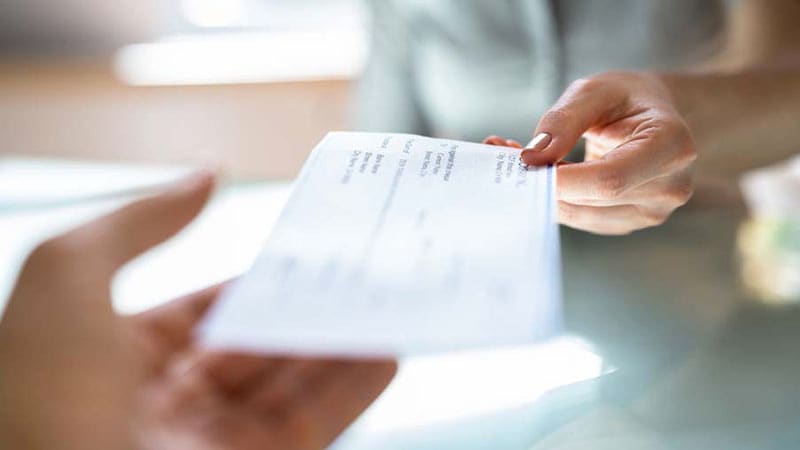
Business checks are still a common way to pay vendors — but they’re also a favorite target for fraud. Fraudsters steal checks, change the amounts, copy them or deposit them twice. Or they’ll send a fake check or one that bounces, and claim they overpaid, hoping you’ll send them a refund.

Business email compromise
Scammers gain access to an email address and pretend to be vendors or people you know to fraudulently collect money and information. Unlike other cyberattacks that rely on technical vulnerabilities, business email compromise focuses on exploiting human vulnerabilities and trust.
4 top scams affecting businesses right now

I thought I was saving money by jumping on a good deal
I run a small business, and cash flow can be challenging. My old laptop had finally given up on me and I didn’t have a lot to spend, so I decided to look on a social media marketplace for a bargain.
I couldn’t believe my luck when I found a brand new one at a really good price. I messaged the seller. They told me it was an unwanted gift and still in its box. They sent me pictures too. They said the easiest way to pay was with Zelle® and gave me their info. It all felt so routine. I didnʼt even think to question it and I sent the money. I never got the laptop and the seller disappeared.
I wish I’d known:
- Zelle® is for family, friends and businesses you know and trust, not for marketplace strangers.
- Treat Zelle®, checks, wires, cashier’s checks, transfers, gift cards and crypto like cash. Once scammers get the money, you probably won’t get it back.
- Scammers are advertising on social media and social marketplaces. Whenever possible, shop through official websites and be cautious of deals that seem too good to be true before sending any money.
We toured the space and reviewed the lease
I’d spent months searching for the right property to expand my business. When I found the listing, everything lined up perfectly. The leasing agent replied within minutes, shared the lease, ID and ownership records. He even looped in his lawyer. We visited the space. Nothing felt rushed, just professional.
To secure the deal, I wired a hefty deposit. Then silence. Emails to the agent bounced back. It turns out the original listing had been stolen from another website. In a few days, months of planning and a life-changing sum of money were gone. I didn’t feel like I’d been reckless because it was such a sophisticated scam.
I wish I'd known
- Seeing a property doesn’t mean the listing is legitimate.
- Scammers copy genuine listings and documents.
- Treat Zelle®, checks, wires, cashier’s checks, transfers, gift cards and crypto like cash. Once scammers get the money, you probably won’t get it back.
I got a recommendation from my colleague that I thought I could trust
It all started with a message from someone in my network. They’d been really pleased with a new vendor who did their taxes. They shared a link, which led to a professional-looking website offering quick, “comprehensive” tax returns.
I wanted to get my company returns done early, especially since I expected a refund. So, I signed up, paid the fee and sent all my sensitive documents through their portal. But then I heard nothing.
I reached out to my colleague who’d given me the recommendation and it turns out the email and website had been created by a scammer. It never occurred to me that this recommendation could be a scam.
I wish I’d known:
- Friends, colleagues and associates can be hacked. Before trusting links or offers, check with them in person or on a known phone number first.
- Scammers are creating professional-looking websites. Next time I need a service, I’ll verify independent reviews and double-check that I’m on the brand’s official site.
- In addition to hacking profiles, scammers can make caller ID, emails and texts display as messages from known businesses. If you are ever unsure, end the conversation and reach out to the company directly through their official website.
Mailing a vendor a check set off a chain of events
I’ve always written checks to pay vendors and dropped them into the blue mailbox on the corner.
Then one morning, everything unraveled. A vendor called about an overdue bill I knew I’d paid. When I logged into my account, my stomach dropped. The check I’d mailed had been cashed for a much higher amount. Apparently, scammers had erased it and rewritten it for thousands more in their own name. My balance had been almost wiped out.
I never thought I’d find myself in a situation where my company would be unable to pay its bills, but there I was.
I wish I’d known:
- I could use Chase Online℠ Bill Pay, which allows me to pay bills without sharing my account details.
- Stolen checks can be washed, rewritten and replicated within hours
- Mail theft from blue boxes is far more common than people realize. If I ever mail checks again, I will send them from inside the post office.
Also get the latest on scams that can happen in your personal life
Tips to help make your business harder to hack
You don’t need to be a tech expert to help protect your business. A few routine habits can go a long way in helping keep your accounts, employees and data safe from scammers and cybercriminals.
Strengthen your logins and systems
- Consider using a password manager to generate and store strong logins.
- Turn on multifactor authentication (MFA) for all systems — especially email and banking.
- Don’t reuse passwords across banking, payroll and vendor platforms.
- Keep all software, apps and devices updated with the latest patches.
- Install antivirus software and make sure it stays up to date.
Help strengthen safeguards around how you send and receive payments
- Instead of mailing paper checks that can be stolen or modified, consider switching to a digital payment method like ACH, Zelle®, Chase Online℠ Bill Pay or wire transfers.
- Enroll in Check Monitoring or Check Protection Services to help stop fraud.
- Verify any unexpected payment requests by calling the vendor or team member directly.
- Be wary of customers who want to overpay for goods and services.
- Ensure that a check clears before issuing a refund.
- Use permanent ink on checks and mail them from inside the post office.
Stay informed and one step ahead
Scammers don’t sit still — and neither should you. That’s why we’ve put together quick reads and real-world insights to help you understand what’s out there, what’s new and how to help keep your business protected from scam and fraud threats.
Start with these featured articles:

Is your business still using checks? Read this first.
Learn why checks are still a major target for fraud, how scams like “check washing” and duplicate deposits work, and the simple steps you can take to help protect your payments.

Imposter scams are getting smarter. Is your team ready?
From voice cloning to fake emails, imposters use urgency and trust to trick businesses into sending money or info. See real examples and learn how to help stop them.

Protecting your business from today’s top cyber risks
Cybercriminals are finding new ways to target businesses of every size — and small businesses are often a prime target. Learn which risks are most common right now, why your business could be in their sights and steps you can take to help stay protected.
Suspect fraud? We’re here to help.
If something doesn’t seem right, contact us right away so we can help guide you. Call us at 1-800-242-7338 or reach out to your Chase Business Banker directly.
Explore the Chase Security Center


Help safeguard seniors
Information, resources and tools for older adults and caregivers.

Students/young adults
Guidance for teens, students and parents.
