
CHASE SECURITY CENTER
The latest scams

We share real-life scam stories
The more you know about how scams really unfold, the more effective you can be in protecting your account and information.
Bank impersonation scams: When scammers pretend to be your bank
They’ll pretend there’s an issue with your account and your money is at risk. They may claim there’s fraud on your account and put pressure on you to act fast so “you don’t lose” the rest of your money.

My phone rang. My caller ID said “Chase”
The man on the line told me they suspected fraud on my account. When I hesitated, he offered to connect me with his supervisor.

“I was convinced a branch employee was in on it”
I was amazed at the lengths these scammers went to and how believable it seemed.
Investment scams: When money and opportunity are the bait
Scammers spend weeks or months earning your trust, then use convincing platforms to display made-up returns and nudge you into bigger and bigger commitments.

My “friend’s” investment tip looked like a golden opportunity
A guy friended me on social media months ago. We had mutual friends from grad school.
I took pride in how I’ve managed my finances, but they still got me
It started with a contact on a professional networking site commenting on one of my posts and we started chatting. He called himself an international wealth strategist with a private equity background.
Messages that are likely to be scams
If you’re seeing any of these, they’re some of the most common scams happening now. If you get one, delete or ignore it and never reply or click any links.
“Hi, how are you?” texts
Scammers are using friendly sounding messages from unfamiliar numbers, hoping you’ll respond. They then start conversations to slowly build trust.
“This is the recruiter for…”
When you’re looking for a job, these messages can get you excited about a new opportunity. Scammers will ask you to “apply” to get personal information like your Social Security number or pay a fee.
“We’re unable to deliver your package”
If you’re expecting a delivery, or have recently shipped something, these messages can feel believable. The goal is to get you to click a link to install malware or get you to pay a small fee.
“You have an unpaid toll”
If you’ve driven toll roads recently, these messages can feel believable. The goal is to get you to click a link or pay a small “late fee.”
“Hey, we have a friend in common” DM’s
“Friend of a friend” messages get you to let your guard down because you’re connected. The conversations quickly become flirty, often with pictures being exchanged that are used for blackmail.
“Did you make this transaction?” alerts
These are messages claiming to be from your bank asking about a suspicious purchase, often asking you to reply “Yes” or “No” to a transaction you didn’t make. These lead to phony phone calls where they tell you to move money to a “new account” they created for you.
Impersonation scams: When scammers impersonate people and organizations you trust
In addition to posing as representatives of your bank, scammers pretend to be from trusted organizations, like a government agency, law enforcement or a familiar company — or even your family — to get you to act fast.

I thought I was being investigated by the FBI
The man told me I was being investigated for money laundering.

I got a “Dad, I’m in trouble” voice mail
It was my daughter, saying, “I’ve had an accident. I’m OK but I need help fast. Please don’t tell mom....”

My sister texted, her purse had been stolen
It came from an unknown number, saying it was her texting from a borrowed phone.

I got a pop up “alert” saying I’d been hacked
It looked like it came from the same brand as my computer, telling me to call “tech support.”
Relationship scams: When they build trust to take advantage
These scams begin with a connection and build trust over time, sometimes leading to a friendship with the potential for romance.

I thought I was too tech-savvy to fall for a dating scam
Over the next few months we messaged often, especially about the markets. We developed a strong friendship…
We were video chatting regularly
We messaged every day and saw each other on video when he could get a strong enough signal. The video calls were short but it was nice to see him.
Check fraud and scams
Be careful when writing or depositing checks
Check deposit scams: When the check is counterfeit
Scammers send fake checks to deposit then pressure you to send some of the money back. Weeks later, if the check is discovered to be fake, you may be responsible for the loss. Common scams include:
- Fake paycheck scam: Scammers pose as employers and send a “paycheck,” then claim they overpaid and ask you to return part of it.
- Overpayment scam: A buyer sends a check for more than the agreed price, then asks you to return the extra through a digital payment method.
- Lucky winner scam: Scammers say you won a prize, send you a check to deposit, then ask you to send money for taxes, fees or processing.
Check fraud: When checks are stolen or altered
Written checks include personal and account details that scammers can steal to create counterfeit checks in your name or they can be altered, resulting in unauthorized payments. Common check fraud includes:
- Stolen mail: Fraudsters take checks from mailboxes before they reach the intended recipient.
- Check washing: Fraudsters steal a signed check, erase details like the payee or amount, then rewrite it to themselves for more money.
- Improperly destroyed checks: Fraudsters retrieve old or deposited checks and use the information on them to commit fraud.
- Counterfeit checks: Fraudsters use your personal and account information to create fake checks in your name.
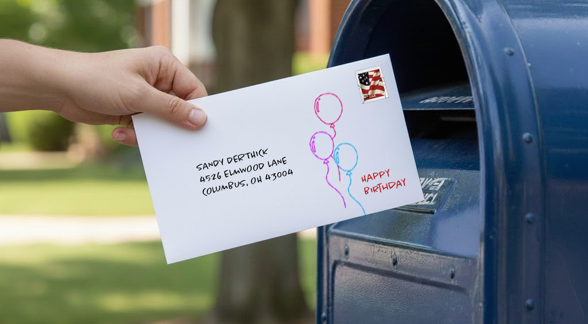
“I dropped a check in the mail and it set off a chain of events”
I’ve always written checks and dropped them into the blue mailbox on the corner. I thought it was safe.
Seasonal or event scams: When timing makes you vulnerable
Scammers know when you’re more likely to be taken advantage of. Whether you’re trying to get tickets to a big event, it’s a high-pressure time of the year like tax season, the holidays or the back to school rush - they tailor their messages to fit the moment.

We thought we’d found the perfect getaway
We found a beautiful house on a major vacation rental website, so we thought we were going to have a great vacation.

It was the biggest event of the year
All seats were sold out. But then a well-known ticket site showed a few available.

Wanting to give back cost me a lot more
When a hurricane hit our coast and the news showed whole streets underwater, I didn’t think twice. I clicked. I donated.

Back-to-school time is always hectic
By the time I found a website advertising a huge back-to-school sale, it felt like a lifeline.
Social media shopping scams: When the ad or listing isn’t what it seems
Scammers are lurking in your social media. They create fake ads and listings in your social feed, including marketplaces and groups, that are designed to win your trust and rush you.

I saw a marketplace listing for the phone I’d been looking for
When I messaged the seller, they told me it was an unwanted gift and they just wanted to get rid of it quickly.

I saw a great deal on an item I’d been eyeing
I saw an ad with a huge discount for the exact same handbag I’d had my eye on for my daughter.

The puppy dog eyes in the ad melted my heart
After our elderly dog passed away, my husband lost his cuddle buddy. So, I decided to surprise him with a new puppy.

A great deal for a yard cleaner popped up in my feed
When an ad popped up on my social media feed for a company new to the area offering a good deal, it was as if they were reading my mind.
Frequently asked questions
Stop engaging with the scammer. If you think you’ve given the scammer personal or Chase account information, please contact us so we can help assess your situation. If money was sent, report it as quickly as possible. Prompt reporting may improve the likelihood that available recovery options can be explored.
Please contact us straight away so we can assess your situation—reporting quickly is important.
The outcome depends on how the transaction occurred and whether the activity involved unauthorized fraud or an authorized payment made as part of a scam.
Fraud (unauthorized transactions): If someone made payments without your permission, we’ll investigate and work to help you get your money back.
Scams (authorized payments): If you willingly sent the money (even if you were tricked), it can be much harder to recover—but we’ll still review what happened and help determine the best next steps.
Explore the Chase Security Center


Help safeguard seniors
Information, resources and tools for older adults and caregivers.


Protect your business
Resources and tools to help protect your business from fraud and scams.


We’re here to help
When in doubt, contact us before you share your account information or send money. Call us using the number on the back of your card or account statement, or visit a branch location.