
CHASE SECURITY CENTER
How scams unfold

We share real-life scam stories
The more you know how scams really unfold, the more confidently you can protect your money and information.
Bank impersonation scams: When scammers pretend to be your bank
They’ll pretend there’s an issue with your account and your money is at risk. They may claim there’s fraud on your account and put pressure on you to act fast so you don’t lose the rest of your money.

“My phone rang. My caller ID said Chase”
How it can happen
The man on the line told me they suspected fraud on my account. I confirmed the transactions weren't mine, but I wasn’t sure if the call was real. When I hesitated, he offered to connect me with his supervisor.
She sounded calm and professional and told me I could go into the branch and transfer my money to a new account they had created for me to fix the issue. However, she said they believed someone at my local branch might be involved so I should go to a different branch but not tell them why I was making the transfer. I went to another branch, filled out a form for an account-to-account transfer and handed it to the teller to complete.
When I got home, I felt uneasy. I called the number on the back of my card and the employee confirmed the account I transferred the money to wasn’t in my name. That’s when I realized I’d sent my money to a scammer. By then, the funds had already been moved and I couldn’t get them back.
I wish I’d known
- Scammers are impersonating banks. They claim there’s fraud on your account and say you have to move money to “fix” the problem. Legitimate banks will never ask you to move money to resolve a fraud issue.
- Scammers can make caller ID, emails and texts display as messages from your bank. If you are ever unsure, call us using the number on the back of your card.
- Banks, police and government agencies never run “sting operations” with customers or ask you to distrust employees.
- Treat account-to-account transfers, Zelle®, checks, wires, cashier’s checks, gift cards and crypto like cash. Once scammers get the money, you probably won’t get it back.
“I was convinced a branch employee was in on it”
How it can happen
My phone rang with my bank’s name on the caller ID. The woman introduced herself as the new branch manager and said she wanted to personally welcome me as a long-time customer. It felt reassuring.
A few days later, she called again. She said they’d identified some unusual transactions on my account and that the police were involved. She transferred me to a detective who gave me his badge number.
He said the branch manager suspected an employee inside the branch so it was important to keep this quiet. They’d opened a new account in my name and said they would watch if the employee made any fraudulent transactions. I gave them my permission to move $2,500 to this new account and read them the code they texted me.
Little did I know they’d drained my account and no new account was set up. It was all so believable, especially how the “detective” was so convincing.
I wish I’d known
- Scammers pose as banks, claim your account is at risk and pressure you to move money into another account.
- Caller ID and texts can be faked. If something feels even a little bit off, hang up and call the number on the back of your card.
- Banks and police won’t ask you to help in sting operations or tell you to distrust bank employees.
- Banks won’t ask you to move money to fix fraud.
- Treat account-to-account transfers, Zelle®, checks, wires, cashier’s checks, gift cards and crypto like cash. Once scammers get the money, you probably won’t get it back.
Investment scams: When money and opportunity are the bait
Many investment scammers patiently earn your trust by sounding credible and establishing what seems like a professional friendship. They often use fake but professional-looking apps and websites to show you the investment gains you’re missing out on.
“My friend’s investment tip looked like a golden opportunity”
How it can happen
A guy friended me on social media months ago. We had mutual friends from grad school. Talking crypto was our thing, but we also often spoke about our wives and kids. One day, he shared a screenshot of how much he’d made on crypto, so I checked out the website and downloaded the app. I watched it for weeks, seeing it grow and I thought it couldn’t hurt to start small.
Over the next few weeks, my dashboard showed good gains, so I made several more deposits. Because it kept going up, I ended up making an additional investment of $23K.
Then suddenly, I wasn’t able to access to my account anymore. No one was returning my phone calls, not even my friend. There was nothing I could do because the cryptocurrency didn’t exist. It was all a scam.
I wish I’d known
- Investment scams can unfold slowly. Scammers build relationships over time before making a move.
- Many scams start on social media, where you’re prone to trust someone if you have a mutual connection.
- The high level of sophistication in counterfeit sites makes it tough to tell what’s real.
- You can check out the background, including registration or license status, of those recommending or selling an investment at investor.govOpens overlay.
- Treat crypto, Zelle®, checks, wires, cashier’s checks, transfers and gift cards like cash. Once scammers get the money, you probably won’t get it back.
Additional tip:
- Scammers are advertising on social media and social marketplaces. Shop through official websites and be wary of deals that seem too good to be true.
- Scammers can make caller ID, emails and texts display as messages from your bank or other known businesses. If you are ever unsure, end the conversation and call the company directly.
“I took pride in how I’ve managed my finances, but they still got me”
How it can happen
It started with a contact on a professional networking site commenting on one of my posts and we started chatting. He said he was an international wealth strategist with a private equity background. Eight years at a global tax advisory. We had five mutual connections.
He referenced our mutual contact and said he’d helped that person optimize their investments. The company website looked legitimate, with white papers, historical returns and even case studies. I booked a video call with him.
He walked me through private investment opportunities that cut across technology, data and behavioral finance. But to take advantage of this, I had to move fast. I wired a substantial amount.
Then... nothing. No follow-up. His profile vanished. It was all fake. I wasn’t fooled by greed. I was fooled by perfect timing and the illusion of expertise.
I wish I’d known
- Scammers are luring people in through networks and mutual connections. Just because they say they know someone, that doesn’t guarantee it’s legitimate.
- Any offer with a quick deadline is a huge red flag. Time pressure is a scammer’s tool.
- When considering an “opportunity,” have it vetted by an advisor or attorney upfront.
Impersonation scams: When scammers impersonate people and organizations you trust
In addition to posing as representatives of your bank, scammers pretend to be from trusted organizations, like a government agency, law enforcement or a familiar company — or even your family — to get you to act fast.
"I thought I was being investigated by the FBI"
How it can happen
My phone rang and the caller ID said “FBI.” I answered thinking something terrible had happened, but the man told me I was being investigated for money laundering. He said multiple bank accounts had been opened in my name and tied to serious criminal activity. My stomach dropped. He said an FBI agent assigned to my case would call next. Minutes later, another call came in from the “FBI.” This agent sounded calm and reassuring. He told me he would help clear my name, but I had to follow instructions exactly and keep everything confidential because it was part of an ongoing investigation.
He said the first step was to protect my funds and prove I wasn’t involved. He instructed me to liquidate the money in my accounts and withdraw cash, then advised that it would be picked up by a secure courier and placed into a government account until the investigation was complete. He stayed on the phone the entire time, pressuring me to move quickly and insisting that any delay could make me look guilty.
I did what he said because I was terrified. Once the money was gone, I had a gut feeling something wasn’t right. I called the local FBI office and they told me immediately it was a scam. The caller ID had been altered and my money was gone.
I wish I’d known
- Caller ID can be spoofed, even official numbers for various government agencies.
- The FBI will not demand payment to avoid arrest — or ask for payment using gift cards, cryptocurrency, wire transfers or cash deposits.
- If you receive a suspicious call from someone claiming to be with the FBI, hang up immediately. Then contact the FBI’s Internet Crime Complaint Center at ic3.govOpens overlay.
- Treat Zelle®, checks, wires, cashier’s checks, account-to-account transfers, gift cards and crypto like cash. Once scammers get the money, you probably won’t get it back.
“I got a ‘Dad, I’m in trouble’ voice mail”
How it can happen
It started with a panicked voice message in a text: “Dad, I’m in trouble. I’ve had an accident. I’m OK but I need help fast. Please don’t tell mom, I’ll get this sorted.” It sounded exactly like my daughter. Same tone. Same way she says “please” when she needs to borrow money.
Then the messages came quickly. She texted me saying she’d hit someone’s car. There wasn’t a lot of damage, but they wanted to call the police. She didn’t want it on her record. The man wanted cash. “Can you transfer it for me? I’ll pay you back.”
I was busy at work but I dropped everything. I wired $3,000. Then nothing. Radio silence. I rang her cell. “Dad, I’m at the grocery store. What are you talking about?”
My stomach dropped. It hadn’t been her. It was an AI-generated clone of her voice and they had spoofed her phone number. Since I’d wired the money, it was gone. I’d fully believed I was protecting my child.
I wish I’d known
- With technology, today’s scams don’t look or feel like scams anymore. They twist love, loyalty and fear into a perfect trap.
- With the use of artificial intelligence, scammers are able to create calls and videos that sound and look like our loved ones.
- If someone you know says they need money fast, be extra alert. Call them directly on a number you know is theirs.
- For friends and family, set up a safe word and don’t share it online.
- Caller ID isn’t proof of who’s contacting you. Scammers can use technology to spoof a phone number, making a call or text appear to come from someone you know, even a family member.
“My sister texted, her purse had been stolen”
How it can happen
I got a text from an unknown number. It was my sister saying her purse had been stolen out of her car, along with her phone and credit cards. She said she was at a phone store and borrowed the rep’s phone to text me.
He’d told her that without a credit card, the only thing they’d accept was one of their gift cards.
She asked me to buy a gift card online. I didn’t think twice. It all made perfect sense — how else would you buy a new phone if your credit cards just got stolen? I bought a $900 card and sent her the gift card number and code. Then, nothing.
I called her and she picked up. She was completely unaware of what had happened.
I’d been scammed. They used my love and concern for her to trick me. I’ll never forget how that felt.
I wish I’d known
- If someone asks for gift cards for an emergency, it’s almost certainly a scam.
- Always verify unexpected requests from friends or family by calling or video chatting using a known number.
- Scammers use emotional pressure and timing to cloud your judgment.
- Don’t trust tone or familiarity — texts and even voices can be faked.
“I got a pop up ‘alert’ saying I’d been hacked”
How it can happen
A pop up “alert” took over my screen, warning that my computer had been hacked. My cursor was moving on its own, so I panicked. Another pop-up, branded like my computer company, told me to call tech support immediately and gave me the number.
The man who answered sounded professional and calm. He said they’d seen this attack before and directed me to a cybersecurity site. He asked me to click a link so he could check my screen. To test things, he had me log into a few harmless accounts, then suggested I sign into my bank to make sure it was safe. He assured me he couldn’t see my password because it appeared as dots.
When no suspicious transactions showed up, he said it was a false alarm and hung up.
I later learned that by giving him remote access, I’d exposed everything I typed. Soon after, thousands were transferred out of my bank account.
I wish I’d known
- Don't trust the legitimacy of a pop up. Call your anti-malware provider using a phone number you know is theirs.
- Never give remote access to someone who contacts you unexpectedly. Once they’re in, they can see your screen, capture keystrokes and access sensitive information.
- Don’t log into financial accounts while someone else controls your device. Even if passwords appear hidden, scammers can still record what you type.
Relationship scams: When they build trust to take advantage
These scams begin with a connection and build trust over time, sometimes leading to a friendship with the potential for romance.
“I thought I was too tech-savvy to fall for a dating scam”
How it can happen
One day, a guy in my social media group messaged me about something I’d posted and we chatted back and forth a bit. Over the next few months, we messaged often, especially about the markets, but we even grew closer on a personal level.
One day, he told me about a new investment that he made that was up 18%. I checked it out. I work in tech and the site looked perfectly legit. It looked like a start-up, backed by a global tech company.
A few days later, he messaged again. His sister had invested and was up 16%, but apparently, the fund was closing soon to new investors. I’d been following it for weeks so I was ready to commit. I opened an account and wired $24K.
The next day, my balance had already increased. I made several more deposits over the next few weeks, monitoring the returns carefully. And they really were excellent. Until suddenly, the site was gone. And my “friend” was gone too. He’d fattened me up like a pig over months. There was nothing I could do because I had wired the money.
I wish I’d known
- “Pig butchering” scams, often disguised as dating, romance or relationship scams, unfold slowly. Scammers build friendships that feel real over weeks or months before making a move.
- Many start in social media groups or forums, where scammers seem like just another helpful user.
- They crank up the urgency: limited time offers, big returns, pressuring you to act now.
- Beware of guaranteed profits or exclusive platforms, especially if asked to wire money or use crypto.
- Scammers are pros at creating complex, fake websites and apps that look flawless and legitimate.
“We were video chatting regularly”
How it can happen
I met someone online who seemed kind, successful and genuinely interested in me. We messaged every day, and before long, it felt like a real relationship. He even sent videos and joined short video calls, so I believed I was seeing the actual person I was talking to.
Looking back, the calls were always brief. Sometimes the sound didn’t quite match his mouth, or the video froze when I asked certain questions. But he had excuses — bad Wi-Fi, work travel, security restrictions. The videos made everything feel more real, so I didn’t question it.
After a few weeks, he said he was stuck overseas because of a business emergency. He sounded embarrassed and said he hated asking, but needed help covering a fee so he could access his money and come home. Then it was another problem. Then another. Each time, he promised he would pay me back as soon as we were together.
We never met in person and by the time I realized he wasn’t real, the money was gone.
I wish I’d known
- Scammers can use AI to create fake videos, voice messages or video calls that make it look and sound like a real person is talking.
- Video calls aren’t always proof someone is real.
- Scammers often create urgent problems — travel delays, medical bills, frozen accounts or business emergencies — to pressure you into helping quickly.
- Treat gift cards, Zelle®, checks, wires, cashier’s checks, account-to-account transfers and crypto like cash. Once scammers get the money, you probably won’t get it back.

Seasonal or event scams: When timing makes you vulnerable
Scammers know when you’re more likely to be distracted. There could be a can’t-miss event coming up, you could be looking for a new job, it might be tax season, the holidays or the back-to-school rush. They tailor their messages to fit the moment.
“We thought we’d found the perfect getaway”
How it can happen
I found a beautiful cabin online with a last-minute holiday offer. It had snow-covered trees, a stone fireplace, everything we wanted.
I contacted the owner through the rental site and he followed up by calling me. He asked me for a deposit and to text him photos of my ID and credit card. So, I did.
When we arrived, someone else was already staying there. Apparently, the listing was fake and had been cloned by a scammer.
Soon after, I started receiving notices about unpaid credit cards and a car loan I never opened. The scammer had used my info to steal my identity. What should have been a cozy holiday became a full-blown identity theft horror show.
I wish I’d known
- Real listings can be copied by scammers posing as owners.
- Communicating via personal text or email — instead of through a trusted rental platform — is a red flag.
- Asking for pictures of your ID upfront should raise suspicion.
- Holiday discounts and limited-time offers are tactics to pressure you into acting quickly.
- Most major property rental sites offer fraud guarantees, but only if you pay and communicate with the owners through the site.
“It was the biggest concert of the year”
How it can happen
I’d gone down a rabbit hole of searching every ticket site. Then — finally — a big-name seller showed availability. The site looked like it always did. At checkout, my card wouldn’t go through. A message popped up: call this number to complete your booking.
Strange. But I was happy to have found seats, so I called. The agent said their payment system had been down all day, but other people had used their credit cards to buy gift cards, and that was working. I email my nieces gift cards all the time, as they’re easy to buy online. He told me he’d hold the tickets and gave me a code for when I called back. I went online and bought $360 in gift cards, called back and read him the numbers.
I waited for the ticket confirmation email but nothing happened. I called the number again, and the rep said they had no record of my purchase and hung up. When I checked the website address carefully, I realized it was one letter different than the real site. This site and the 800 number I’d called were completely fake. I’d given scammers the gift card numbers, so I had no recourse and my money was gone.
I wish I’d known
- If you’re asked to pay using gift cards, it’s very likely a scam.
- Be cautious if redirected to an assistance line after a “payment problem.” Verify the number is legitimate.
- Don’t let Fear of Missing Out drown out your sense that something isn’t right.
- Treat gift cards, Zelle®, checks, wires, cashier’s checks, account-to-account transfers and crypto like cash. Once scammers get the money, you probably won’t get it back.
“Wanting to give back cost me a lot more”
How it can happen
My parents taught me something simple: if you can help, you should. So, when the hurricane hit our coast and the news showed whole streets underwater, I didn’t think twice. An ad appeared while I was scrolling online: a “verified emergency relief fund” for local families. It looked official. Government-style logo, urgent language, photos of flooded neighborhoods I recognized. It even said a major donor would match every contribution for the next 24 hours.
It felt like the right moment to act. I sent a check to donate. It wasn’t a huge amount, but it felt meaningful. A few days later, I asked for a receipt for tax purposes. No reply. When I tried to trace the charity, there was nothing. No registration. No footprint. My check has been cashed and the website had already disappeared. I’d been scammed, not by someone selling a fake product or offering a prize, but by someone who exploited my instinct to help.
I wish I’d known
- You can verify the legitimacy of the charity through BBB Wise Giving Alliance or Charity Watch.
- A 24-hour countdown is a red flag. While real charities promote matching, stop and pause when time limitations are imposed.
- Scammers are advertising on social media, and they are cloning websites to look legitimate.
- Treat gift cards, Zelle®, checks, wires, cashier’s checks, account-to-account transfers and crypto like cash. Once scammers get the money, you probably won’t get it back.
“Back-to-school time is always hectic”
How it can happen
Every August feels like financial whiplash. New shoes. Clothes. Backpacks. My son’s school strongly recommended getting him a laptop. By the time I found a website advertising a huge back-to-school sale, it felt like a lifeline.
The site looked completely real. Same branding as a major retailer. Professional photos. Customer reviews. Even a countdown timer warning the sale would end in two hours. I ordered a laptop, headphones and school supplies. The confirmation email arrived instantly.
Then nothing. No shipping updates. No tracking number. The customer service number went dead. A week later, my bank flagged fraudulent charges from overseas. The website had vanished overnight. Losing the money hurt, but telling my son he’d start the school year with secondhand supplies and a borrowed laptop hurt even more.
I wish I’d known
- Scammers are advertising on social media and across search engines driving customers to fraudulent websites.
- Scam websites can look almost identical to real storefronts.
- Scammers collect payment information through the fake websites to commit fraud and make unauthorized purchases.
- Huge discounts and countdown timers are designed to pressure you into rushing.
- Searching for the retailer directly instead of clicking ads could help you avoid scams.
“I saw a marketplace listing for the phone I’d been looking for”
How it can happen
I really didn’t believe I could be so lucky when I saw a marketplace listing for the exact phone I’d been looking for. It was brand new and the price was so low, I thought it might be a scam. But when I messaged the seller, they told me it was an unwanted gift and they just wanted to get rid of it quickly. They even sent me pictures of the unopened box.
I felt a little uneasy when they made excuses about why they couldn’t meet in person and insisted that Zelle® would be the easiest and quickest way to make the payment. They reassured me they’d ship it as soon as they got the money. The deal was so good, I didn’t want to miss out, so I sent it.
I waited a week, but the phone never showed up. The seller had disappeared.
I wish I’d known
- Zelle® is for family, friends and businesses you know and trust, not for marketplace strangers.
- Treat gift cards, Zelle®, checks, wires, cashier’s checks, account-to-account transfers and crypto like cash. Once scammers get the money, you probably won’t get it back.
- Scammers are advertising on social media and social marketplaces. Shopping through official websites can help avoid getting scammed.
“I saw a great deal on an item I’d been eyeing”
How it can happen
I saw an ad with a huge discount for the exact same handbag I’d had my eye on for my daughter. The website looked professional. The photos matched the real retailer’s site. To make the purchase, I created an account, entered my home address, phone number, date of birth and paid using my debit card. I got an order confirmation email with a tracking link, so I assumed everything was fine. But, after a few days, when the bag hadn’t been delivered, I tried the link. It didn’t work. The tracking number wasn’t real. But that was only the start. I checked my account and saw big purchases that I hadn’t made.
Over the next few weeks, I started getting notices about accounts I hadn’t opened and applications for credit cards and loans that I’d never submitted. The scammer hadn’t just taken my money. They’d collected enough personal information to steal my identity. I spent months canceling cards, disputing transactions, freezing my credit and proving I was really me. The handbag never arrived and the gift for my daughter that I was so excited about turned into one of the most stressful experiences of my life.
I wish I’d known
- A professional-looking website can still be completely fake.
- Social media ads aren’t proof that a seller is legitimate.
- Don’t share more personal information than is necessary to make a purchase.
“The puppy dog eyes in the ad melted my heart”
How it can happen
After our elderly dog passed away, my husband’s health deteriorated as he lost his cuddle buddy. So, I decided to surprise him with a new puppy. I found the perfect little dog online and contacted them. They told me the puppy would be available in a few weeks, but they could reserve her for me with a small deposit. I paid it happily and relaxed.
But then things got complicated. First the “breeder” got in touch to say there was a problem with the payment and I needed to send another deposit. A day later there was a quarantine fee and a permit fee. I thought it was normal, so I went out and bought dog food and toys in preparation. But when the seller wanted another payment I complained, only to be threatened with a lawsuit for “puppy abandonment.”
At that point, I called the police to be told there was no such law, the so-called breeder was really a criminal and I couldn’t get my money back.
I wish I’d known
- Do your homework — research the breeder and their reviews.
- Treat gift cards, Zelle®, checks, wires, cashier’s checks, account-to-account transfers and crypto like cash. Once scammers get the money, you probably won’t get it back.
- Scammers are advertising on social media.
“A great deal for a yard cleaner popped up in my feed”
How it can happen
I’d been pretty busy lately and hadn’t had a chance to do my annual yard clean up. When an ad popped up on my social media feed for a company new to the area offering a good deal, it was as if they were reading my mind. I clicked the link and checked them out. The few reviews they had looked good and the price looked great.
I messaged them and they replied quickly and professionally. They said they’d had a cancellation and could fit me in the next morning. But since it was last minute I had to send a deposit with Zelle®. They gave me the info and I sent the money. The next day, no one showed up. I messaged. No reply. I couldn't find more info about the business online. That’s when it hit me. I’d been scammed.
I wish I’d known
- Scammers are advertising on social media. Always research the business before making any payments, and don’t trust a handful of recent reviews. Look for a consistent track record of positive reviews over a long period of time.
- Too-good-to-be-true pricing usually is.
- Limited availability and urgency to pay are pressure tactics.
- Treat Zelle®, checks, wires, cashier’s checks, account-to-account transfers, gift cards and crypto like cash. Once scammers get the money, you probably won’t get it back.
Checks you write: When fraudsters try to steal your info and your money
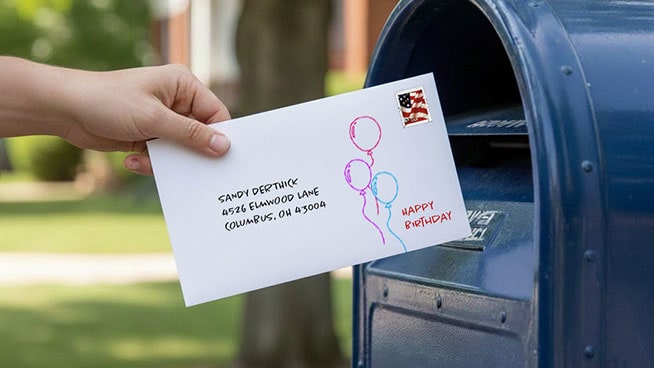
Fraudsters can steal checks from mailboxes or ones not properly destroyed after being deposited. They can then use chemicals to erase and rewrite the checks to themselves or may use your personal information, like name, address or account number, to sell your info or create counterfeit checks.
“I dropped a check in the mail and it set off a chain of events”
How it can happen
I’ve always written checks and dropped them into the blue mailbox on the corner. I thought it was safe.
But one morning, my life was turned upside down. A bill that I knew I’d paid showed up as overdue. I checked my bank account and my heart skipped a beat. The check I’d mailed had been cashed for a much higher amount. Apparently, scammers had erased it and rewritten it for thousands more in their own name.
My bill wasn’t paid and to make matters worse, scammers drained my account by cashing fake checks they’d created. They also used my check to steal my identity and had opened accounts in my name.
I wish I’d known
- Use Chase Online℠ Bill Pay to securely pay bills without sharing account details.
- Stolen checks can be washed, rewritten and replicated within hours.
- Mail theft from blue boxes is far more common than people realize.
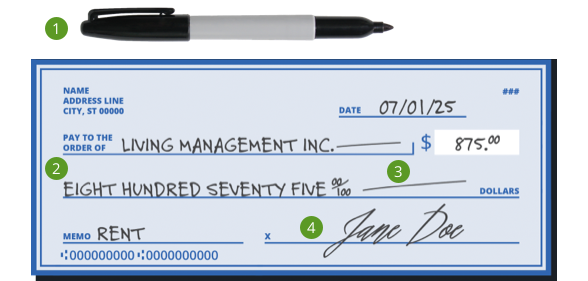
If you need to write checks, follow these tips
- Use permanent ink so it’s harder to erase.
- Don’t leave empty space before the payee or dollar amount.
- Draw a line through the extra spaces.
- Sign the same way every time.
“I received a check for more than I expected”
How it can happen
I posted a piece of my old jewelry for sale on a social media marketplace for $300. A woman responded saying how much she loved it. She asked that I hold it for her while she sent a check. When the check arrived, it was for $500, not the $300 we had discussed.
When I reached out to her, she said it was a mistake. Her husband had written it for the wrong amount. She said to go ahead and deposit it and I could simply send her the extra $200 back with Zelle® and then mail her the jewelry. It was a simple fix.
A few weeks later, the $500 check deposit was reversed. When I called my bank, I was told the check had been reversed because it was counterfeit. In the end, I was out the $500 from the check, the $200 I sent her back and my jewelry was gone. It was all a scam.
I wish I’d known
- Watch out for overpayments, as they are a red flag and should trigger immediate suspicion.
- The funds from a deposited check may show as available before the check has cleared. The amount of the check can be reversed if it’s found to be counterfeit.
- Treat checks, Zelle®, wires, cashier’s checks, account-to-account transfers, gift cards and crypto like cash. Once scammers get the money, you probably won’t get it back.
- Watch out for scammers lurking on social media marketplaces as both buyers and sellers.
Explore the Chase Security Center


Help safeguard seniors
Information, resources and tools for older adults and caregivers.

Students/young adults
Guidance for teens, students and parents.

Protect your business
Resources and tools to help protect your business from fraud and scams.


We’re here to help
When in doubt, contact us before you share your account information or send money. Call us using the number on the back of your card or account statement, or visit a branch location.
Social media shopping scams: When that ad or listing isn’t what it seems
Too-good-to-be-true deals are hiding in your feed: fake ads and listings in social media marketplaces and groups are designed to win your trust then rush you into sending money to secure your deal.