Buy a home with unpermitted work: What you need to know

Quick insights
- A home with unpermitted work may be worth buying, but potential problems include denied homeowner’s insurance, failed inspections, financing hurdles and essential repairs.
- Reviewing permit records and completing a thorough home inspection may help uncover potential problems that aren’t visible during a walk-through.
- Understanding the scope of unpermitted work before closing on a home purchase can help you make an informed choice and may avoid unexpected surprises later.
If you’ve found a home you love, but you learned that some updates were done without permits, excitement could turn into uncertainty. Unpermitted work can have various impacts, from insurance to resale value, and you probably want to know what you’re getting into. Unpermitted work doesn’t have to be a dealbreaker when you’re preparing to buy. However, it’s a good idea to learn the risks and know what to investigate before moving forward in the homebuying process.
What is unpermitted work?
Unpermitted work refers to construction, remodeling or home improvements completed without obtaining permits required by the local building department. These permits are usually required because they help ensure that projects meet local building codes and safety standards. Whether or not work on a property requires a permit depends on where the property is located. In general, permits may be required for any structural changes, electrical work, plumbing modifications, HVAC installations and room additions.
Risks of buying a home with unpermitted work
A home with unpermitted work may come with potential benefits, such as additional usable space. However, finding unpermitted work could present challenges that first-time homebuyers and experienced ones should evaluate.
Potential safety concerns
Permits often trigger home inspections to verify that the work complies with local building codes. Without those inspections, there may be uncertainty about whether electrical systems, plumbing, structural changes or other modifications were completed safely.
Unexpected repair costs
Local authorities may determine that work was completed without required permits (or doesn’t meet current code). If so, the property owner may need to pursue after-the‑fact permits, inspections, repairs or, in some cases, removal—requirements vary by jurisdiction and scope of work.
Financing and appraisal issues
Some mortgage lenders may have concerns about significant unpermitted additions or alterations, which could affect the financing. Depending on the situation, this could affect the home appraisal process or raise questions about the value of the property.
Insurance complications
Insurance companies may review a property's condition and history when processing claims. In certain situations, unpermitted work could possibly create complications if damage is linked to those modifications.
Common unpermitted additions
Some renovations are more likely than others to be completed without permits. Common examples include:
- Garage conversions: A garage may be converted into a bedroom, office or living space without obtaining approval for the change in use.
- Finished basements: Homeowners sometimes finish basements to create additional living space without securing permits for electrical, plumbing or structural work. That’s why it’s important to find the right home improvement contractors when planning your home renovation.
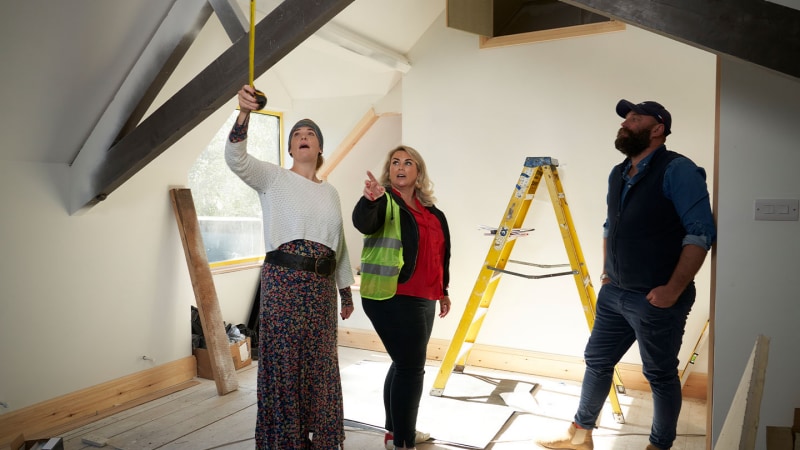
- Attic conversions: An attic may be transformed into a bedroom or recreational area without meeting local requirements for occupancy and safety.
- Additional bedrooms: Creating a new bedroom often involves modifications that may require permits, particularly if walls, windows or electrical systems are altered.
- Bathroom additions: Installing a new bathroom may require permits because of the plumbing, electrical and ventilation work involved.
- Decks and patios: Outdoor living spaces sometimes are built without permits, particularly when homeowners underestimate local requirements.
- Home office additions: Converting existing space or expanding a home to create an office may involve structural or electrical changes that require approval.
- Electrical upgrades: New wiring, electrical panels or added circuits often require permits to help verify the work meets safety standards.
- HVAC installations: New heating, cooling or ventilation systems may require permits to help ensure proper installation and code compliance.
How to identify unpermitted work
Unpermitted work isn’t always obvious, especially for first-time homebuyers. However, there are many ways to investigate before closing on a property.
- Compare the layout of the home to public records. Property records may show the official square footage of the home, number of bedrooms and other details. If the home’s current layout differs substantially from public records, it may be worth asking additional questions.
- Review permit history. Many local governments maintain permit databases that allow prospective homebuyers to review a property’s permit history. Missing permits for major renovations could indicate further investigation is needed.
- Pay attention during the home inspection. A home inspector may notice signs of modifications or workmanship concerns that warrant a closer look. While inspectors generally don’t verify permit status, they may identify areas that deserve further review.
- Contact the local building department. Local building officials may be able to confirm permit history and explain whether permits would have been required for certain renovations.
What to do if you discover unpermitted work after buying a home
Finding unpermitted work after closing can feel stressful, but there may be steps you can take to better understand the situation and explore potential solutions.
Step 1: Gather any available records
Collect inspection reports, seller disclosures, contractor information and any renovation-related documents you received during the purchase process. These documents can help you better understand what changes were made and when.
Step 2: Identify what was modified
Determine whether the unpermitted work involves structural, electrical, plumbing or mechanical systems. Understanding the scope of the work can help you assess potential risks and next steps.
Step 3: Contact your local building department
Reach out to local officials to understand permit requirements and possible next steps. They may be able to explain whether retroactive permits or inspections are available. (A retroactive permit is a regular building permit, just issued for work that’s already been completed without prior approval.)
Step 4: Schedule a professional evaluation
Consider hiring a licensed contractor, engineer or inspector to assess the quality and safety of the work. A professional opinion may help identify problems that aren’t immediately visible during the initial walk-through.
Step 5: Address any required corrections
Complete any repairs, upgrades or inspections that may be needed to meet local code requirements. These specific requirements will vary based on the type of work and local regulations.
Step 6: Keep records of any updates
Save documentation of inspections, permits and completed repairs for future reference or resale. Having organized records may help answer questions from future homebuyers or mortgage lenders.
Should you buy a home with unpermitted work?
Buying a home with unpermitted work may require additional due diligence before moving forward confidently. Factors like the scope of work, its condition and any potential costs to address permit-related issues may influence your decision. Reviewing permit records, obtaining a thorough home inspection and consulting qualified professionals may help you determine whether the home is still a good fit for your needs and budget.
In summary
Buying a home with unpermitted work isn’t automatically a reason to walk away from a property. However, it may require additional due diligence to understand the potential risks, costs and implications. For first-time homebuyers, reviewing permit records, asking questions and consulting with qualified professionals can provide valuable insight before making a major decision. Investigating unpermitted work may help you better evaluate whether buying the property aligns with your budget, comfort level and homeownership goals.