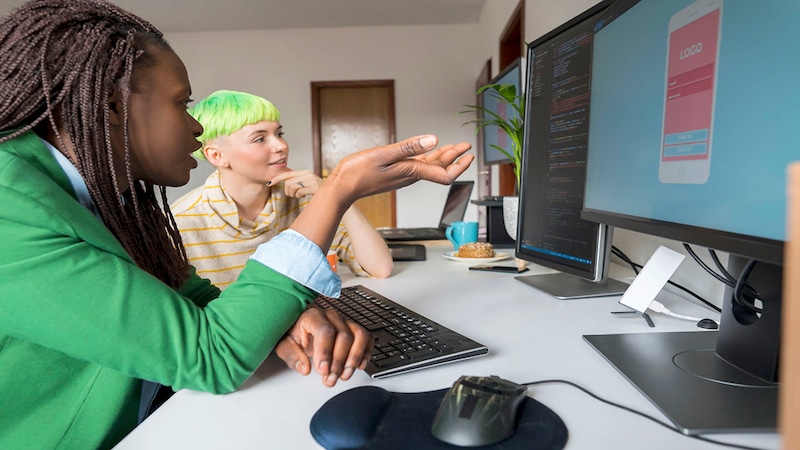
How to hire a web designer for your business

Quick insights
- Hiring a web designer may help your business build a professional online presence to attract customers.
- Knowing what skills to look for could help you find the right fit for your project and budget.
- Exploring different ways to find talent may help you make a more informed hiring decision.
Maybe your business website looks outdated or doesn't work well on mobile devices. Perhaps you're launching a new business and need a website from scratch. A web designer creates the visual layout and user experience of a website, from color schemes and typography to navigation and page structure. When you're hiring employees for your business, finding the right web designer may help you create a website that reflects your brand.
When you might hire a web designer for your business
Knowing when to bring in a web designer may help you plan your budget and timeline. If you're starting a new business, a designer could help you build a website from the ground up, creating a layout that works on both desktop and mobile devices and establishing a visual identity that aligns with your brand.
An outdated website might also signal that it's time for a refresh. If your current site is challenging to navigate or doesn't reflect your business today, a designer could help you attract and retain customers. You might also consider hiring a designer to improve your website's visibility in search results. Some designers have knowledge of search engine optimization (SEO), which may help your website appear higher in search results.
Some skills to look for in a web designer
When evaluating candidates, knowing what skills to look for may help you find someone who fits your needs. A well-qualified web designer may have a mix of design, technical and communication skills.
- Visual design skills: A designer with a good eye for color, typography and layout may stand out. Their portfolio might show a range of styles and visually appealing pages.
- Technical knowledge: Familiarity with HTML, CSS and JavaScript may help a designer create layouts that developers can build. Some may also have experience with content management systems.
- User experience focus: A designer who understands user experience, or UX, may create websites that visitors can navigate without frustration.
- Responsive design skills: A designer who can create layouts that work well on different screen sizes, from phones to desktop computers, might be a good fit.
- Communication skills: A designer who can explain their choices and listen to feedback may make the collaboration smoother.
Reviewing a designer's body of work is one way to evaluate their skills. Examples that match the style and complexity you need may give you an understanding of their capabilities.
Where you might find a web designer
There are several ways to find a web designer, and the right choice may depend on your budget, timeline and project scope.
Working with staffing agencies
Staffing agencies specialize in matching businesses with qualified candidates. They may handle much of the screening process, which could save you time. If you're also looking to hire a part-time employee or fill other roles, a staffing agency might help with multiple hires at once.
Exploring freelance platforms
Freelance platforms connect businesses with independent designers who work on a project basis. These platforms may let you browse examples of their work, compare rates and read reviews from other clients. The quality of work may vary, so reviewing past projects and checking references could help you find a reliable designer.
What hiring a web designer may cost your small business
The cost of hiring a web designer may vary based on several factors. Experience level plays a role—a designer with more experience might charge more but may also bring more knowledge to your project. The scope matters, too. A basic website with a few pages may cost less than a complex site with custom features.
The type of engagement may also affect what you pay. Freelancers might charge by the hour or by the project. Agencies might offer a team of specialists but could charge more. When building a budget for your small business, you might also factor in ongoing costs like hosting, updates and maintenance after launch.
Some tips for hiring a web designer
A few tips may help you navigate the hiring process and find the right designer for your business.
- Reviewing portfolios carefully: Work that matches your style and needs may be a good sign. It may help to pay attention to how websites function on mobile devices, not just how they look.
- Asking about their process: A designer who can explain their approach from start to finish might be more collaborative.
- Checking references: Talking to past clients could give you a sense of what it's like to work with the designer.
- Starting with a small project: If you're unsure about a designer, you might begin with a smaller task before committing to a larger one.
- Being clear about your goals: Sharing your vision early might help reduce misunderstandings.
- Getting everything in writing: A written agreement covering scope, timeline, cost and deliverables may help protect both you and the designer.
After you hire a designer, you might also consider employee onboarding costs if you're bringing them on as a staff member.
In conclusion
Hiring a web designer may help your business create a professional, user-friendly website that attracts and retains customers. Knowing when to hire, what skills to look for and where to find talent could help you make a more informed decision. Understanding the factors that affect cost may help you budget effectively. Taking the time to review portfolios, check references and communicate your goals might lead to a smoother hiring process.