How to make your house more sustainable
Quick insights
- You could reduce your energy consumption and lower your utility bill by upgrading insulation, installing energy-efficient windows and retrofitting HVAC systems.
- Practicing water conservation through methods, like low-flow fixtures and harvesting rainwater, can help conserve water and reduce overall usage.
- For renovations, homeowners may consider sustainable materials, such as recycled or eco-friendly flooring, as part of a more environmentally conscious design.
Homeowners interested in sustainability may explore upgrades designed to use less energy, reduce waste or limit environmental impact. The results may vary based on the type of improvement, the home and how the features are used. Some homebuyers may also view eco-friendly features as desirable when comparing homes.
What is a sustainable home?
A sustainable home is a living space designed to minimize its environmental impact. It focuses on using resources efficiently and reducing waste through features and practices that are designed to lessen a home’s environmental impact. A few examples of sustainable home features and practices include energy-efficient appliances, water-saving systems, green roofs and eco-friendly materials.
Here are some potential benefits of living in a sustainable home:
- Lower energy bills: Efficient systems reduce energy and water use.
- Environmental impact: Fewer resources are wasted, and emissions are lowered.
- Healthier living environment: Many sustainable homes use non-toxic materials and have better ventilation systems, improving indoor air quality.
- Increased property value: Eco-friendly features are increasingly in demand, which could make your home more attractive and valuable if you decide to sell.
- Energy independence: Solar panels and renewable technologies reduce reliance on traditional energy sources and grids.
Key features of a sustainable home
A sustainable home includes a variety of features that work together to reduce environmental impact and improve efficiency. These features are designed to limit energy use and waste and may be appealing to homebuyers who prioritize sustainability.
Energy efficiency
Energy efficiency is central to sustainable homes. Key aspects include:
- Energy-efficient appliances: Using less power helps reduce utility bills.
- Proper insulation and sealing: Keeps the home comfortable and reduces heating/cooling needs.
- Renewable energy: Solar panels or geothermal systems reduce reliance on traditional energy sources.
- Smart technology: Thermostats and energy monitors optimize energy use.
- LED lighting: LED bulbs generally require less electricity.
Collectively, these features reduce energy consumption, lower costs and contribute to a greener and more efficient home.
Water conservation
Water conservation can be critical in making a home more sustainable. Below are some important strategies you may want to pursue:
- Efficient plumbing: Low-flow fixtures and water-efficient appliances reduce consumption.
- Rainwater harvesting and graywater recycling: Collecting rainwater and reusing graywater for irrigation conserves potable water.
- Sustainable landscaping: Use of native and drought-resistant plants could reduce water usage and support local biodiversity.
- Permeable surfaces: Driveways and walkways made of permeable materials can reduce storm water runoff.
- Efficient irrigation: Drip systems and smart controllers reduce wasteful watering.
Materials and construction
Sustainable homes focus on using eco-friendly and efficient materials:
- Locally sourced materials: Materials sourced locally reduce transportation emissions and support local economies.
- Non-toxic materials: Some paints, finishes and building materials are free of volatile organic compounds (VOCs) and other harmful chemicals.
- Sustainable and recycled materials: Using bamboo, recycled wood or low-impact materials reduces environmental harm.
- Energy-efficient building design: Homes designed with optimal orientation and insulation minimize energy use.
- Proper waste management: It’s possible to reduce construction waste through recycling and responsible disposal.
- Durable, low-maintenance materials: Choosing long-lasting materials reduces the need for repairs and replacements.
How to make your home more sustainable
Making your home more sustainable involves upgrades that improve energy efficiency and reduce waste.
Energy efficiency upgrades
- Energy-efficient appliances: Replace old appliances with Energy-Star-rated models to save energy.
- Proper insulation and weatherization: Seal gaps and add insulation to reduce heating and cooling costs.
- Energy-saving lighting options: Switch to LED bulbs to reduce electricity use.
- Programmable thermostats and smart home technology: Use smart thermostats to control temperature on a schedule and optimize energy use.
Sustainable lifestyle choices
- Reduce waste and recycle: Cut down on single-use plastics and recycle more.
- Sustainable shopping: Buy in bulk, choose minimal packaging and support eco-friendly brands.
- Composting and gardening: Compost food scraps and grow organic plants to reduce waste.
- Eco-friendly products: Use biodegradable cleaners and personal care products to reduce chemical impact.
Water conservation practices
- Reduce water usage: Shorten showers, turn off faucets and run smaller loads in dishwashers and washing machines.
- Fix leaks and use efficient fixtures: Repair leaks and install low-flow toilets and showerheads.
- Water-wise landscaping: Choose drought-tolerant plants and use mulch to reduce watering needs.
- Rainwater harvesting and graywater recycling: Collect rainwater for outdoor use and recycle graywater for irrigation.
Making your aging house more sustainable
Older homes can become more sustainable with a few important energy upgrades that prioritize efficiency.
Energy efficiency retrofits
- Improve insulation and sealing: Add insulation and seal gaps to reduce heat loss.
- Upgrade windows and doors: Replace old windows and doors with energy-efficient options.
- Retrofitting HVAC systems: Upgrade heating and cooling systems and add smart thermostats for better energy use.
- Regular maintenance and audits: Perform energy audits and maintain systems for optimal performance.
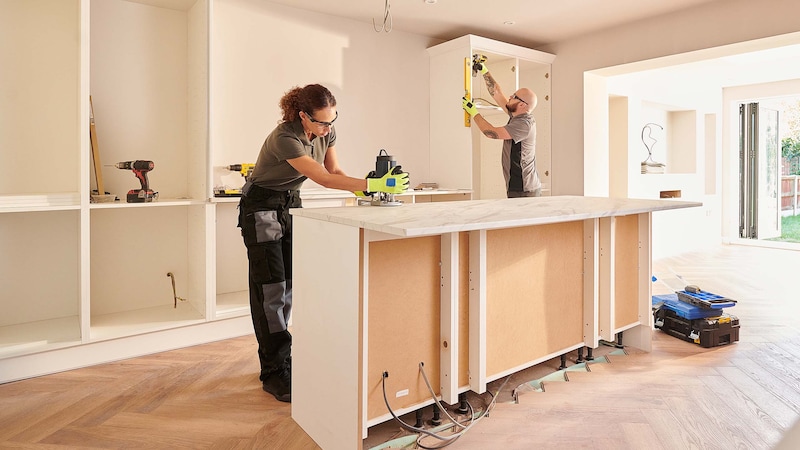
Sustainable renovation ideas
When renovating or remodeling your home, consider these eco-friendly approaches to reduce environmental impact:
- Energy-efficient lighting and appliances: Install LED lights and Energy Star-rated appliances to lower energy consumption.
- Eco-friendly flooring and finishes: Choose sustainable flooring options like cork, bamboo or reclaimed wood, and use low-VOC paints and finishes for a healthier environment.
In summary
Making your home more sustainable may help reduce its environmental impact while supporting long-term energy efficiency goals. Depending on the improvements you choose, you may also want to explore federal, state or local programs that could help offset certain project costs. Because available programs and eligibility requirements can change, consider checking with the appropriate government agency or consulting a qualified tax professional for current information. Ultimately, the right upgrades depend on your home, budget and priorities.