What credit score is needed for appliance financing?

Quick insights
- Appliance financing allows you to pay for major household items over time instead of all at once.
- Lenders typically review your credit profile to determine your eligibility and the terms they might offer.
- There are multiple ways to finance appliances, including options that don't require a hard credit check.
Replacing a broken refrigerator or upgrading a washer may be a major household investment. If you don't have the cash upfront, you might wonder what credit score is needed to finance your new appliance. Let's explore some of your options and how your credit history might play a role.
What is appliance financing?
Appliance financing is a way to borrow money to pay for large household items like refrigerators, ovens and washing machines. Instead of paying the full price upfront, financing includes an agreement to make monthly payments over a set period.
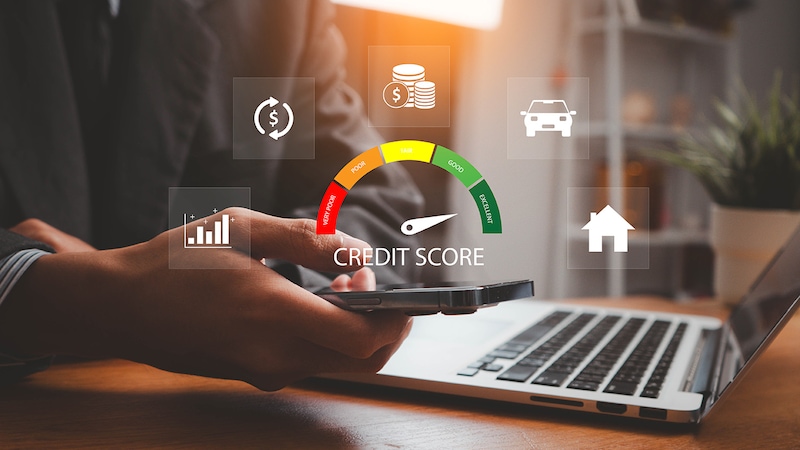
When you apply for financing, lenders typically perform a hard credit check. This allows them to review your credit report and credit score. A credit score is a number that helps assess your creditworthiness and is one of several factors lenders may consider when making a lending decision.
What credit score do you need to finance appliances?
There isn't a single credit score required to finance appliances. Different lenders and financing companies have their own requirements. People with a wide range of credit profiles may be eligible to apply for various financing options.
Lenders may use scoring models like VantageScore® and FICO® to evaluate your credit history. These models categorize scores into tiers. While a higher score could potentially help you secure a lower annual percentage rate (APR), there are typically options designed for many different financial situations.
Possible options to finance appliances
If you're looking to finance a new appliance, you may have several options. Each option can have potential benefits and drawbacks depending on your personal situation.
- In-store financing: Many major retailers offer their own store credit cards or financing plans. These might come with promotional periods offering special terms for a limited time.
- Personal loans: A personal loan provides a lump sum of money that you generally repay in fixed monthly installments.
- Credit cards: You may be able to use a credit card with a low introductory APR to pay for an appliance. Your credit card might also offer rewards or extended warranty protection.
- Buy now, pay later (BNPL): These services allow you to split your purchase into smaller installments, often over a few weeks or months. Some credit cards may offer a BNPL feature on eligible transactions.
No credit check appliance financing
If you're rebuilding your credit or have a limited credit history, you might be interested in no credit check appliance financing. These options typically don't require a hard credit check, which is an inquiry that may affect your score.
- Lease-to-own programs: These programs allow you to rent the appliance with the option to own it after making a certain number of payments. While often more accessible, they can sometimes cost more over time than traditional financing.
- Rent-to-own stores: Similar to lease-to-own, these stores may let you take the appliance home with weekly or monthly payments. Reviewing the total cost of ownership before signing an agreement may help you determine if this option is right for you.
How to check your credit score
Before you apply for appliance financing, it may be helpful to know where your credit stands. Checking your own credit is usually considered a soft credit check, which generally doesn't impact your credit score.
One way to check your score is with Chase Credit Journey®. This free online tool is available for anyone 18 or older with a valid U.S. address and Social Security number (SSN), offering access to your credit score and personalized score improvement plans provided by Experian™—no Chase account required.
In summary
Replacing a major appliance may be a significant purchase, and there may be financing options available. Whether you lean toward a personal loan, a lease-to-own program or another option, repayment terms may vary. Taking the time to check your credit and compare choices may help you with your purchase.