Business travel guide to NYC

Quick insights
- Planning ahead for flights, accommodations and meeting spaces may help business travelers better navigate the hustle and bustle of New York City.
- Most travelers will fly into one of NYC’s three main airports: JFK, LaGuardia or Newark Airport.
- Depending on your industry, some common business travel districts in NYC include Midtown, the Financial District, Chelsea and Hudson Yards.
NYC draws millions of business travelers every year, given that it is the headquarters for many Fortune 500 companies and home to world financial markets. But a work trip to New York can feel like a balancing act—navigating crowds, rushing between meetings and seizing those rare windows for networking, all in a city that never slows down.
Having a strategy before you go could help you make the most of your time, energy and resources. This guide will cover planning for your trip as well as making the most of your time in The Big Apple.
Getting to and around NYC as a business traveler
There are three major airport options for flying into the greater New York area:
- John F. Kennedy International Airport (JFK): JFK is New York City’s primary international airport. It’s located in Queens, about 16 miles southeast of Midtown Manhattan.
- LaGuardia Airport (LGA): LaGuardia is roughly 10 miles from downtown Manhattan, located off the Grand Central Parkway and on the East River.
- Newark Airport (EWR): EWR is located 4.5 miles from downtown Newark, NJ.
From the airports, there are various transportation options. JFK and Newark offer AirTrain service connecting to subway or commuter trains, but shuttles or rideshares may be preferred if you’re carrying heavy luggage. You may want to factor in extra time getting from the airport to your destination as travel times between JFK and Midtown or from LaGuardia to areas outside Manhattan can vary widely.
Moving from one end of Manhattan to another can be fast or frustrating, depending on timing and your mode of travel. Common NYC transit options include:
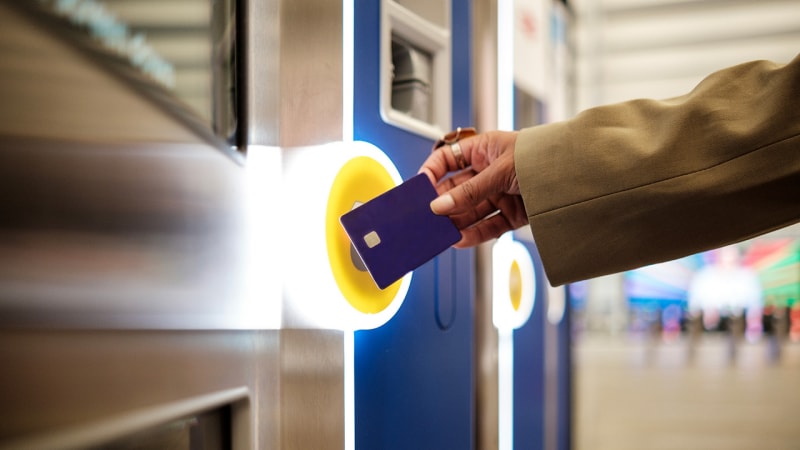
- Public transit: The subway is generally a fast and reliable way to navigate the city, especially during peak hours when traffic jams abound. Many trains operate 24/7 service and accept contactless payment options.
- Private cars: Taxis and rideshares provide door-to-door convenience but can stall in Midtown and Downtown gridlock. For important meetings, you may want to consider an advance reservation for a better chance of timely arrival.
- Walking: Depending on your destinations, there may be times where walking is quicker than taking public transit or hailing a ride.
Where to stay in NYC for business
Your choice of accommodations can shape your NYC experience. It is likely that the purpose of your trip and the places you’ll be visiting and working from may help determine where you stay.
Common business-friendly neighborhoods in the city include:
- Midtown: Midtown Manhattan is close to offices, conference centers, major transit and a range of hotels.
- Financial District: The Financial District in Lower Manhattan puts you close to Wall Street, the World Trade Center and views of the Statue of Liberty.
- Chelsea: Chelsea may provide a creative, less frantic vibe along with quick access to Penn Station and a variety of dining options.
- Hudson Yards: Hudson Yards is a newer business district that is home to several technology hub headquarters. It is also home to many upscale dining options, the High Line elevated park and a range of hotels with modern amenities.
When looking for places to stay, you may want to consider factors like Wi-Fi reliability, flexible cancellation, neighborhood safety and business amenities.
Getting work done while in NYC
Finding space to work and network in NYC may take some planning. Reserving coworking spaces, meeting rooms and business-friendly restaurants in advance can help you secure a space to work ahead of your arrival. Top coworking chains and boutique office lounges are often fully booked during peak months.
Some working spaces you may consider include:
- Hotel suites or conference rooms with desks and Wi-Fi
- Coworking spaces that allow you to rent a desk by the day or hour
- Business-friendly cafes
- New York public libraries (which typically offer a quiet space to work and complimentary Wi-Fi)
But business travel in New York doesn't have to be only about meetings and work. Intentionally building time for casual networking may make your trip both productive and memorable. Local colleagues may be the best source for restaurant or neighborhood picks that make an authentic impression.
What to pack for a business trip in NYC
Packing for New York business travel may mean combining professionalism with flexibility. You’ll likely want professional attire for work, but it may also be helpful to consider comfortable shoes for navigating the city streets.
The time of year can also dictate what you pack. In winter, a warm coat, scarf, gloves and water-resistant shoes may come in handy. Whereas summer may call for lighter layers and breathable fabrics. Because NYC weather can change quickly, it is often helpful to have layers that you can add or remove as needed.
For your technology needs, you may want to pack the following:
- Laptop or tablet for working and staying connected
- Chargers for all your devices and a portable power bank for on-the-go charging
- Adapters, if traveling internationally
- Headphones
- Portable Wi-Fi hotspot
You may also want to consider bringing hand sanitizer, a small first aid kit, a travel size umbrella and a reusable water bottle for your health and comfort while traveling.
NYC business travel: dos and don’ts
NYC has a culture and vibe all of its own. As you navigate the city, here are a few things you may want to keep in mind:
Dos
- Plan your commute: NYC's traffic can be unpredictable, so it can help to factor in extra time.
- Be punctual (or early): New Yorkers typically value timeliness, so you may want to arrive 10-15 minutes early for meetings and work events.
- Embrace the pace: NYC moves fast. It can be helpful to be prepared for quick conversations, efficient meetings and a generally brisk pace.
- Take advantage of networking opportunities: NYC is a hub for many industries. If there are relevant industry events or meetups during your visit, you may want to consider attending them.
- Have a game plan for meals: Booking dinner reservations in advance, especially for business dinners, is usually recommended. For lunch, scouting options near your meeting locations beforehand can help save time.
- Stay aware of your surroundings: Being mindful of your belongings, especially in crowded areas or on public transport, is generally a best practice for navigating most cities.
Don'ts
- Block sidewalks or entrances: New York is a large city with lots of locals and travelers trying to reach their next destination. It can be courteous to walk on the right side and step to the side if you need to check your phone, look at a map or chat.
- Hail a cab during rush hour: Finding an empty cab can be difficult during peak times, and ride-sharing services may enable surge pricing. Walking or taking the subway can be a better option during rush hour.
- Over-schedule yourself: Between travel time, meetings and potential networking, you may want to leave some breathing room—either to relax or see the sights.
- Skip local food: NYC has an incredible culinary scene. Limiting yourself to chain restaurants may mean that you could miss out on diverse and delicious local options.
- Forget to bring cash: Some restaurants (especially in tourist areas) are cash-only. Cash can also be useful for tipping in restaurants and hotels.
In summary
When heading to NYC for business, a little bit of planning and preparation can help you stick to your schedule. If you’re flying in, you'll likely land at JFK, LaGuardia or Newark Airport. Once in the city, taking the subway or walking may provide an efficient alternative to taxis and ride-share services at peak times or in busy areas.
Picking the right neighborhood for your stay and booking workspaces beforehand can help you find a balance between work and downtime. You may want to pack versatile, professional outfits, comfortable walking shoes and tech essentials like chargers and a Wi-Fi hotspot. While in NYC, it can help to embrace the city's fast pace and be on time to make the most of your time in the Big Apple.