Ways to help protect your contactless credit cards from skimming

Quick insights
- Looking for signs of tampering on card readers may help reduce your exposure to credit card skimming at gas pumps and ATMs.
- Contactless payments and digital wallets may offer added layers of protection compared to swiping your card.
- Contacting your card issuer promptly after noticing suspicious charges may help you stop additional unauthorized charges and start an investigation.
You're filling up at a gas station and reach for the card reader at the pump. Something about it catches your eye. Maybe the slot looks slightly different than the one next to it, or a piece feels loose when you give it a gentle tug. That small moment of attention might be your first line of defense.
Sometimes skimmers can be hard to spot, but if a card reader looks tampered with or feels loose, you might consider using a different terminal or paying inside. Here, we'll go over potential steps to help reduce your exposure and what to think about if something seems off.
What risks exist with contactless cards?
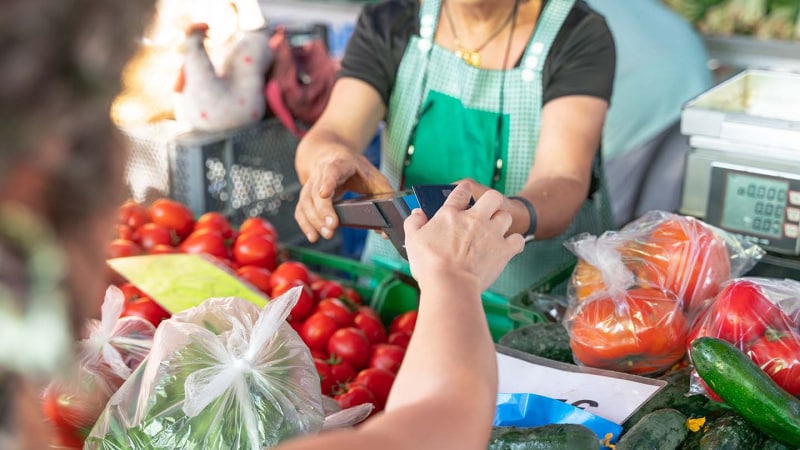
Contactless credit cards use near-field communication (NFC) to transmit payment data when you tap or hold your card near a terminal. Each transaction generates a one-time code, which can make traditional skimming more difficult.
That said, contactless cards aren't immune to every form of theft. If a physical card is lost or stolen, someone could potentially use it for small purchases before you report it missing.
It's sometimes suggested that someone could try to ‘read’ a contactless card at very close range. In practice, contactless payments are designed with short-range limits and EMV protections, and any data they might capture would typically not be enough to make a valid contactless purchase.
Spotting signs of a compromised card reader
Even if you primarily use contactless payments, there may be times when you need to swipe your card. Knowing what to look for may help you spot a device that doesn't belong.
- Looking for anything out of place: A card reader that appears loose, unusually large or misaligned could be a sign that a skimmer has been attached. Comparing it with a nearby reader might reveal differences.
- Checking security seals: Some gas pumps use security seals over the panel where the card slot sits. If a seal is broken or looks tampered with, it could indicate that someone installed a device inside.
- Trusting your instincts: If something about a reader feels off, whether it's the texture, the fit or the way your card moves through it, you might consider using a different terminal or paying inside instead.
These quick checks aren't foolproof, but they may help you notice signs of tampering before you use your card.
Habits that may help reduce skimming risk
A few everyday habits may add layers of protection when you're paying with your credit card. None of these steps can guarantee your card won't be compromised, but they may help reduce the chances.
- Paying inside when possible: Card readers inside a gas station or store are generally less accessible to criminals than outdoor pumps or unattended kiosks.
- Setting up account alerts: Many card issuers offer transaction alerts that notify you of purchases above a certain amount or charges made in unusual locations.
- Reviewing your statements regularly: Regularly checking your account for suspicious charges may help you catch unfamiliar activity early.
Choosing where and how you pay
The way you pay and where you pay can both influence your exposure to skimming. Loading your card into a digital wallet may offer added protections because it typically requires device authentication (such as Face ID, Touch ID or a passcode) before a payment goes through. Requirements can vary by wallet, device settings and transaction.
When tapping isn't an option, using a chip card instead of swiping the magnetic stripe may reduce risk, since chip transactions generate a unique code for each purchase. Exploring your credit card safety features may help you understand what protections are available.
Where you pay can matter, too. Gas pumps and unattended outdoor kiosks tend to be more vulnerable because they're less monitored. If you're able to pay inside a store, the readers there may be less likely to have been tampered with.
Things you might consider if you suspect your card was skimmed
If you notice charges you don't recognize or your card goes missing, acting quickly may help limit potential damage. Here are a few steps you may consider:
- Contacting your card issuer: Reaching out to the number on the back of your card as soon as possible may allow your issuer to block/cancel the card, issue a replacement and advise next steps.
- Reviewing recent transactions: Checking your account for other unfamiliar charges may help you and your issuer identify the full scope of the issue.
- Reporting suspicious activity: Filing a report with your card issuer and, if appropriate, with the Federal Trade Commission may support your case. You can learn more about reporting credit card fraud through your issuer's official channels.
In summary
No single step can fully eliminate the risk of credit card skimming, but a combination of mindful habits may help reduce your exposure. Tapping your contactless credit card instead of swiping, paying inside when you can, checking readers for signs of tampering and monitoring your accounts regularly are all practices that may be worth considering.