
Charging and Range
Go farther, worry less.
That low-battery alert can be stressful in any car. With electric vehicles (EVs), though, most drivers start the day with a full charge at home, and the public charging network is expanding every year. We’re here to help you feel confident with practical tips for home charging and smart planning for longer trips, including how to find and use public charging stations across the country.

How to charge an electric car
There are three types of EV charging levels: Level 1, Level 2 and Level 3.
Level 1 charging
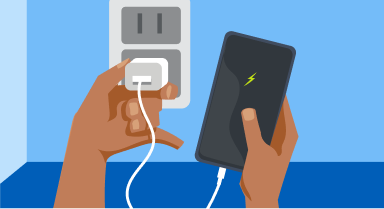
Uses a 120-volt outlet—the same kind of outlet you use to plug in lamps, cell phones and blenders. This type of charging is the most accessible because the outlets are so common, but they’re also the slowest. EVs using Level 1 charging receive about 2-5 miles of charge per 1 hour of charging time.

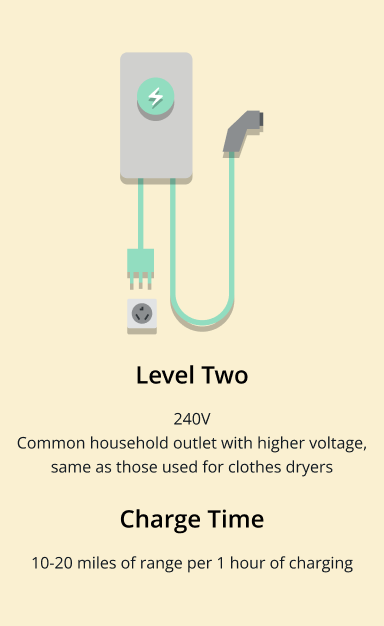
Level 2 charging
Uses a 240-volt outlet—the same kind clothes dryers use. This type of charging is much faster, receiving 10-20 miles of charge per 1 hour of charging time.This type of charging is most commonly used at the driver’s home, where they can hire an electrician to set up the 240-volt outlet.
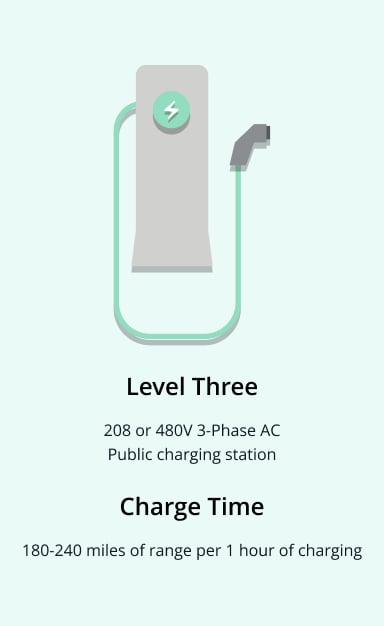
Level 3 charging
Sometimes called DC charging or fast charging, Level 3 charging is more like a public gas station. This type of charging delivers the fastest and most powerful charge for drivers on the go and far from their home chargers, but it is also more expensive to build. The vast majority of Level 3 chargers are found at public charging stations, rather than private residences. Electric vehicles equipped for fast charging can receive an 80% charge in about 20 minutes.
How to charge an electric vehicle at home
If you’re interested in buying an electric vehicle, you probably have some questions about how to charge it at your home. Most drivers choose to install a home charging station in their garage or near their parking space to facilitate a Level 2 charge, which is much faster than charging on a standard household outlet.
What you need to know about charging on the road
EVs can take you anywhere, thanks to a growing network of public charging stations across the country. Much like fueling up at the gas pump, these stations allow EV drivers to journey beyond one charge.
Electric vehicle charging at Chase branches
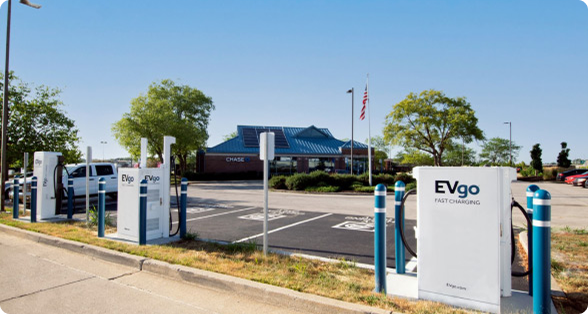
Chase provides Level 3 fast chargers at several branch locations across the U.S., offering EV drivers access to 100kW and 350kW chargers that can charge electric vehicles as much as 80% in 15-45 minutes.
To learn more about JPMorgan Chase’s firm-wide commitment to sustainable development, explore our Environmental, Social and Governance page.
Installing an electric vehicle charging station at home
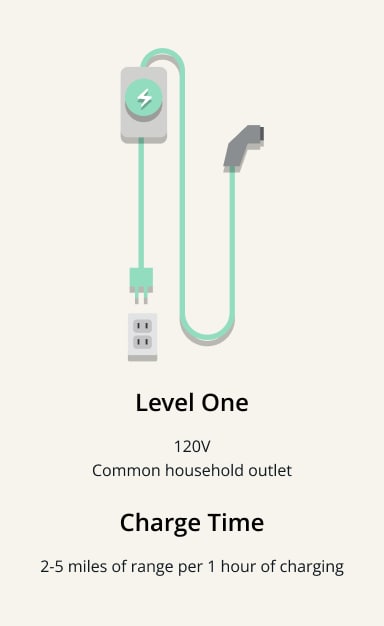
“Charging station” is a commonly used term for the equipment used to charge electric vehicles and plug-in hybrid electric vehicles. The “station” simply includes the cord and a user-friendly dock to keep the cord clean and organized.
Similar to cell phones, the cords differ by manufacturer. Some EV models require a brand-specific charger that comes from the manufacturer, but others can be purchased from a range of home improvement stores and online retailers. Be sure to consider cord length, warranty options, and your car’s specific needs when shopping for a charging station.
Part of building a new charging station is adding the correct voltage outlet. Home charging stations work best with a 240-volt outlet rather than a standard electrical outlet. While these outlets are common, most EV drivers hire a professional electrician to install one near their parking location.
According to HomeGuideOpens overlay, the cost of a Level 2 home charging station installation ranges from $750 to $2,600, which includes the Level 2 charger, 240-volt outlet, wiring, and wall mounting. More extensive installations that require significant wiring or upgrading the electrical panel could cost between $2,000 and $5,000. In some areas, there may be a government incentive available to cover a portion of these costs. Find out more using this incentive look-up toolOpens overlay.
Tips for charging EVs at home
1
If parking outdoors, be sure your charging equipment is all rated for outdoor use.
2
If charging at a multi-family residential complexOpens overlay, be sure to speak to your building management about additional considerations.
3
As with any electrical work, you may be required to obtain permits from your local building authorities.