
Driving the transition to electric vehicles
Car manufacturers are coming out with a range of fully electric and hybrid electric models every year. We know these new vehicles present new and different questions for car buyers, and Chase Auto is here to help you navigate the quickly accelerating world of electric driving. Explore the latest tools and information to make the transition to an electric vehicle.
Types of electric vehicles
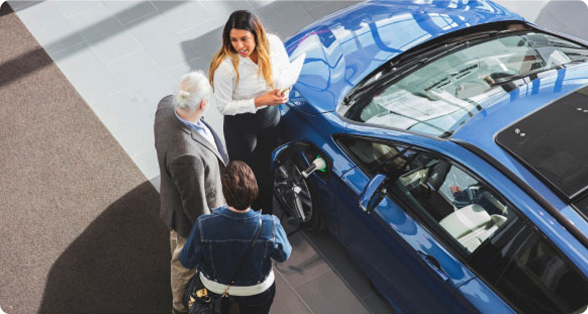
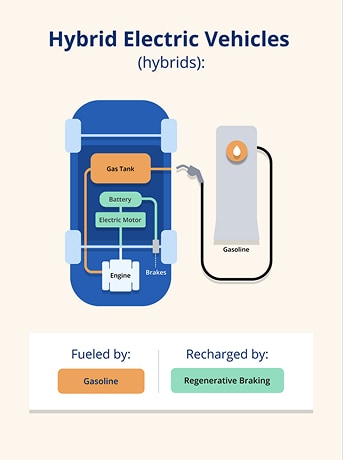
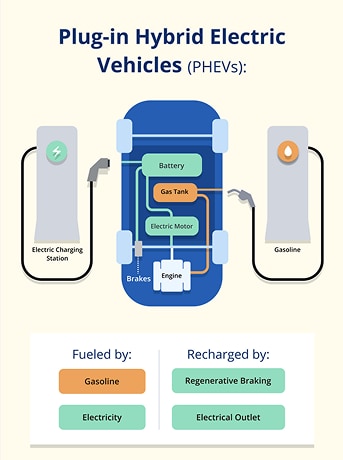
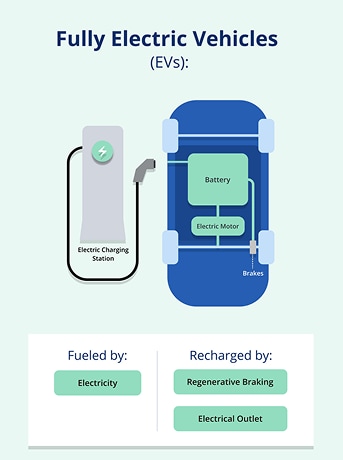
There are three types of car technologies that use the word “electric” – hybrid electric, plug-in hybrid electric and fully electric. These vehicles provide a range of options for consumers.
EV tools & resources


Journey beyond one charge with a growing network of public charging stations.

The latest on EVs and PHEVs from Chase Auto
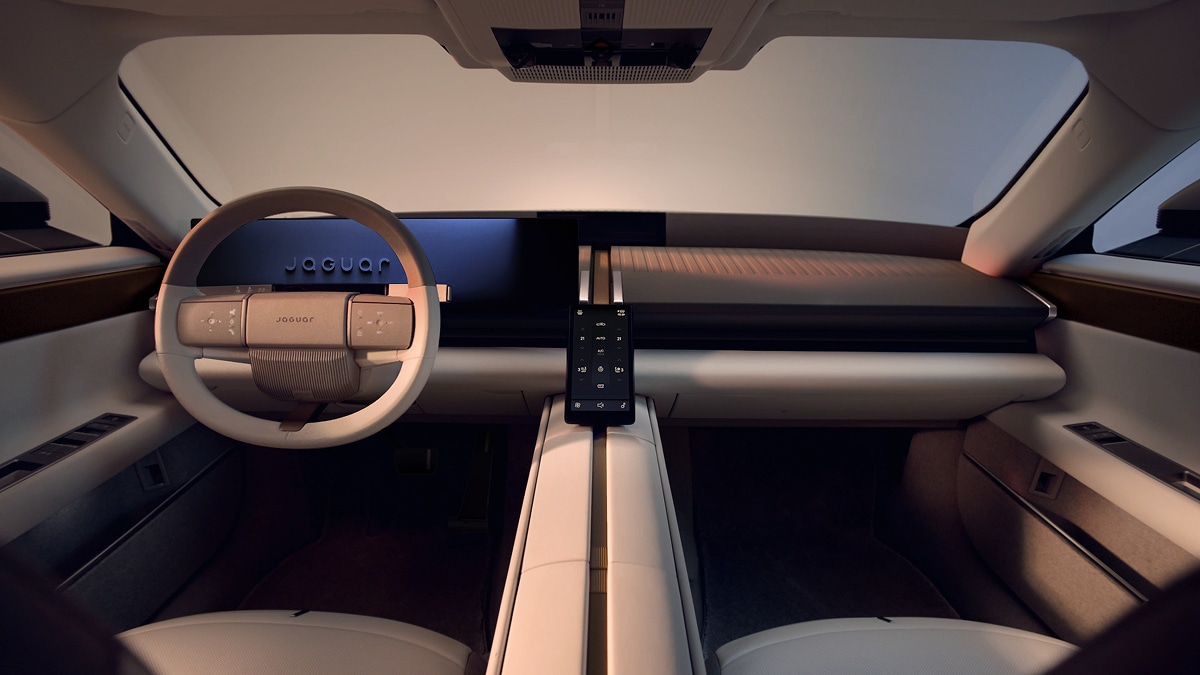
Step Inside the new era of Jaguar
The Type 01 is the first production car to follow Jaguar's new creative philosophy. With Type 01, every journey will be an occasion, from how it drives to how it looks and how it makes you feel. With a confidence‑inspiring GT driving position, clean and sophisticated technology and dramatic styling, Type 01 is like no other. Proven on-track electric propulsion combines with the unique proportions and low center of gravity for a luxurious Grand Tourer. True to the spirit of Jaguar, Type 01 is as captivating to drive as it is to look at. Our holistic design philosophy translates the vehicle’s exterior presence into a distinctive interior architecture. With authentic materials, technology on demand and reductive flowing surfaces, Type 01 presents unmistakable drama and theatre that will define the modern luxury automotive world of the future.

Rising performance expectations shape EV market

Navigating the changing landscape of EV incentives in 2026
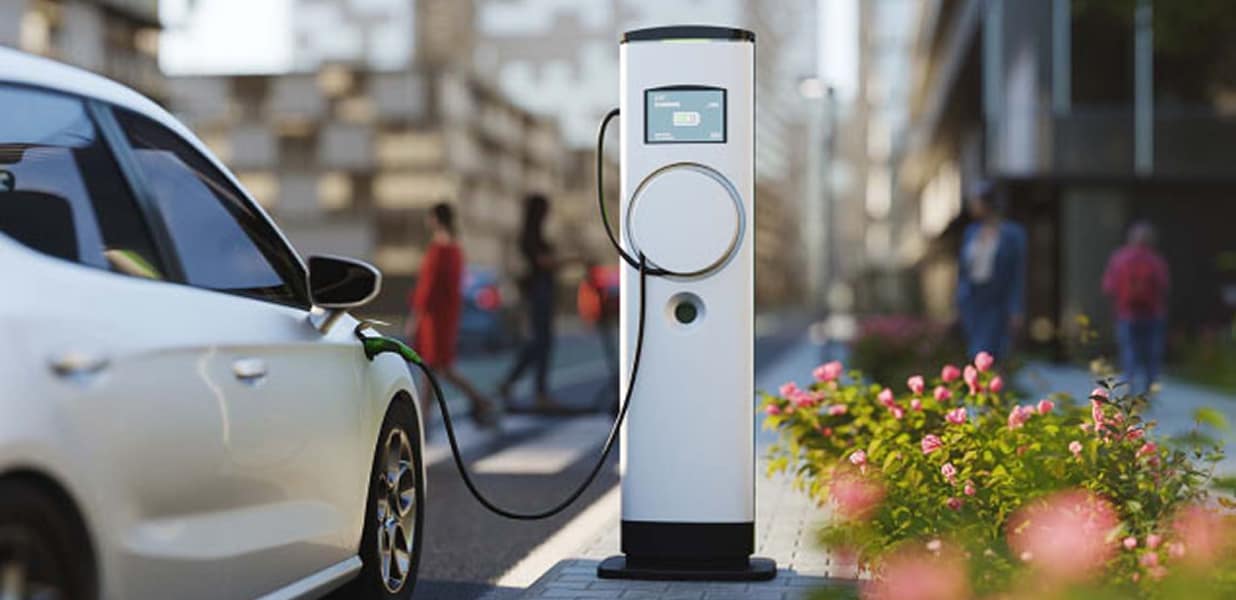
From “mild hybrids” to “super hybrids” — A guide to today’s EV landscape
Frequently Asked Questions
Range
Cost
General
Roughly half of EVs on sale in the U.S. have over 290 miles of range, and more than 8% have exceeded the 400-mile milestone. With more than 77,000 public charging stations across the United States as of March 2026, simple commuting and long-distance travel are both possible in most electric vehicles.
There are more than 77,000 public charging stations in the United States. Most are concentrated in highly populated urban areas, but there are public charging stations available in all 50 states. To find chargers when planning your next road trip, use this mapping toolOpens overlay that will show you all chargers on your route along with real-time availability.
The average range of model year 2025 EVs was over 300 miles. If you run out of power in an electric vehicle, the car will simply stop moving. The electric vehicle can be towed to the nearest charging station just like a gas-powered car is towed to a nearby gas station; however, it’s important for EV drivers to request a flatbed tow truck to avoid damaging electrical systems.
Most EV owners spend $35–$60 per month on home charging.
EV insurance costs up to $44 more per month compared to insurance for gas-powered cars.
As of February 2026, the average transaction price of a new electric vehicle was $55,300. This compares to $48,800 for the average price of a new gas-powered car purchased in the U.S.
There may be rebates and discounts offered by your state, local municipality, or local electricity provider. These may include additional rebates off the cost of the car, rebates on home charging systems, discounts on electric charging rates or perks like preferred parking or carpool lane access. Discover the savings you may be eligible for using this incentive look-up toolOpens overlay.
As of December 2025, the average cost of a kilowatt-hour of energy in the U.S. is 14.87 cents. If you drove 1,000 miles a month, the cost to fuel your EV would be between $37 and $70 depending on vehicle efficiency and charging losses.
However, the cost to charge an EV is dependent on many factors, including your location, vehicle and power source. Charging at home and charging with a public charger also have different costs.
Chase provides financing for a wide range of vehicles, including both electric vehicles (EVs) and plug-in hybrid electric vehicles (PHEVs). Financing for EVs and PHEVs can optionally include the cost of EV charging equipment for your home.
To get started, go to chase.com/auto.
The short answer is no, EVs can be charged anywhere you can find an outlet. However, for people living in multi-family housing, home charging will require additional planning.
As electric vehicles continue to become more common, it could be worthwhile to ask property managers to offer home charging options for residents driving electric vehicles. EV drivers can discuss with building management the practicality and possibility of installing shared charging equipment on building grounds. Some states and cities offer programs that will help cover the costs associated with the installation of shared charging in multi-family parking lots, and strategies such as assigned parking for EV owners can make home charging convenient and easy for residents.
Other options for EV owners without a garage include finding a supercharging station close to home, charging at a location close to work, or working with your employer to coordinate a charging station on company grounds.
EV maintenance costs are typically lower than conventional automobiles. Typical annual maintenance for mainstream EVs runs between $150–$400, compared to $900–$1,800 for a gas vehicle.
Selecting a repair shop for electric vehicle repairs depends on the make and model of the car and the nature of the issue. For standard repairs such as rotating tires, inspecting the suspension, or replacing cabin filters and wiper blades, any local shop can be of service. However, for issues relating to the EV battery or other EV technology, the vehicle should be taken to a local dealership or other qualified mechanic.
PHEVs are Plug-in Hybrid Electric Vehicles, and they have both a gas-powered engine and an electric motor that is charged by plugging it into an outlet. Some PHEVs operate on electricity until the battery is nearly empty, and then switch over to their gas-powered engine. Other PHEVs—sometimes called “blended mode” PHEVs—use gasoline and electricity simultaneously to power the vehicle while the battery has charge. Either way, PHEVs are able to run on gasoline alone, even when the electric battery is fully depleted.