Guide to Market Value of Your Home

Quick insights
- Home value can be estimated through online calculators, real estate agent comps or professional appraisals, each providing different accuracy levels.
- The key factors that typically influence value include location, market conditions, home size, the condition of the home and recent upgrades.
- Simple improvements like landscaping, modern fixtures or energy-efficient upgrades may increase a home’s appeal and market value.
A home value estimate helps determine a home’s market value. Whether buying or selling, home value estimates can help you remain competitive in the housing market.
It’s key to start off with an understanding of how you can find your home’s value. From online home value calculators to comparative market analyses and more, you’ll find there are a few ways to estimate your home’s value. There are also home improvements that can help boost its value, while other issues (if they remain unaddressed) may cause it to decline.
How to find your home value estimate
To estimate your home’s value, you can choose to use one or more of the methods below:
- Online home value calculator
- Comparative market analysis
- Hire an appraiser
Online home value calculator
Using an online tool for home appraisals, like a home value calculator, is easy and accessible. If you’re interested in doing research on your own for your home or prospective homes, a Home Value Estimator can help you get started. You enter the address of the home, then the tool provides you with an estimated value, along with a list of recent sales in the neighborhood and their values.
Comparative market analysis
A Comparative Market Analysis (CMA) is how real estate agents assess the value of a home. They also do this by evaluating other homes that have sold in the area, combined with various online calculators and other home appraisal resources. To obtain a CMA, you can contact a local real estate agent, and they’ll usually provide it to you for little to no cost.
Hire an appraiser
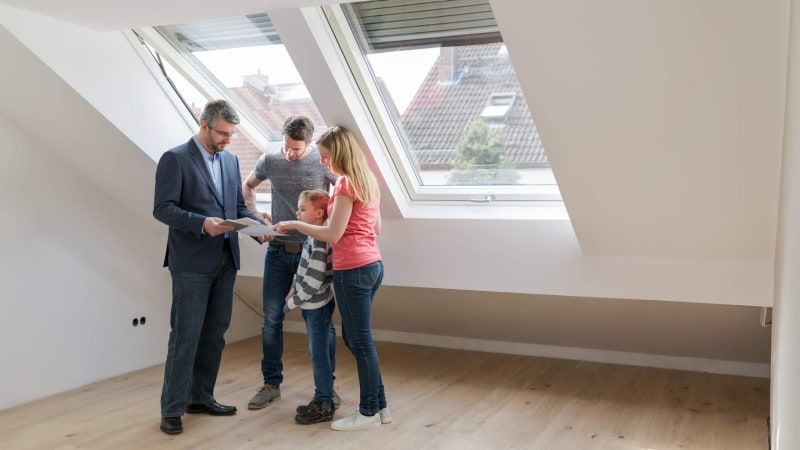
A professional home appraiser can help determine your home’s current market value. Appraisers are licensed and trained to conduct thorough visual inspections, review comparable home sales and provide a detailed report explaining how they arrived at the estimated value. This report can be useful for refinancing, selling or understanding your home’s worth.
What affects the value of my home?
The value of your home today may not necessarily be the value of your home tomorrow. There are several factors that drive its evaluation, such as:
- Housing market
- Comparable homes
- Age and condition
- Location
- Size
Housing market
The housing market has one of the biggest impacts on the value of your home. In times when there are more buyers than sellers, it's considered a seller’s market. This type of market can make your home a hot commodity which can potentially drive up the value. When there are fewer buyers than available homes for sale, it’s considered a buyer’s market. This could potentially drive down the value of your home.
Comparable houses
Other homes in the neighborhood influence the value of your home as well. These are known as comparables or “comps.” One way to initiate home comps is by looking at the prices of homes like yours that have recently sold to help determine your home’s potential value.
For example, if you have a ranch style home or are looking to buy one, compare its estimated value to a recently-sold ranch-style home in the neighborhood. Keep in mind other factors, such as square footage, location, bedroom and bath count, etc. If your home is a ranch style and is located on a more desirable part of the block, then you’ll want to compare it to a ranch-style home in the same area. However, if there are no comparable ranch-style homes in that area, take a look at two-story homes on the same block instead.
Age and conditions
The age and condition of your home are additional factors that affect the value of your home. For example, an older home that isn’t updated will be valued less than a newly updated home, even if the newly updated home is smaller. If the economy isn’t doing well, however, then your house may not be valued as high as it should be, even with recent upgrades.
Location
When calculating home values, location may pull more weight than size. Proximity to a good school district, desirable location (such as a lake, beach, mountains, etc.), public transportation, shopping and a bustling job market will affect the value of a home.
Size
Although location may be a top priority, home size is still a factor in evaluating value. The calculation is done by price per square foot; however, the price per square foot can vary. Living space, such as bathrooms and bedrooms, drive up the value of a home. For example, if you have a 2,000-square-foot home with a big garage, two bedrooms and one bathroom, it’ll likely be valued less than a 2,000-square-foot place with a smaller garage, three bedrooms and one bathroom.
The five biggest upgrades that can increase your home value
If you’re planning to sell your home in the future and are looking to drive up its value, here are a few projects you may want to consider:
- Expanding your living space: Adding square footage, whether through a room addition, a finished basement or an attic conversion, may significantly increase your home’s value by enhancing its livable space and functionality.
- Enhance energy efficiency: Upgrading to energy-efficient appliances, installing high-performance windows or adding insulation can reduce utility costs and appeal to environmentally conscious homebuyers.
- Complete major repairs: Certain parts of a property may increase the value. For example, a new roof improves your home’s appearance and provides peace of mind to potential homebuyers, knowing that they won’t face this immediate repair.
- Update plumbing systems: Replacing outdated plumbing can prevent future issues and is often a major selling point because it ensures the home meets modern standards.
- Finish your basement: Transforming an unfinished basement into a usable living space, such as a home office, gym or entertainment area, adds valuable square footage and can boost your home’s marketability.
For more detailed strategies on increasing your home’s value, consider exploring Chase’s guide on increasing the value of your home.
Expanding your home
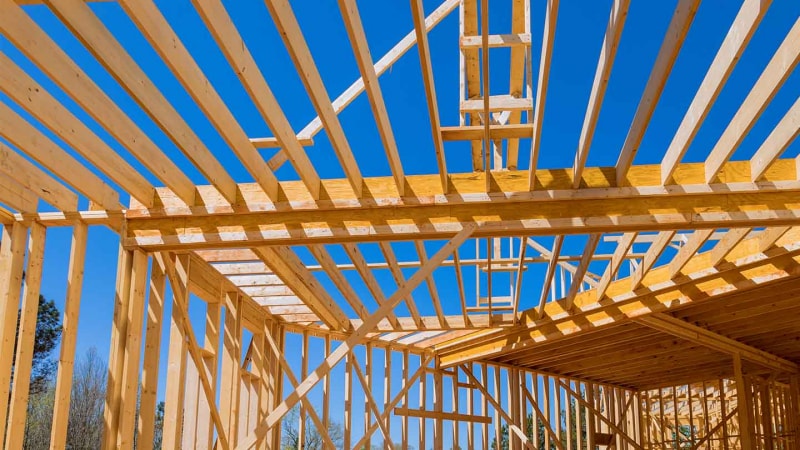
Expanding your home could be as simple as knocking down walls and as involved as building a second floor or an additional wing. Although knocking down walls doesn’t technically increase the square footage, it can make the layout of the house more open and therefore more desirable than other houses for sale in the area.
Add energy efficiency
Energy efficiency, in any capacity, is a desirable feature for buyers in the market. This could mean updating your heating/cooling system, installing solar roof panels or replacing or even sealing your windows.
Roof replacement
A sturdy roof is important for the infrastructure of the house. As a buyer, finding a house with an updated roof is optimal. Buying a new home and finding out the roof needs to be replaced is a large financial project to take on. As a seller, putting your house on the market with an updated roof raises the desirability of your home.
Update plumbing
Updating your plumbing can mean anything from installing low flow plumbing fixtures to replacing a septic tank. Putting a house on the market with an updated plumbing system is desirable from both a cost perspective and convenience perspective for a buyer and can raise the value of your home as a seller.
Finish your basement
Selling a house with a finished basement can increase the value dramatically. It can raise the usable square footage of the house and is desirable for many families. A finished basement means it has a full electrical system and finished floors, walls and ceilings. One way to identify a finished basement is if it’s ready to live in or can serve as an additional room, such as a place for relatives to stay, a home office or a child’s playroom.
If you’re looking for fun weekend projects to help upgrade your home, these eight home improvement ideas might inspire you!
Pro tip: The five small repairs that could make the biggest difference
Installing a security system
Installing an alarm system can be enticing for a potential buyer. While installing a security system may not directly increase your home’s appraised value, it can enhance marketability and appeal to safety-conscious buyers. Some insurance providers may also offer premium discounts for homes with security systems.
Updating fixtures
Updating your bathroom or kitchen fixtures are functional updates that can go a long way for a future buyer. It increases the aesthetics of the home and can help transform an outdated kitchen into something more modern.
Landscaping
Landscaping is another aesthetic improvement that goes a long way towards selling your home. The curb appeal of the house is the first thing a buyer will see and is often something that may sway a buyer as well as increase the desirability of your home, along with its value.
Patchwork
Patchwork can mean anything from re-paving your driveway to fixing cracked ceilings and covering up holes. This kind of repair improves both the quality and the aesthetics of your home.
Décor
Although improving the decor of your home may not drive up its market value, it can make the home look more desirable to the buyer. Placing flower arrangements, centerpieces or hanging artwork could improve the look of your home and inspire buyers while you are selling.
Why home value is important
Knowing what your home is worth helps you see the bigger picture of your finances. As your home’s value grows, so does your equity. That can open doors for things like refinancing, remodeling or planning your next move. It can be a straightforward way to track how your investment is performing over time.
Your home’s value can also affect everyday decisions. It could heavily influence your property taxes, insurance and the price you set if you decide to sell. Keeping an eye on it helps you make smart, confident decisions about upgrades and gives you more control over your long-term financial goals.
Ready to find your home’s value?
Calculating your home value is important when you are both buying and selling a home. Home value estimates give you insight into what you could gain financially and can help form a strategy on how to move forward.