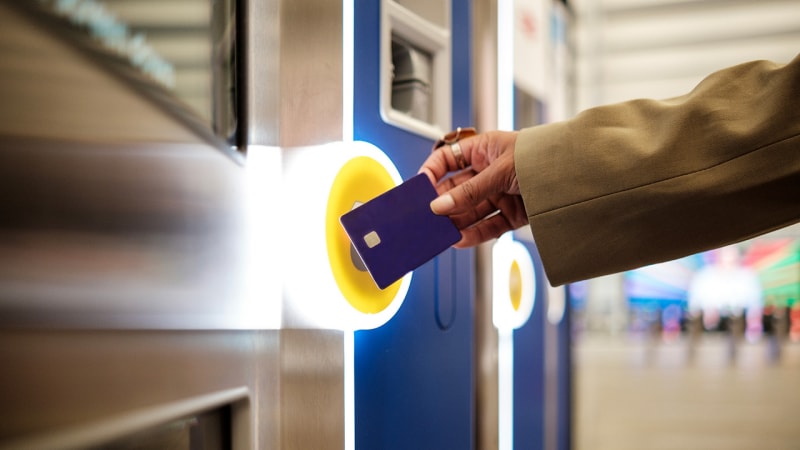
4 common myths about digital wallets
Quick insights
- Digital wallets can be a safe and convenient way to make purchases.
- They can store multiple payment types and media, such as store loyalty cards, tickets and IDs.
- Digital wallets may be easy to set up and use.
Digital wallets are becoming commonplace with more and more consumers preferring to use their phones and electronic devices to make purchases. But some may not fully understand this payment method yet. They may have questions about its safety, acceptance and even how to use a digital wallet.
In this article, we’ll discuss four common myths about digital wallets.
Understanding digital wallets
Digital wallets are an electronic alternative to your physical wallet. They can store credit card data and other financial information, allowing you to pay for transactions without a physical card present. Digital wallets can also facilitate peer-to-peer payments.
Digital wallets can be stored on your phone, on a wearable device or in an app. But even with their increasing prevalence, there are still some common misconceptions about digital wallets.
Myth: Digital wallets are not safe
Digital wallets are still a relatively new payment option. This newness, however, means they have been created with modern banking and online security in mind.
Digital wallets often include security measures, such as encryption and tokenization to help protect the transaction. They can sometimes mask a card’s data, so your card’s real information—16-digit card number, expiration date and security code—will not be included in a transaction. Most digital wallets do not store card numbers on the device or on servers, further reducing risk. There is also device-level security, such as hardware-backed security and OS-level protections.
Some digital wallets also require verification before completing a transaction. Verification is an added step to verify your identity that can include:
- Passcodes
- Verification codes
- Biometric data
During the digital wallet setup process, users are often required to set up security measures that are not available with traditional payment methods, like cash or checks.
Myth: Digital wallets are not widely accepted
Digital wallets are typically accepted by a wide range of retailers, both online and in stores, and many are accepted at locations worldwide and come preinstalled on many mobile phones. There is a growing acceptance of digital wallets for public transit, in-app purchases and online checkouts. QR-based wallets are also gaining traction in some markets.
Acceptance can vary depending on the country and the specific retailer. In some countries, digital wallets have become a popular method of payment, while in others, they are still gaining traction.
You may want to check whether your specific digital wallet is accepted at the places where you regularly shop.
Myth: Digital wallets are hard to set up
Setting up a digital wallet is usually a simple process. Most digital wallets require just a few steps to set up. Identity verification may be required for some features, such as sending money and higher transaction limits.
Users typically need to download an app or create an account. Once they have, they enter their card information to finish setting up the digital wallet. Some banks and card issuers allow instant provisioning to digital wallets directly from their apps. At Chase, we call this Day 0 where applicable.
In addition, digital wallets can offer:
- Assistance and guidance: Many digital wallet providers offer step-by-step guidance during the setup process and have customer service teams available to assist.
- User-friendly interfaces: Many digital wallet apps are designed with user experience in mind, aiming to make the process intuitive and straightforward.
- Activation: Once a payment method is linked, the digital wallet is often ready to use immediately.
- Flexibility: Users can often link multiple cards or accounts to their digital wallet, allowing them to choose the most convenient payment method for each transaction.
Myth: Digital wallets are hard to use
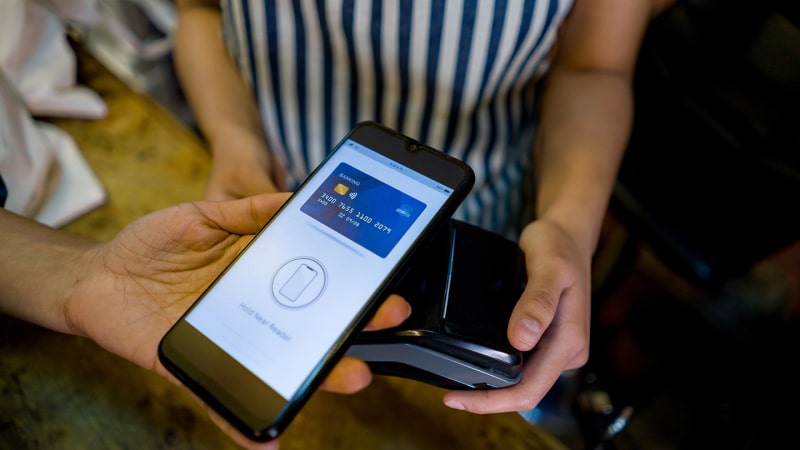
Digital wallets can provide a quick and convenient way to make purchases. If you’re using a digital wallet to check out online, you typically won’t need to enter your credit card information each time you make a purchase. When using a digital wallet on your phone, you may only need to hold it near a payment terminal to initiate your transaction.
You may also find digital wallets more convenient if you want to limit your contact with public surfaces. Because many digital wallets offer contactless payment, you may be able to avoid touching a payment terminal to complete your transaction.
Digital wallets can also be used for recurring payments and subscriptions, as well as at Chase ATMs. Accessibility features may be available, like voice commands and screen reader compatibility.
Considerations when using a digital wallet
There are many digital wallets to choose from. You can use the version built into your mobile phone or you may choose to download an app or sign up for an online digital wallet, like Paze.
It could be a good idea to brush up on digital wallet safety regardless of what platform you choose. Here are a few things you may want to consider when using a digital wallet:
Security measures
You may want to prioritize security when using a digital wallet. This includes setting up strong, unique passwords and enabling two-factor authentication if available. By regularly updating your app, you may also benefit from the latest security patches. Consider avoiding using public Wi-Fi networks when making transactions, as they can be less secure. Enabling device-level security (PIN, Face ID, fingerprint) is important.
Terms and conditions
Before using a digital wallet, you may want to review the terms and conditions. This includes understanding any fees associated with the service, how disputes are handled and what happens if your device is lost or stolen.
Monitoring
Regularly checking your digital wallet and linked accounts for any unauthorized transactions could help you spot and report suspicious activity. If you spot fraudulent activity sooner rather than later, you could potentially better your chances of resolving the issue more quickly and minimizing any potential damage.
Backup and recovery
Having a backup and recovery plan for lost, stolen or damaged device could include securely storing any recovery codes or phrases.
Keep in mind that some vendors don’t accept digital wallet payments. In addition, phones can lose battery power and technical glitches can happen. Consider having an alternative way of paying whenever possible.
In summary
Digital wallets are a relatively new payment method that’s become increasingly popular. Because they are relatively new, digital wallets are often built with security measures and designed for ease of use. There are environmental benefits (less plastic, paper receipts) and the potential for integration with other digital services. You may also continue to earn rewards just like a plastic card.
When you use a digital wallet—be it through your mobile device, online or an app—you may find it a convenient and quick way to make purchases.