Five reasons EVs are becoming more affordable

From dropping up-front costs to lower fuel and maintenance costs, owning and maintaining electric vehicle (EVs) is becoming more affordable. Here are five reasons why.
1. Fueling up with electricity is typically cheaper than gasoline
One of the most obvious financial advantages of owning an EV is the potential savings on fuel. While both gas prices and electricity rates can vary based on where you live, electricity is typically more affordable. In 2026, U.S. EV drivers spent less than half as much on fuel per mile compared to those driving gas-powered cars — saving roughly 7.5 cents per mile, according to the 2026 Your Driving Costs study by AAAOpens overlay.
That being said, it’s still important to consider variable costs, such as electricity rates in your region. According to a 2026 analysis by MotorwattOpens overlay, EVs can save drivers between $6,000 and $12,000 over their lifetime on average. But local utility rates heavily influence where drivers fall in that range. A full home charge could cost around $8 in states like Nevada, where electricity is cheaper, compared to over $32 in Hawaii, based on October 2026 data from Electric ChoiceOpens overlay.
2. Charging at home costs less than charging on the road
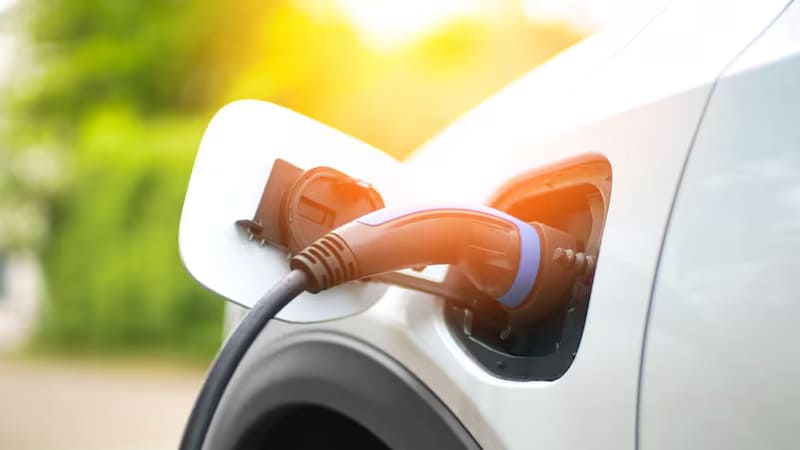
Unlike gas pumps, charging stations can conveniently be installed in your home. As a result, most EV owners preferOpens overlay to charge their vehicles at home rather than relying on public stations.
Although public charging stations are essential for long-distance travel, they tend to cost more per kilowatt compared to charging at home; in fact, public fast charging costs two to three times more than the average home charge, according to October 2026 data from Electric ChoiceOpens overlay. Installing a charging station requires an up-front investment — averaging around $2,000 for the unit and installation combined — but can still save drivers money over time, according to a May 2026 guide from Kelley Blue BookOpens overlay. Charging your EV overnight also allows you to take advantage of electricity rates during off-peak hours, when demand and price drop, potentially saving drivers hundreds of dollars annually. According to a May 2026 analysis by GuidedOpens overlay, off-peak utility rates can cut standard home charging costs by up to 50%.
3. Maintaining EVs costs less – and your car lasts longer
Gas-powered cars require routine maintenance such as oil changes, fluid flushes, and spark plug and air filter replacements – none of which are necessary for EVs. EVs also feature regenerative braking, a technology that uses the energy generated during braking to recharge the battery, which reduces wear on brake pads and extends their lifespan. Many EV drivers report that their brake pads can last over 100,000 miles, compared to 40,000 to 50,000 miles for conventional cars, according to a May 2026 analysis by Guided FinanceOpens overlay.
Because EVs have significantly fewer moving parts compared to gasoline cars, they require fewer repairs. That means EV maintenance costs can be roughly 30-40% lower over time compared to traditional vehicles, according to a March 2026 analysis by KiplingerOpens overlay.
4. Utilizing public incentives and rebates reduces upfront costs
Even with the elimination of federal incentives, many states offer their own credits or rebates, with amounts and benefits varying by location. Some utility companies even provide special electricity rates for EV owners who charge their vehicles during off-peak hours, according to a July 2026 guide from Kelley Blue BookOpens overlay.
5. Continuing popularity is naturally decreasing prices
While EVs were once considered prohibitively expensive, their upfront costs have been declining steadily. In fact, an August 2026 report from Cox AutomotiveOpens overlay noted that the average transaction price for a new electric vehicle dropped to $54,754, representing a 2.8% decrease year over year as price parity with gas vehicles continues to improve.
These trends indicate that EVs will continue to become more affordable in the coming years, especially as technology continues to advance.
In Summary:
Electric vehicles offer a variety of ways to save money, from lower fuel and maintenance costs to public incentives and rebates. As the technology continues to improve and prices drop, owning an EV becomes an increasingly cost-effective choice. Learn more about EVs at www.chase.com/EVopens in same window.
To learn more about EVs, visit www.Chase.com/EV.