How to test drive a car at a dealership

Quick insights
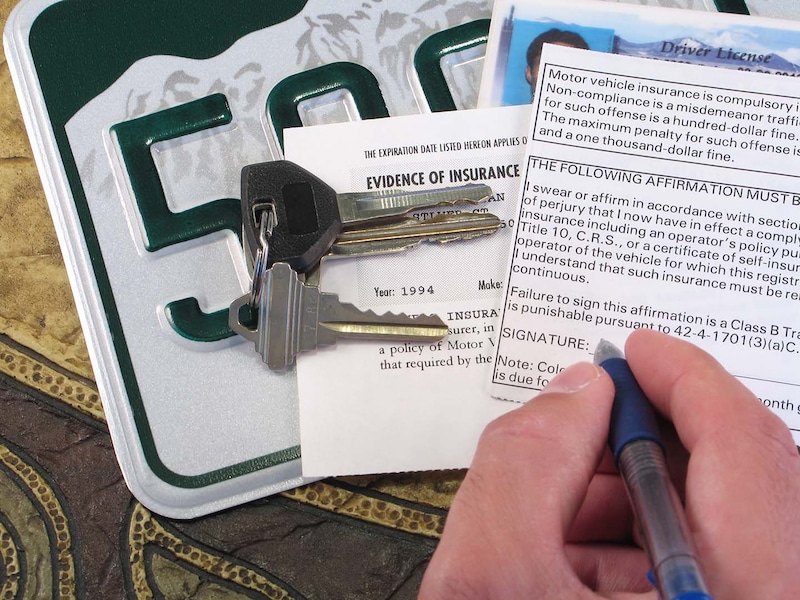
- Bringing your driver's license and proof of insurance is generally required before a salesperson will hand over the keys.
- Taking the vehicle on both local streets and the highway may help you evaluate its overall performance and comfort.
- Turning off the radio during your evaluation can help you listen for unusual engine noises or excessive wind resistance.
A test drive is an opportunity to see how a vehicle handles, sounds and feels before you commit to buying it. Understanding what to look for and what questions to ask during your evaluation may help you make a decision when choosing your next vehicle.
Requirements to get behind the wheel
Before you can take a vehicle out on the open road, the sales staff may ask to verify a few pieces of information. One requirement is a valid driver's license, which the dealership will typically photocopy and keep on file for security purposes. You may need to provide proof of your current auto insurance policy, as the dealership needs to verify you're covered in the event of an accident.
Some dealerships may also ask you to sign a liability waiver before handing over the keys. This document outlines your responsibilities while operating their property and confirms that you agree to follow all local traffic laws.
You may choose to call ahead and schedule an appointment rather than walking onto the lot to help streamline your visit. Setting up a specific time allows the staff to pull the vehicle out of the inventory line and have it washed and ready for your arrival.
Evaluating comfort and visibility
Before you shift the vehicle into drive, you may wish to spend a few minutes assessing the interior cabin.
- Checking the seating position: You may want to adjust the driver's seat and steering wheel to find a comfortable posture. If the seat feels stiff or lacks proper lumbar support, it could become uncomfortable to drive.
- Assessing the sightlines: Take a moment to look over your shoulder and check your blind spots before leaving the parking lot.
- Testing the technology: You might consider pairing your smartphone to the infotainment system to see if the interface is intuitive and evaluate the controls.
- Evaluating the cargo space: If you frequently travel with large items, you might want to open the trunk or fold down the rear seats. Bringing along a bulky item, like a stroller or golf clubs, can help you determine if the cargo area meets your needs.
What to look for on the road
Once you pull out of the dealership, it can be helpful to simulate your normal driving routine.
- Testing the acceleration: Merging onto a local highway can help you determine if the engine provides enough power for your comfort level. You may want to pay attention to how smoothly the transmission shifts as you increase your speed.
- Evaluating the brakes: Finding a safe, empty stretch of road or parking lot could give you to opportunity to test the stopping power. The brake pedal should feel firm and responsive, and the vehicle should not pull to one side when you apply pressure.
- Listening for noises: Turning off the radio/sound system and rolling up the windows can help you hear what is happening under the hood. Rattling suspension components, whining belts or excessive wind noise are some sounds you can listen for.
- Assessing the suspension: Driving over rough patches of pavement can reveal how well the vehicle absorbs impacts. A suspension system that feels stiff might become irritating if you regularly drive on poorly maintained streets.
Questions to ask the salesperson
Sometimes there will be a sales representative riding in the passenger seat who is there to help. You might want to ask them about the vehicle, including safety and entertainment features. If you are evaluating a pre-owned model, you could ask if the dealership has a record of the vehicle's past maintenance history.
It is also helpful to ask about the specific warranty coverage that comes included with the vehicle. Understanding exactly what components are covered and for how long may help you anticipate your future ownership costs. Finally, you might ask if the dealership offers a return policy or exchange window, just in case you change your mind after taking the vehicle home.
The bottom line
First-hand evaluation of a vehicle can be a helpful step in the automotive shopping process. Arriving with your license and insurance ready may help you get behind the wheel faster, while scheduling an appointment can mean the car is prepped for your arrival. By taking the time to evaluate the interior comfort, test the mechanical performance and ask questions, you could feel more prepared about making your next auto purchase.