Ways to spot identity theft and help keep your information secure

Quick insights
- Identity theft happens when someone steals your personal information to commit fraud.
- Checking your accounts and credit reports regularly might help you spot unusual activity.
- One strategy if you suspect identity fraud is to contact your creditors and the credit bureaus promptly.
Identity theft occurs when someone uses your personal information without permission. It can result in unauthorized purchases or new accounts, such as credit cards or loans, opened in your name. Understanding the signs of identity theft and knowing potential steps to take may help you respond effectively.
How does identity theft happen?
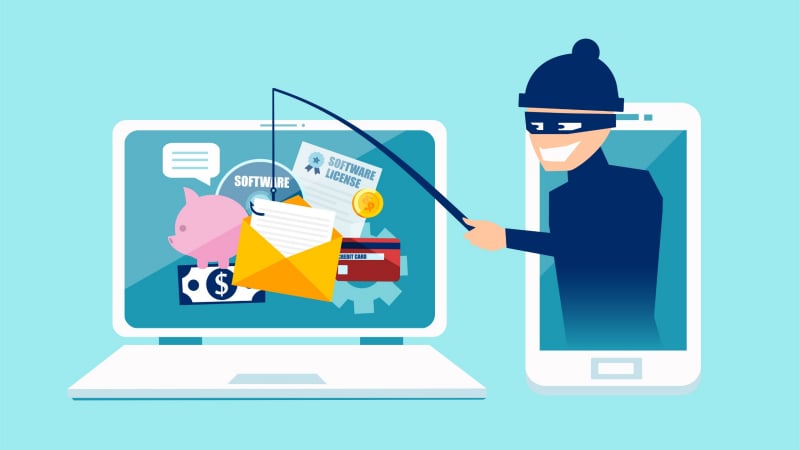
Identity theft happens when someone steals your personal information to commit fraud. A thief might open credit cards or utility accounts. They could get medical treatments in your name. They could also drain your bank account or claim your tax refund. These activities might show up on your credit report, hurt your credit health and make it harder for you to get credit when you need it.
Identity theft can also happen when you lose your wallet or have a piece of mail stolen. Criminals can steal your personal data from unsecured websites, public Wi-Fi networks, email phishing scams and malware.
You may have heard about hackers stealing customer data from company data breaches. Hackers may obtain customer names, credit card numbers, Social Security numbers and other information. The hackers might use the stolen information themselves or sell it on the dark web.
How can I spot identity theft?
Checking your accounts and credit reports regularly may help you spot identity theft. You might consider looking out for activity such as:
- Unusual withdrawals from your bank account.
- Credit card purchases that aren't yours.
- Mail you used to get regularly (like billing statements) that no longer arrives.
- New credit accounts or high balances on your credit report that you don't recognize.
- A letter from the Internal Revenue Service letting you know that they've received more than one tax filing in your name.
You might also consider reviewing all companies you do business with. You might be at a higher risk of identity theft if your info is compromised in a company data breach.
How do I protect myself?
Strategies designed to help protect against identity theft include:
Storing your info in a secure place and never sharing it with anyone
- Keeping your Social Security card, passport and birth certificate somewhere secure.
- Restricting the sharing of your personal information on social media.
Monitoring your mail and bills
- Going paperless with your credit card, loan or bank statements.
- Collecting your mail every day and putting it on hold when you're away.
- Shredding receipts, billing statements and other financial paperwork.
Considering ways to reduce your risks online
- Avoiding personal business on public Wi-Fi.
- Using complex passwords.
- Installing virus-detection software on your computer.
Staying alert
- Learn more about how to manage your alerts with Chase Credit Journey®. Identity Monitoring from Credit Journey provides alerts if your personal information is found on the dark web or involved in a data breach. If your information is stolen, Credit Journey is ready to assist. You'll also get notified whenever there are changes to your overall credit limits, usage and balances.
- Reviewing your bank and credit card statements at least once a month.
- Checking your credit report regularly with all three bureaus (Experian™, TransUnion® and Equifax®).
What can I do if this happens to me?
Options for acting quickly if you notice unusual activity or believe someone has stolen your identity may include:
- Calling the company where you believe the fraud happened (this could be your bank or credit card company).
- Contacting the three main credit bureaus and ask them to place a fraud alert on your credit report.
- Checking your credit reports for errors.
- Freezing or locking your credit report.
- Changing your usernames and passwords.
- Reporting the theft to the Federal Trade Commission.
Identity theft can happen to anyone. Staying alert, keeping your personal information in a private place and checking your credit report regularly may help you identify issues so you can choose to act quickly.
Key takeaways
- Identity theft can happen if you lose your credit card or other personal documents or if someone hacks websites and companies you rely on.
- Identity theft can hurt your credit profile if the thief opens credit cards in your name or uses those accounts to make purchases.
- Strategies include keeping tabs on your bank account, credit cards and credit report to watch for any unusual activity.
- Consider contacting your creditors and the credit bureaus immediately if you suspect identity theft.
- With Chase Credit Journey, you can receive notification if your information is found on suspicious websites, exposed in a data breach or if there is activity associated with your Social Security number—all for free and no Chase account required. If your information is stolen, Credit Journey provides tools to help with identity restoration, offering personal assistance and coverage for certain expenses.