What every Gen Z’er should know about credit

Quick insights
- Understanding credit scores and what factors may impact them can be helpful for Gen Z, as credit scores impact things like lending decisions, insurance premiums and job opportunities.
- Gen Z can establish and maintain good credit by using credit responsibly, practicing good credit habits and avoiding pitfalls like overspending and missed payments.
- Utilizing tools such as credit monitoring services, educational resources and budgeting can be helpful for Gen Z to effectively manage and improve their credit.
There’s a lot to know about credit, credit management and responsible financial habits. But what may be relevant for Gen Z’ers to keep in mind when it comes to credit? Let’s find out.
Understanding credit scores
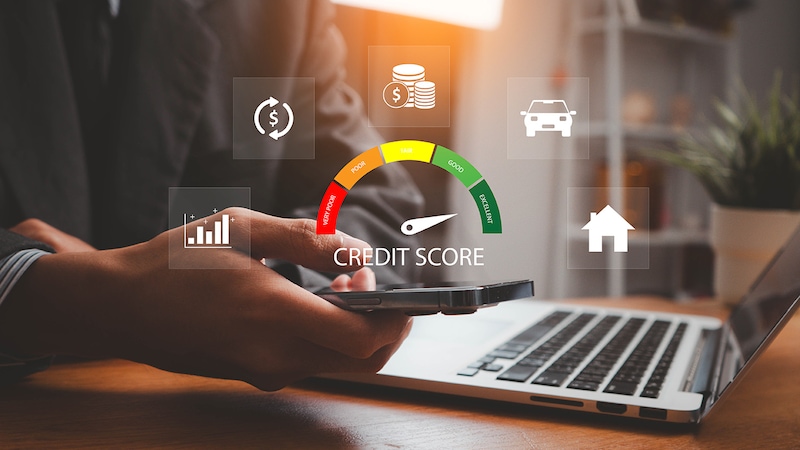
A credit score is a three-digit number that lenders use to assess borrowers’ creditworthiness. Lenders use credit scores (among other factors) to make lending decisions, such as whether to approve credit applications, how much to lend and under what terms and conditions.
Credit scores generally range from 300 to 850. Two main credit-scoring companies, FICO and VantageScore®, have their own scoring ranges that look just a little different from one another.
According to Experian, as of 2024, VantageScore 3.0 and 4.0 scores are broken down like this:
- 300-600: Subprime or not prime
- 601-660: Near prime
- 661-780: Prime
- 781-850: Super prime
FICO scores are split into the following categories:,
- 300-579: Poor
- 580-669: Fair
- 670-739: Good
- 740-799: Very good
- 800-850: Exceptional
The higher your credit score, the better your chances can be of credit approval and qualifying for more favorable terms and conditions. However, please note that while important, your credit score is just one of several factors lenders take into account when approving a loan.
Credit scores can also play a role when it comes to insurance premiums, utility accounts, rental agreements or even landing a job—as some employers check credit scores as part of their hiring process.
With a lower credit score, it may be more difficult to get approved for financial products or qualify for better rates and conditions. It could also mean higher insurance premiums, getting denied for rentals or maybe even getting turned down for certain jobs. If you understand what factors make up your credit score, you can do something about getting your credit history and score in a better spot.
The importance of good credit for Gen Z
For Gen Z, understanding credit scores and what goes into them is especially important, because your first credit decisions can set the stage for your financial future. Your credit activities will make up your credit history, which is how you’ll get your first credit scores. Improving your credit score is always possible, but it may require patience, especially if you’re building from a lower starting point.
Getting your credit off to a good start will only help you in the future, so why not put your best foot forward?
How Gen Z can start building credit early
Maybe you’re on board with the idea of starting to build strong credit early on. So how can you do that? Here are some ideas to consider:
- Consider opening a credit card account: If you’re not able to get approved for a regular card because of lack of credit, you can consider starting with a secured credit card or becoming an authorized user on a parent's account. Note: Chase does not currently offer secured credit cards.
- Make consistent bill payments: Payment history plays an important role in determining credit scores, so it can be important to consistently pay bills on time to build a positive payment history. If you become an authorized user, make sure the primary cardmember pays their balances on time so your credit history is positively affected.
- Use credit responsibly: Practice other responsible credit habits like keeping your credit utilization low. Not only will this help your credit history and credit score, but it will get you in the habit of using credit responsibly. The Consumer Financial Protection Bureau (CFPB) recommends keeping your credit utilization to 30% or below for better credit scores.
- Monitor credit regularly: Checking your credit reports regularly can help you track your progress, catch errors and stay up to date on your credit and how it’s looking. Chase Credit Journey® is one online tool that allows you to view your credit score provided by Experian™ for free.
Common mistakes Gen Z should avoid with credit
On your journey to building credit, there are some common mistakes to try to avoid. These include:
- Overspending on credit cards: As mentioned above, for better credit scores, the CFPB recommends keeping your credit utilization to 30% or less of your total available credit.4 That means not accruing high remaining balances.
- Ignoring credit card statements: Reviewing statements carefully and learning about late fees, penalty charges, interest rates and more can help you stay on top of your finances and avoid unexpected costs. By staying informed, you can make the most of your money and manage your accounts confidently.
- Missing payments: Payment history is usually the biggest factor when it comes to calculating your credit scores, so do your best to make regular, on-time payments.
- Applying for too many credit cards: Each time you apply for credit, the potential lender performs a hard credit check, your credit score could go down. You may only want apply for credit when you need it and be strategic about when you apply.
Tools and resources for Gen Z to manage and improve their credit
There are tools and sources that might be able to help you manage your credit now and in the long term. Consider checking out things like:
- Credit monitoring services: There are free tools online you can explore, such as Credit Journey®, a free credit monitoring tool that can let you monitor your credit, track progress and potentially catch errors that could be bringing your score down.
- Educational resources: Online courses or workshops focused on financial literacy specifically for Gen Z could be worth looking into.
- Budgeting apps: There are apps that can help you manage finances and improve your credit habits. Consider doing some research online to find some that could have features you could benefit from. Keep in mind that some of these might be paid tools, though, so do your research first to see what apps might align with what you’re looking for.
- Professional financial advice: Keep in mind that there’s always the option to seek advice from professionals for personalized guidance. Some of these services might be free, but some might not be.
Conclusion
Understanding and managing credit can be important to Gen Z people as they navigate their financial futures. By building a strong foundation through early and responsible credit management, Gen Z can help set themselves up for success.
Maintaining a high credit score may help open doors to better loan terms and financial opportunities but also can provide a sense of financial security and independence. By making informed and responsible decisions, you can work towards an improved credit profile.