What to do if you lost the title to your car
Quick insights
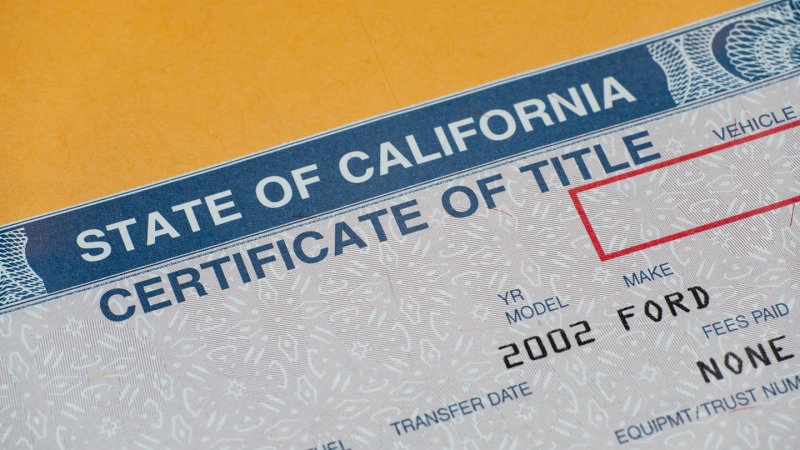
- A vehicle title serves as the primary legal proof of ownership and is required for selling or transferring a car.
- Replacing a missing ownership document typically involves submitting a specific application to your local department of motor vehicles.
- Gathering the correct identification and vehicle information can help streamline the replacement process.
Keeping track of your automotive paperwork can be helpful when you decide to sell or trade your vehicle. In the event that you lose the title to your car, you might be wondering what to do. Let’s take a look at the steps for a replacement to help save you time and frustration down the road.
What to do if I lost my car title
Discovering your ownership document is missing can be stressful. If you are wondering what to do if you lost your car title, the first step is to verify it is truly gone by checking the places you store important documents. If a thorough search comes up empty, you can request a duplicate from your state's motor vehicle agency.
Acting promptly can help you be prepared when you decide to sell the vehicle. While driving without a physical title on hand remains legal, transferring ownership requires the official paperwork. Additionally, if you notice any suspicious activity regarding your vehicle registration, contacting local authorities could provide an extra layer of protection during the replacement procedure.
How to replace a lost car title
Replacing lost car title documents typically involves following a few steps:
- Determine your application method: Many states allow you to request a duplicate online or through the mail.
- Complete the required forms: You will typically fill out a specific lost title application provided by your state agency. This form asks for basic details about your identity and the vehicle in question.
- Pay the replacement fee: Most motor vehicle departments charge a small administrative fee to process your request and print a new document. This cost varies by location.
- Wait for processing: After submitting your paperwork, the agency will review your information to verify your ownership status. The new title is usually mailed to your primary address within a few weeks.
- Check for accuracy: Once the new document arrives, reviewing the printed information can help you catch any clerical errors. Ensuring your name and vehicle identification number are correct can prevent future complications.
Requirements to replace a lost title
Before you submit your request, gathering the correct information can help prevent processing delays.
- Vehicle identification number: This unique seventeen-character code is required to accurately identify your specific car in the state database. You can usually find this number on your insurance card or vehicle registration.
- Proof of identity: Agencies typically ask for a valid driver's license or state identification card to confirm you are the registered owner. This security measure helps prevent unauthorized individuals from claiming your property.
- Current registration details: Providing your license plate number and current registration status can help the clerk locate your file faster. Keeping these documents handy helps streamline the verification process.
- Lienholder information: If you are still paying off a retail installment contract, the financial institution may hold the actual title. You might be asked to provide a lien release document if the loan was recently paid in full.
- Odometer reading: Some states request the current mileage of your vehicle when you apply for a duplicate document. Check your dashboard before filling out the paperwork so that your application is complete and accurate.
Understanding title brands and replacements
When you apply for a duplicate document, the new title will typically carry the same brand as the original. This means if your vehicle was previously designated as salvaged or rebuilt, the replacement will reflect that history. Maintaining this transparency protects future buyers and keeps the state's records accurate.
It may be helpful to remember that once a duplicate is issued, the original document becomes legally void. If you happen to find the old paperwork after receiving the new one, you should destroy the original to prevent confusion. Attempting to use a voided document for a sale could lead to administrative delays or raise concerns about suspicious activity.
When to request a replacement title
Timing your request correctly can save you from unnecessary stress during a vehicle transaction. If you plan to sell your car privately or trade it in at a dealership, securing a lost car title replacement beforehand is highly recommended. Buyers and dealers generally cannot complete a sale without this official proof of ownership.
Waiting until the last minute to request a duplicate could delay your transaction. Initiating the lost title replacement early gives you a buffer so you can focus on negotiating a fair price.
The bottom line
Misplacing your vehicle's ownership document is an issue that can be resolved with a few steps. Gathering your identification and submitting the proper forms will help you secure a replacement and keep your automotive records up to date.