How to store a car long term

Quick insights
- A garage or indoor space offers protection from weather, sunlight and pests during storage.
- Preparing a vehicle for storage involves cleaning the exterior, adding fuel stabilizer and protecting the battery.
- Electric vehicles (EVs) require a charge level between 40% and 60% and may have a built-in storage mode.
Planning to store your car for a long period of time? With the right storage spot and a few steps—like cleaning, stabilizing fuel (for gas vehicles) and protecting the battery—you can help prevent issues such as battery drain, tire flat spots and fuel breakdown.
What is car storage?
Car storage refers to the practice of parking a vehicle for a period of a month or longer while taking steps to protect it from deterioration. When a car sits unused, components such as the battery, tires and fuel system can degrade over time. Storage involves preparing the vehicle beforehand and checking on it to make sure it remains in working condition.
The process differs depending on whether you are storing a gasoline-powered vehicle or an EV. Gasoline cars require fuel stabilization and engine preparation, while EVs require battery management to reduce degradation. Understanding the distinction may help you avoid issues when it comes time to bring the vehicle back on the road.
When to store your car
You might consider storing your car if you are traveling, relocating or driving a vehicle you only use during certain seasons. If you do not plan to drive the vehicle for more than 30 days, preparing it for storage can help reduce issues such as battery drain, tire flat spots and fuel breakdown.
If you are only parking the car for a week or two, you may be able to skip some storage precautions. However, for periods longer than a month, preparing the vehicle may help you avoid problems when you return. The vehicle may need attention before and during the storage period.
Where to store your car
Choosing a location for your vehicle can influence its condition during the storage period.
- Indoor garage: A garage or other indoor space offers protection from weather, sunlight and pests. Storing a vehicle indoors shields the paint from fading and keeps the interior from deteriorating.
- Storage facility: If you do not have access to a garage, a storage facility can provide an environment with temperature control. These facilities may charge a fee but offer protection from the elements.
- Outdoor with a cover: If indoor storage is not available, you can use a car cover to help protect the vehicle from moisture and sun exposure. A cover can help reduce rust and keep the paint from fading.
- Avoid parking brakes: Wherever you store the vehicle, avoid engaging the parking brake for extended periods. The brake pads can stick to the rotors and cause issues when you try to drive the car again.
How to prepare your car for storage
Taking the time to prepare your vehicle before storage may help reduce mechanical issues down the road.
- Clean the vehicle: Wash the exterior and vacuum the interior before storing. Dirt and debris left on the paint can cause scratches, and food crumbs may attract pests.
- Add fuel stabilizer: For gasoline vehicles, fill the tank and add a fuel stabilizer to absorb moisture and reduce buildup. Drive the car after adding the stabilizer to mix it through the fuel system.
- Change the oil: Changing the oil before storage helps reduce sludge from forming while the vehicle sits. Oil that has accumulated contaminants can break down over time and cause engine issues.
- Protect the battery: You can disconnect the battery and store it in a location away from moisture, or use a battery maintainer to keep it charged. Removing the battery may extend its life during storage.
- Inflate the tires: Inflate the tires to the recommended pressure before storage. Tires can lose air over time, and tires with low pressure may develop flat spots from sitting in one position.
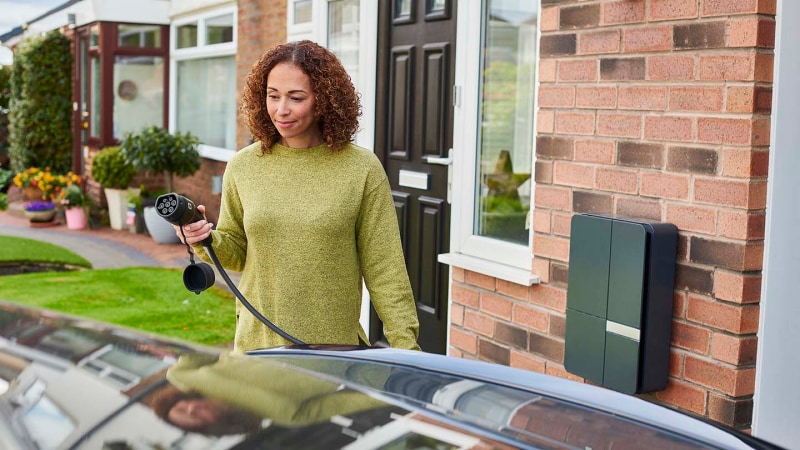
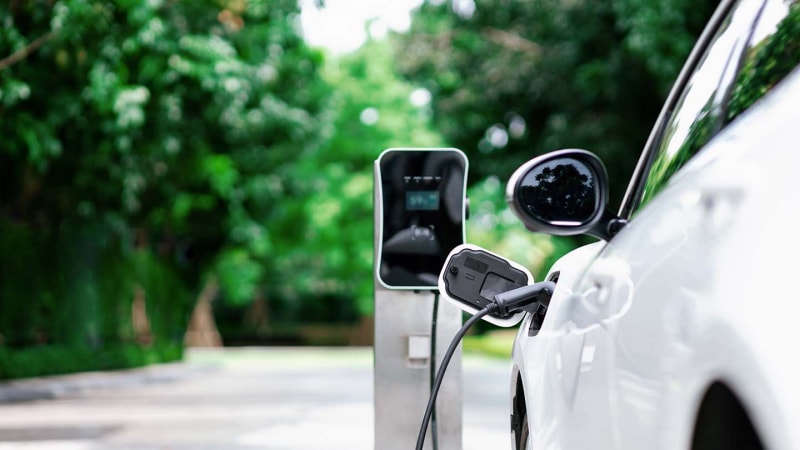
- EV battery preparation: For EVs, charge the battery to between 40% and 60% before storage. Many EVs have a built-in storage or deep sleep mode that manages the battery while the vehicle is not in use.
How to maintain a car in storage
Even while a vehicle is in storage, maintenance can help keep it in working condition.
Start the engine: For gasoline vehicles, starting the engine every two to three weeks can help maintain the battery and circulate fluids. Let the car run for about 15 minutes outside to reach operating temperature.
Check tire pressure: Tires can lose air over time, so checking the pressure can help reduce flat spots. If you plan to store the vehicle for several months, you may want to remove the tires and place the car on jack stands.
Inspect for pests: Check the vehicle for signs of rodents or insects that may have found their way inside. Chewed wiring or nesting materials can cause damage that may go unnoticed until you try to drive the car.
Maintain EV charge level: For EVs, check the battery charge and use a Level 2 charger with scheduled charging if available. This can help maintain the battery without overcharging it.
Avoid idling as a substitute: Idling the car for a few minutes may not circulate fluids through the system. Occasionally driving the vehicle for a distance may help maintain the battery and circulate fluids.
The bottom line
Storing a car long term requires preparation and attention to keep the vehicle in working condition. Choosing a location, preparing the fuel system and protecting the battery are steps that may help preserve the vehicle during periods of inactivity. Whether you are storing a gasoline car or an electric vehicle, following a checklist of preparation and maintenance steps can help you avoid issues when it is time to get back on the road.