Pros and cons of investing in an electric car

Quick insights
- Electric vehicles (EVs) are eco-friendly, producing low emissions and helping reduce your carbon footprint.
- Despite a higher initial cost, EVs can offer long-term savings through reduced fuel and maintenance expenses.
- Improvements in EV driving range and charging infrastructure are ongoing, but they remain key considerations for prospective buyers.
Going electric can be a shockingly good idea! Electric vehicles are more than just a trend; they're a shift toward sustainable transportation. So, whether you're tired of gas prices or just want to charge into the future, EVs may offer you spark of innovation that's hard to resist.
What is an EV?
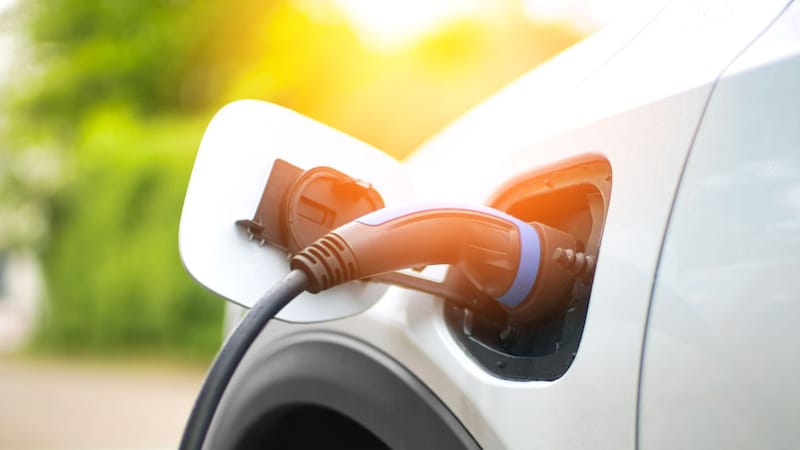
An EV, or electric vehicle, is primarily defined by its reliance on electric power sources rather than traditional internal combustion engines. They are equipped with advanced battery systems that store and supply energy to electric motors, enabling the vehicle to operate without gasoline. This difference in powertrain technology distinguishes EVs from conventional vehicles. Additionally, EVs are designed to be charged through external power sources, such as home charging stations or public charging networks, which refuel the battery for continued use.
The design and technology of EVs encompass a range of features that enhance their efficiency and performance. Battery-electric vehicles (BEVs) are fully electric, relying solely on battery power, while plug-in hybrid electric vehicles (PHEVs) combine electric motors with a gasoline engine. This diversity in EVs allows consumers to choose models that best fit their driving needs and lifestyle. As technology advances, EVs continue to evolve, offering improved range, faster charging times and enhanced connectivity features.
Why consider an EV?
Electric vehicles can be environmentally friendly and may provide opportunities for savings and enhanced driving experiences. Let’s take a closer look at why a switch to an EV might be worth your consideration:
- Environmental impact: EVs produce lower emissions, which helps reduce air pollution and combat climate change. This environmental advantage makes them an option for eco-conscious consumers. By choosing an EV, individuals can help decrease their personal carbon footprint.
- Cost savings: Lower fuel and maintenance costs can offset the higher purchase price over time. Many EV owners experience significant savings on energy compared to gasoline, which can make EVs a financially savvy choice. Additionally, different maintenance requirements can translate to fewer trips to the mechanic for certain issues.
- Performance: Electric cars may offer smoother acceleration and a quieter ride compared to traditional vehicles. This enhanced driving experience can be a major draw for those seeking comfort and efficiency. The instant torque provided by electric motors also contributes to a more responsive and enjoyable drive.
Pros and cons of electric cars
Electric cars come with a variety of advantages and disadvantages that potential buyers should consider. Understanding these pros and cons can help in making an informed decision about whether an EV is the right choice for you.
Pros
Electric vehicles offer some benefits that make them an attractive option for many consumers. Here are some key benefits to consider:
- Eco-friendly: Lower emissions help contribute to a cleaner environment. This positions EVs as an important part of efforts to reduce air pollution and combat climate change. By driving an EV, individuals can actively participate in environmental conservation.
- Lower running costs: Electricity is generally cheaper than gasoline, and EVs have different maintenance requirements. This results in significant savings over the vehicle's lifetime, making EVs a cost-effective choice for long-term ownership.
- Quieter operation: Provides a smoother, quieter driving experience. The lack of engine noise enhances comfort and reduces noise pollution, contributing to a more pleasant driving environment.
- Incentives: Financial incentives, such as rebates, can help reduce the overall cost of ownership and are designed to encourage the adoption of electric vehicles.
Cons
While electric vehicles offer benefits, there are also some drawbacks to consider. Here are a few potential downsides:
- Higher upfront cost: EVs can be more expensive initially compared to traditional cars. This higher purchase price can be a barrier for some buyers, although incentives and long-term savings can help offset this cost.
- Range anxiety: Limited driving range may be a concern for long trips. Although range is improving with newer models, potential buyers should consider their typical driving patterns and charging availability.
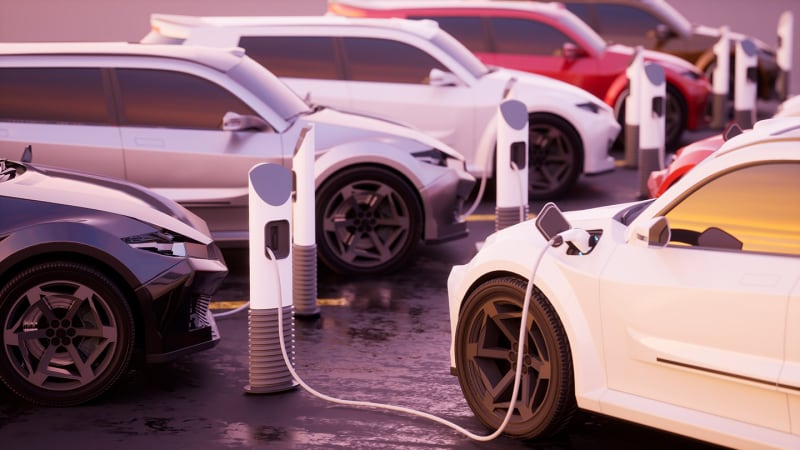
- Charging infrastructure: Availability of charging stations can vary by location. In some areas, finding convenient charging options may be challenging, impacting the practicality of owning an EV.
- Battery life: Over time, battery performance can degrade, affecting range and efficiency. Replacing a battery can be costly, so it may be helpful to consider battery warranties and potential future expenses.
Choosing the right EV for you
Selecting the right type of electric vehicle (EV) depends on your driving habits, environmental goals and infrastructure availability. Each type of EV offers unique benefits and challenges, making it important to assess which aligns best with your needs. Let’s breakdown some common EVs below in more detail:
- Battery-electric vehicles (BEVs): These are fully electric, relying solely on battery power for operation. They offer high efficiency and lower energy costs but require access to a reliable charging infrastructure. BEVs are ideal for those with short commutes or access to convenient charging options, providing a smooth and quiet driving experience.
- Plug-in hybrid electric vehicles (PHEVs): Partial electrification, such as plug-in hybrid PHEVs, combines electric motors with traditional gasoline engines. This offers flexibility in fuel sources and reduces emissions compared to fully gasoline-powered vehicles. PHEVs are versatile for various driving conditions, providing a balance between electric efficiency and gasoline range, but may involve higher maintenance costs due to their complex systems.
- Hydrogen fuel-cell electric vehicles (FCEVs): FCEVs use hydrogen to generate electricity, offering quick refueling times similar to gasoline vehicles. They provide a longer range than most BEVs, making them suitable for long-distance travelers. However, the limited availability of hydrogen refueling stations can restrict their practicality in certain regions.
The bottom line
Investing in an electric car involves weighing various pros and cons to determine the best fit for your lifestyle and needs. Electric vehicles offer environmental and cost-saving benefits, but potential buyers may want to consider factors like upfront costs, charging infrastructure and range limitations. By understanding these aspects, you can make an informed decision that aligns with your priorities and driving habits. Whether you choose a fully electric or partially electrified vehicle, the shift toward sustainable transportation can be a helpful step toward a cleaner, more efficient future.