New construction home phase inspections

This article is for educational purposes only. JPMorgan Chase Bank, N.A., does not offer construction loans. Any information described in this article may vary by lender.
Quick insights
- A new construction home inspection could help catch potential issues at key points: before the foundation is poured, before drywall is installed and near the end of the build.
- Costs for new build inspections may vary by location, size of the home, and number of phases you schedule; the cost is usually per inspection rather than a flat fee.
- New construction inspections focus on workmanship and systems, giving you another perspective on the quality of your new home.
Purchasing your first home can feel like one of life’s biggest accomplishments. Beyond excitement, the details you might not have thought about yet could be overwhelming. If you’re building a home, you may need new construction phase inspections.
Why are there phases of home inspections for new construction?
A single standard inspection at the end of a build does not tell the whole story. Phased inspections act as checkpoints while your home is being built. They let a private inspector check the framing, plumbing and wiring before the walls cover them up. The city will do its own basic checks for safety codes. However, hiring your own inspector makes sure the builder does high-quality work at every step. This catches problems early and gives you peace of mind.
Phased inspections are not always required on new construction. However, they can give you a closer look at how your home is being built before walls and finishes hide critical systems. Think of these inspections as checkpoints. Each phase of a new construction inspection focuses on different parts of the home, giving inspectors the opportunity to review work before it’s covered or completed.
Three phases of new construction inspections
The exact process can vary, but most new construction phase inspections happen at three key stages.
Phase 1: Pre-pour (before foundation)
This early home construction inspection takes place before the foundation is poured, when the site is fully visible. Small issues here could be harder to correct later, which is why this stage is important. Inspectors may look at:
- Soil grading and site preparation to help ensure water drains away from the home, not toward it
- Footings and reinforcement (like rebar) to confirm the foundation will have proper support and stability
- Depth and layout of the trenches to make sure they align with the home’s plans
- Early plumbing lines or conduit placement before concrete is poured over them
- Signs of standing water or poor compaction that could potentially affect the foundation over time
Phase 2: Frame / Pre-Drywall (Rough-in)
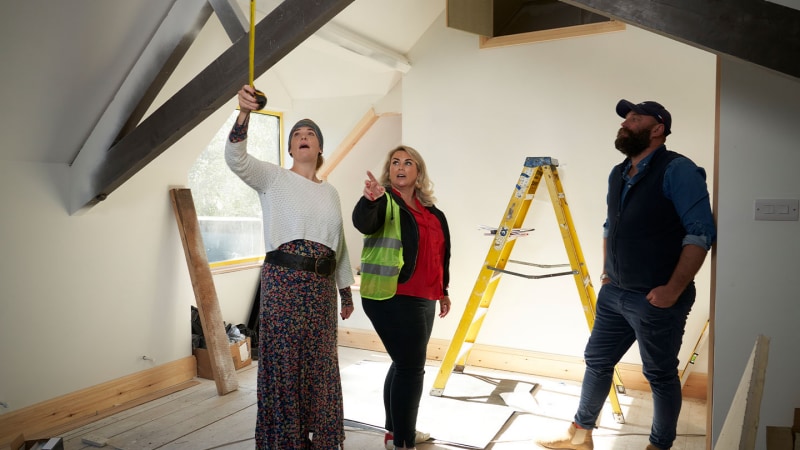
This phase occurs when the structure is built, but before insulation and drywall are installed. It’s often the only time you can clearly see what’s behind the walls. Inspectors typically look at the following:
- Structural framing to check alignment, spacing and overall support of walls, floors and roof systems
- Roof structure and sheathing to ensure proper installation and support
- Rough plumbing, including pipe placement, connections and functionality
- Electrical wiring for safety and functionality
- HVAC systems, including duct placement, airflow paths and vent connections
- Fire blocking, fasteners and connectors that help improve safety and structural integrity
- Window and door framing to confirm proper sizing and installation before sealing
Phase 3: Final inspection (Pre-move-in)
As the home nears completion, this new build inspection focuses on how everything functions together, as well as the overall quality of finishes. This stage is similar to a traditional home inspection but tailored to a newly built home. Inspectors usually look at:
- Plumbing fixtures, water pressure and drainage to confirm everything is working as expected
- HVAC system performance, including heating, cooling and thermostat function
- Electrical systems, outlets, switches and fixtures to ensure proper operation
- Interior finishes like flooring, cabinets, countertops, doors and trim for installation quality
- Windows and doors to check sealing, alignment and smooth operation
- Exterior elements such as roofing, siding, gutters and grading to help direct water away from the home
- Garage doors, appliances and other installed features to confirm functionality
How much does a phase inspection cost?
Costs for new construction phase inspections vary depending on the location, the size of the home and the number of phases scheduled. According to Habitation Investigation, the average cost of a new construction home inspection is between $300 and $450.
Inspectors often charge per phase, which could range from a few hundred dollars per visit to higher amounts for larger or more complex homes.
In summary
Building a home from the ground up can feel thrilling and intriguing, but it also comes with many moving parts that may be easy to overlook. That’s where new construction phase inspections can make a difference. These types of inspections give you the opportunity to check in on your new home at pivotal stages of the building process instead of waiting until everything is finished.
While home inspections on new construction are typically optional, they could offer peace of mind to help you better understand how your home is built and how its systems come together. From the foundation to the final walk-through, each new construction inspection provides another chance to spot potential concerns early. Each time, you can also have conversations with your builder before moving forward to the next construction phase.
If significant issues are found during inspections, your ability to proceed with the purchase or close your loan may be affected. Please discuss any concerns with your builder and your Chase Home Lending Advisor.
FAQs about phase inspections
Do phase inspections replace city or county inspections?
No, municipal inspections are required to ensure code compliance, while home construction inspections provide additional insight into quality workmanship. Private inspectors can identify rushed work, faulty installations, or structural issues.
Can a builder refuse a phase inspection?
Some builders may have rules about timing and access, so it’s a good idea to discuss new build inspections before signing a contract.
Are phase inspections mandatory?
They’re generally optional but highly recommended. Many first-time homebuyers find new construction phase inspections helpful because they allow early detection of problems.
What to do if issues are found?
Depending on your contract and builder cooperation, you may be able to request corrections before moving forward or closing, potentially avoiding larger issues in the future.
This article is for educational purposes only. JPMorgan Chase Bank, N.A., does not offer construction loans. Any information described in this article may vary by lender