Why you may want to start building your credit early

Quick insights
- Credit can colloquially refer to different concepts. For example, it may mean your credit history, which appears in your credit reports and contributes to your credit scores.
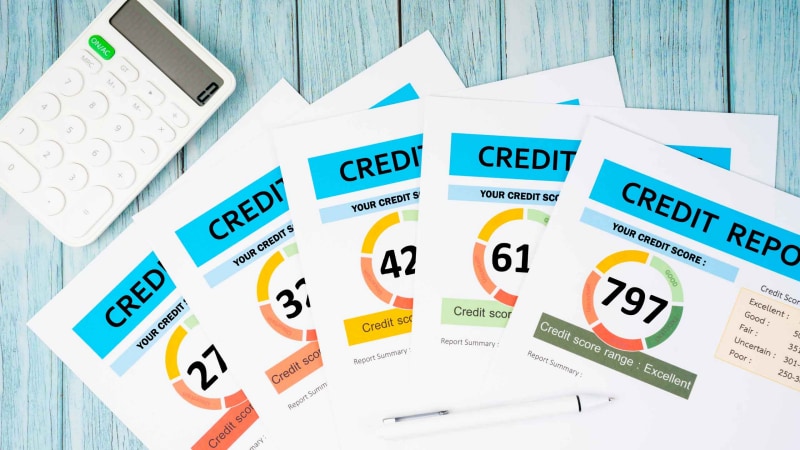
- Credit scores are a numerical representation of your creditworthiness, so lenders consider them when deciding on approvals and credit terms.
- Building credit early may benefit your future applications, as potential lenders will evaluate your credit history when making their decisions.
In finance, “credit” technically refers to the capacity or ability to borrow money with the promise to repay it later. In daily language, “credit” is often used more broadly to mean credit history, credit score or even a line of credit. Credit history appears on your credit report and contributes to your credit score, which is a numerical representation of your creditworthiness. Both credit history and credit scores are considered by lenders when deciding on approvals and credit terms.
So why is it important to build credit early, and how might you do that? This article will cover all that and more. Let’s dive in.
Introduction to credit
Credit reports and scores are used as a measure of someone’s creditworthiness. Lenders review them during lending decisions, to determine whether to approve an application and under what terms and conditions. In general, lower credit scores may mean higher risk for lenders, which can result in higher interest rates, shorter repayment periods and other, more unfavorable terms. Every applicant should take note that while important, your credit score is just one of several factors lenders take into account when approving credit.
Higher credit scores may signify responsible financial behaviors, potentially leading to more chances of approval and more favorable credit terms. This highlights one of the main reasons why having a longer and responsible credit history can be useful.
Some reasons why credit is important
Credit can be a useful tool for financial flexibility. It can offer consumers access to funds to afford big purchases or during emergencies and unexpected expenses.
Responsible credit use can unlock access to credit cards with rewards and cash back programs. Credit cards often offer incentives like points, miles or cashback on purchases, which can lead to savings when used strategically.
Building a strong credit history can also result in more favorable loan terms and interest rates. This can be important when trying to achieve financial goals, such as buying a house or investing in education, where credit can provide the necessary capital.
Credit may impact loan eligibility and borrowing terms, as lenders use credit scores to help assess lending risk. As mentioned earlier, higher credit scores may lead to more favorable loan terms, such as lower interest rates and higher borrowing limits.
Credit scores can also play a role in determining things like insurance premiums or rent approval, as insurance companies and landlords may evaluate applicant’s reliability through their credit scores.
Why is it important to build credit from a young age?
Creditworthiness can be a deciding factor when applying for credit products like a mortgage, auto loan, credit card or even getting approved for insurance or an apartment rental. With limited credit history, it can be difficult to get approved for credit cards, loans or other credit products. This is why building credit early can be helpful—so that when you need it, you already have a credit history that lenders can access via your credit reports or see reflected in your credit score.
Here are some other benefits to building credit early:
- Building credit early in life can help lay the foundation for long-term financial stability.
- Since some employers check credit history as part of the hiring process to evaluate an applicant's financial responsibility and reliability, a solid credit history can sometimes enhance job prospects—especially in fields where financial integrity is important.
- Establishing credit early may help foster financial discipline and responsibility, as managing credit requires regular payments and careful budgeting.
- Consumers with a credit history of ten years or more tend to have higher credit scores compared to those with shorter credit histories, according to the Consumer Financial Protection Bureau (CFPB).
- By building responsible credit early, individuals can benefit from a longer credit history, which is a key factor in credit scoring models. This can help lead to more opportunities over time.
How to get started building credit
Here are some ways to get started building credit in a positive way:
- Monitor your credit: Keeping an eye on your credit score can help you to make informed decisions. There are free online tools like Chase Credit Journey® that let you view your credit score for free and access educational resources to help you improve your score.
- Explore alternative credit-building options: Secured credit cards or becoming an authorized user on a family member’s card can be a way to start building credit. Note: Chase does not offer secured credit cards.
- Pay all your bills on time: This is an important one, since payment history is the largest factor making up your credit score.
- Keep your credit utilization low: The CFPB says keeping your credit utilization to 30% or below is best.
- Consider a starter card like Chase Freedom Rise®: Starter cards can help beginners start their credit-building journey and may come with benefits like low annual fees.
- Consider setting up automatic payments: This helps to ensure timely bill payments and avoid late fees.
Conclusion
Building credit early in life can help you establish a foundation of financial stability. Credit scores can help reflect creditworthiness and may impact credit approval rates and terms. Credit history can also affect job prospects, as some employers check credit history to evaluate applicant’s financial responsibility and reliability.
Credit is also an important part of accessing credit products like mortgages, auto loans, credit cards and more. And consumers with a longer credit history tend to have higher credit scores, as noted by the CFPB. This underscores the importance of starting early, as a longer credit history is a key factor in credit scoring models, ultimately leading to more opportunities over time.