A step-by-step guide to help college students build credit

Quick insights
- For students, building credit early could lead to more favorable loan or credit card terms in the future, though other factors play a role in lending decisions.
- Several pathways exist to help students build credit, including credit products designed for students or those with limited or no credit history.
- Strategies like making timely payments and keeping credit utilization low can help establish a positive credit history.
Entering college often marks a new chapter of independence, and with it comes the opportunity to shape your financial future. Think of building student credit like earning extra credit in a tough class—a little effort now may pay off later.
Our guide will cover how credit can impact your eligibility for credit products and some steps for building your credit.
Understanding why building credit for students matters
Establishing a credit history in college offers several potential financial benefits. While many factors go into lending decisions or credit approval, your credit score can impact the loan terms or interest rates you’re offered. As your score can influence how affordable it is to purchase a car or home, a higher credit score could potentially save you money in the long run. Landlords and some employers also consider credit scores, which is another reason why a positive credit history and good credit score can be advantageous.
Your credit history can indicate to lenders how responsible you are with managing money. For students, building credit now may lead to better conditions for future borrowing.
Initial steps for student credit building
College students can begin building credit through several methods, even with limited prior credit history. Here are some initial steps that may help establish a positive financial footprint:
- Becoming an authorized user: A parent or trusted guardian can add you to their existing credit card as an authorized user. The account's payment history may appear on your credit report and may be beneficial if the primary cardmember manages the account responsibly.
- Applying for a secured credit card: These cards require a security deposit, which typically becomes your credit limit. If payments are reported to the credit bureaus, the account will impact your credit score. Chase does not offer secured credit cards.
- Considering a credit-builder loan: This is a secured loan type that helps build credit by having you make fixed payments. Payments are reported to credit bureaus, and you receive the funds after repayment.
- Exploring starter or student credit cards: Many institutions offer cards tailored for students or other first-time credit card users, often with approval criteria that may be more lenient and credit limits that may be lower than traditional credit cards. You may want to consider credit cards with low annual fees and features supporting responsible use. While Chase offers starter credit cards, Chase does not offer student credit cards.
Student credit tips for responsible credit usage
Managing your credit card or loan wisely could be beneficial for students who want to build credit. Here are some tips that may help you establish a positive credit history:
- Paying on time: As your payment history impacts your credit score, it’s generally recommended to make at least the minimum payment by the due date.
- Keeping credit utilization low: Aim to keep your credit utilization (the percentage of total available credit that you’re currently using) ratio below 30%.
- Monitoring your spending: Charging only what you can afford to pay off in full each month can help manage costs. This may help prevent debt and interest charges.
- Avoiding opening too many accounts: Opening multiple new accounts at the same time can signal risk to lenders.
Common mistakes to avoid in student credit building
While building student credit offers many potential advantages, certain missteps can hinder progress and negatively impact your financial standing. Below, we’ve outlined some common pitfalls:
- Treating a credit card like free money can lead to overspending and debt.
- Carrying a balance from month to month typically results in interest charges, making purchases more expensive.
- Missing or late payments could damage your credit score and may lead to fees and higher interest rates.
- Maxing out your credit card negatively affects your credit utilization ratio, which indicates a high reliance on credit.
- Neglecting to regularly check your credit report for errors or unusual activity to ensure accuracy and dispute any errors that might be lowering your score.
Monitoring your credit progress
Regularly monitoring your progress can be helpful as you work to build your credit score. Here are some ways you can stay on track:
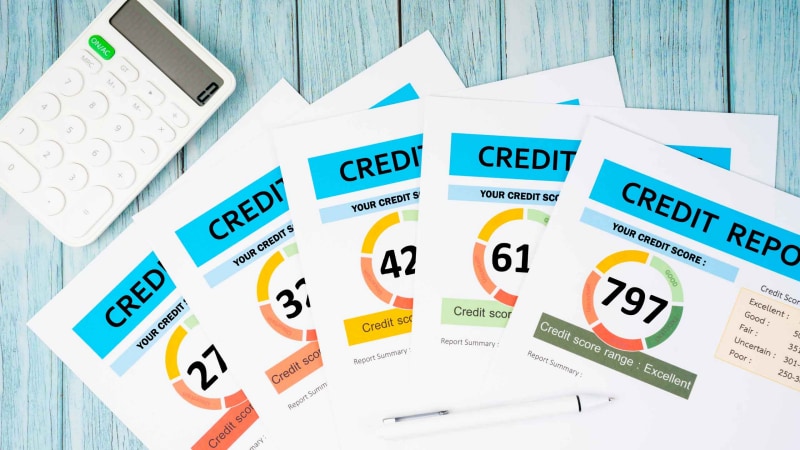
- Checking your credit report: You can get a free copy of your credit report annually from each major bureau. Review for inaccuracies or unusual activity and dispute any errors.
- Tracking your credit score: Many card companies offer free access to your credit score. Knowing what influences your credit score could help you make informed decisions.
- Setting financial goals: As you build credit, establish clear financial goals like saving for a car or graduate school. Goals provide motivation to maintain good credit habits.
- Learning about credit factors: Educate yourself on the five main factors of your credit score: payment history, amounts owed (including credit utilization—your balances compared with your available credit), length of credit history, new credit, and credit mix.
The bottom line
Building a strong credit foundation can set the stage for future milestones like better loan terms or access to certain credit cards. As you work to establish your credit, you may want to consider credit products tailored to college students or those new to credit like credit-builder loans or starter, secured or student credit cards.
Using these products wisely could positively impact your credit score. Understanding the factors that influence your score may help you take steps toward improving it. Additionally, it’s generally recommended to monitor your credit report so that you can stay on track with your financial goals.