Trading in a car vs. selling: Pros and cons

Quick insights
- Trading in your car can be a simple, fast transaction with potential tax benefits, while a private sale typically yields a higher price and demands more personal time and effort.
- The trade-in process can be completed more quickly at a dealership, whereas selling privately involves multiple steps like cleaning, advertising and negotiating, which can extend over weeks.
- In many states, trading in a vehicle may allow you to pay sales tax only on the difference between your new car's price and your trade-in's value, potentially saving you money.
The choice between trading vs. selling your car is a significant one, impacting both your wallet and your peace of mind. Understanding the nuances of each option may empower you to make an informed decision that best suits your needs and goals. This is a common crossroad for many car owners. Let's explore your options to help you drive away with confidence.
Trading in vs. selling a car: understanding the basics
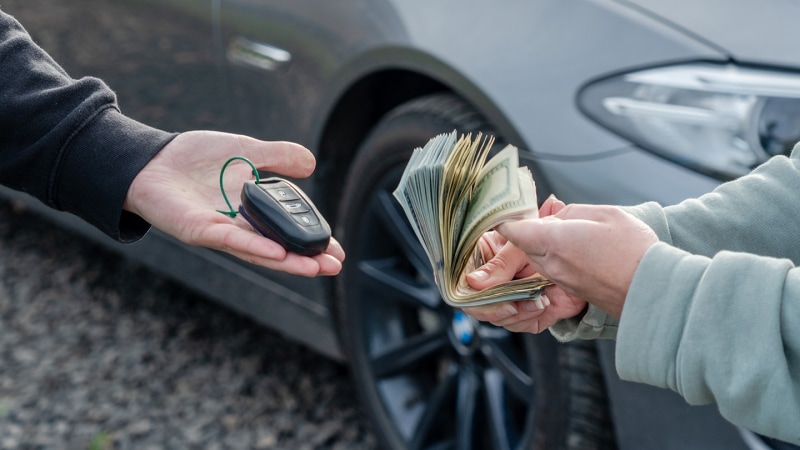
When considering how to part with your vehicle, a few options emerge: trading it in at a dealership or conducting a private sale. Each path affects convenience, financial outcome and effort.
A trade-in involves selling your car directly to a dealership, often when purchasing a new vehicle. This typically streamlines the transaction, making it relatively quick and straightforward.
Conversely, a private sale means handling every aspect of selling your car directly with another individual. This approach offers greater control over the price but may require more involvement in preparing, marketing and negotiating. Understanding these differences can be helpful when making an informed decision.
The convenience of trading in a car
Trading in your vehicle at a dealership is a favored option for those prioritizing ease and speed, as the dealership handles most of the heavy lifting. Let’s take a closer look:
- Streamlined process: The dealership manages all paperwork, including title transfers and settling any outstanding loan balances. This removes the complexity and potential for errors often faced in private transactions.
- Time efficiency: Trading in allows you to dispose of your old car and acquire a new one quickly, often in a single visit. This helps avoid the extended periods of waiting that can accompany a private sale.
- Reduced hassle: You eliminate the need to clean your car for showings, create advertisements or engage in continuous communication with prospective buyers. The dealership takes responsibility for these tasks, saving you the time and personal effort.
- Safety and security: Trading in mitigates the risks associated with meeting unfamiliar individuals for test drives or handling payments from unknown parties. Dealerships operate in a regulated environment, offering a secure transactional experience.
The advantages of a private sale
Opting for a private sale often demands more personal effort, but it also carries the potential for a higher financial return for your vehicle. This method can be attractive if you are not pressed for time and are comfortable managing the entire sales process yourself.
- Higher selling price: Individuals generally receive more for their car through a private sale compared to a dealership trade-in offer. This financial advantage is often the strongest motivation for choosing this route.
- Control over negotiations: As the seller, you maintain full control over setting the asking price and directly negotiating terms with interested buyers. This flexibility helps you to aim for your desired selling price.
- No new purchase obligation: Selling your car privately does not obligate you to purchase another vehicle immediately from the buyer. This offers greater freedom and less pressure than a trade-in tied to a new purchase.
- Maximized value for unique cars: For vehicles with distinct features, specialty modifications or those in high demand, selling privately allows you to reach a specific audience. This can ensure a more accurate valuation than a dealership might offer.
Is it better to trade in or sell?
Deciding whether is it better to trade in or sell privately involves a careful consideration of your personal priorities and circumstances. There is no universally correct answer, as the choice depends on what you value most: immediate financial gain, convenience or a balance of both. For individuals who prioritize saving time and avoiding stress, a trade-in at a dealership often presents the more appealing option.
If maximizing the monetary return on your vehicle is the main concern and you have both the time and willingness to manage the complexities of a private transaction, selling it yourself generally offers a better chance of achieving a higher price. Ultimately, the "better" option is the one that best aligns with your specific needs, financial goals and time.
Do you get more for trade-in or selling? Financial perspectives
When deciding between trading in or selling, consider the full financial picture beyond the initial offer. Private sales typically yield a higher price, but trade-ins can offer financial advantages, such as the sales tax benefits in many states. You often pay sales tax only on the difference between the new vehicle's price and your trade-in allowance, resulting in immediate savings.
Private sales may incur costs that erode the higher price, such as advertising, detailing or repairs. These expenses, combined with lost tax savings, can narrow the financial gap between a private sale and a trade-in.
Maximizing your car's value
Regardless of whether you choose to trade in or sell car, here are some steps you can take to enhance your vehicle's appeal and maximize its value:
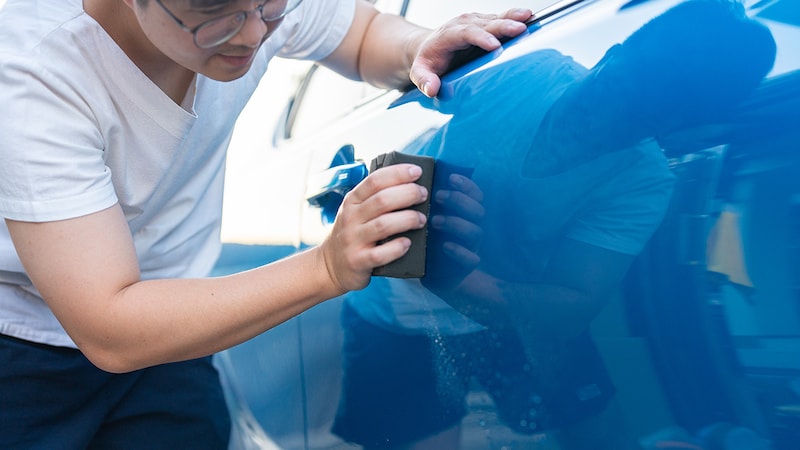
- Thorough cleaning and detailing: A meticulously clean car, both inside and out, signals that the vehicle has been well-cared for and maintained. Consider professional detailing to address any odors, stains or dull exterior finishes. You may also want to consider removing bumper stickers or other accessories.
- Address minor repairs: Fixing small, visible issues like minor dents, scratches or cloudy headlights can improve your car's appeal. Addressing inexpensive fixes can make your car more attractive to buyers or appraisers.
- Maintain comprehensive records: A complete service history demonstrates consistent upkeep and can inspire confidence in potential buyers or appraisers. Keep records of all oil changes, tire rotations, brake work and other maintenance.
The bottom line
The decision to trade in or sell car ultimately hinges on your individual priorities, balancing convenience, profit and peace of mind. While a private sale offers a potentially higher payout, it demands a substantial investment of time and may carry increased personal risk. Trading in provides a quicker, hassle-free process with potential sales tax savings, even if the cash offer might be lower. By carefully considering these points and preparing your vehicle, you can more confidently navigate the process of parting with your current car and move forward with your auto plans.