How to reserve a car at a dealership

Quick insights
- Reserving a vehicle may give you time to finalize your financing or arrange a test drive without worrying about another buyer purchasing it.
- Sellers might ask for a refundable fee to take the vehicle off the market temporarily.
- Understanding the specific terms of a hold agreement may help protect your money and prevent misunderstandings.
Securing your ideal vehicle sometimes means acting quickly once you find it. For example, you may want to ask a car dealership to hold a car for you so that you can reserve time to test drive and have time exploring it. Let’s explore how to hold a car and how it could help you call dibs before another shopper swoops in.
Can a dealership hold a car for you?
You may wonder if a dealership will hold a car for you when you find a model you like but are not quite ready to sign the paperwork. Some sellers could agree to pause the sale for a serious buyer, which might allow you to secure financing or schedule a mechanic inspection without the pressure of a ticking clock. However, this courtesy is not necessarily an automatic guarantee.
A dealer reserve policy could depend heavily on the management team and the current demand for that vehicle. If a car seems highly sought after, the sales manager might prefer to keep it available for the first person who is ready to buy. To increase your chances of reserving a car, you may wish to communicate your clear intent to purchase and provide proof of a preapproved auto loan.
How long will a dealership hold a car?
The length of time a car dealership holds a car could depend on the individual business and the specific agreement you negotiate. Here are some common timeframes:
- 24-hour holds: Sales teams may offer a one-day grace period for you to sleep on the decision. This brief window could give you enough time to discuss the purchase with your family or review your budget.
- Weekend reservations: If you visit the lot on a Friday evening, the staff might agree to keep the vehicle reserved for you until Monday morning.
- Extended transit holds: Buyers traveling from out of state could potentially negotiate a hold lasting several days. The seller may ask for proof of your travel arrangements before agreeing to take the car off the market for that long.
- In-transit vehicle reservations: You can sometimes reserve a car that has not yet arrived at the local lot. These agreements might last for several weeks while the vehicle is shipped from the factory.
Do you have to put down a deposit to reserve a car?
Putting a deposit on a car may be the dealership’s standard method for securing a longer hold. This financial commitment could show the seller that you are serious about moving forward with the transaction. The amount requested can vary.
If you decide to proceed with the purchase, the initial payment may be applied directly to your down payment.
Steps for holding a vehicle successfully
Learning how to reserve a car at a dealership can help you avoid miscommunication and preserve the car that you’re interested in purchasing. Following a few of these steps may make the process smoother:
- Clarify the terms: You might want to ask the sales representative to explain exactly what the reservation entails. Understanding whether the car might be physically moved off the lot or simply marked as pending can prevent another buyer from test driving it.
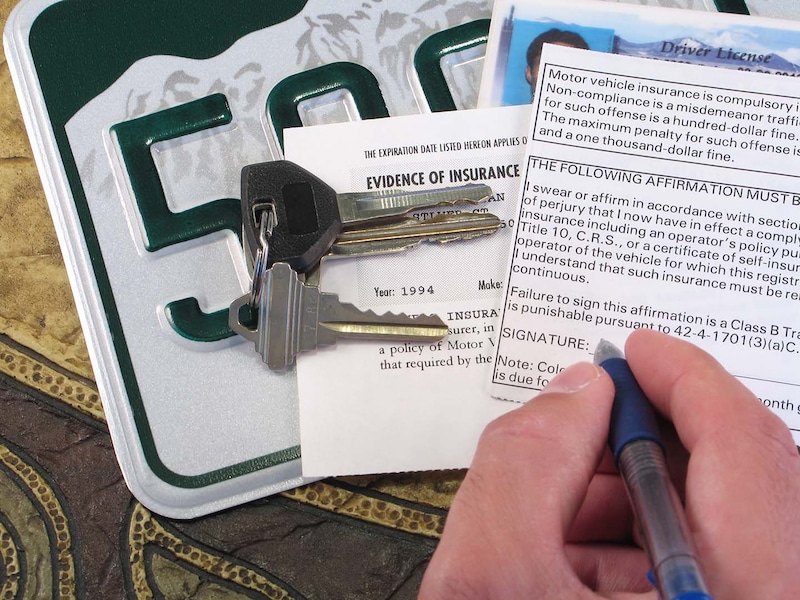
- Get everything in writing: Requesting a signed document that outlines the hold duration and refund policy can be helpful. This paperwork may serve as your official receipt and could protect your rights as a consumer.
- Use a credit card: Paying your hold fee with a credit card may offer additional fraud protection compared to cash or a debit card. You may be able to dispute the charge as a cardholder if the business refuses to honor their written refund policy.
- Schedule your follow-up: Setting a firm appointment to return and finalize the paperwork may show respect for the seller's time. Arriving promptly for this meeting can help keep the dealer reserve status active.
The bottom line
Reserving a car at a dealership could give you more time and less pressure when shopping for your next vehicle. By communicating clearly and securing your agreement in writing, you may evaluate your options without the fear of losing your ideal ride. Knowing how to hold a car properly might help make your shopping experience smoother.