
Where to Stay, Eat and Explore in Cartagena With Your Family


Chase Travel experts explore the world to help you find the perfect destination for every situation. Plan your trip to Cartagena and get inspired with more curated guides and itineraries.
The first time I visited Cartagena de Indias—the walled port city on Colombia’s Caribbean coast—was in 2006, a surprise trip for my husband’s 25th birthday. Fast-forward 18 years and I returned for a second go, this time with our 2.5-year-old son, Julian, in tow. Colombia was the final stop on our 14-country, 88-day mother-son trip around the world. It was a place I had longed to revisit and was excited to experience anew with him.
In the nearly two decades I’d been away, much had changed: There’s a skyline now, for one, and the population has ballooned to approximately 1.2 million. But in the ways that matter, Cartagena felt almost exactly the same: The imposing fort remained the best place to catch a tangerine sunset. Spanish colonial doors with knockers the size of house cats dotted every street. Music drifted from open windows and rooftops. And the locals were as warm as ever, perhaps even more so now that I had a toddler by my side.
To think some families still skip Colombia because of outdated assumptions about safety feels like a missed opportunity. Cartagena is vibrant, welcoming and wonderfully kid-friendly. What follows is everything you need to know to experience it for yourself.
The Main Attractions
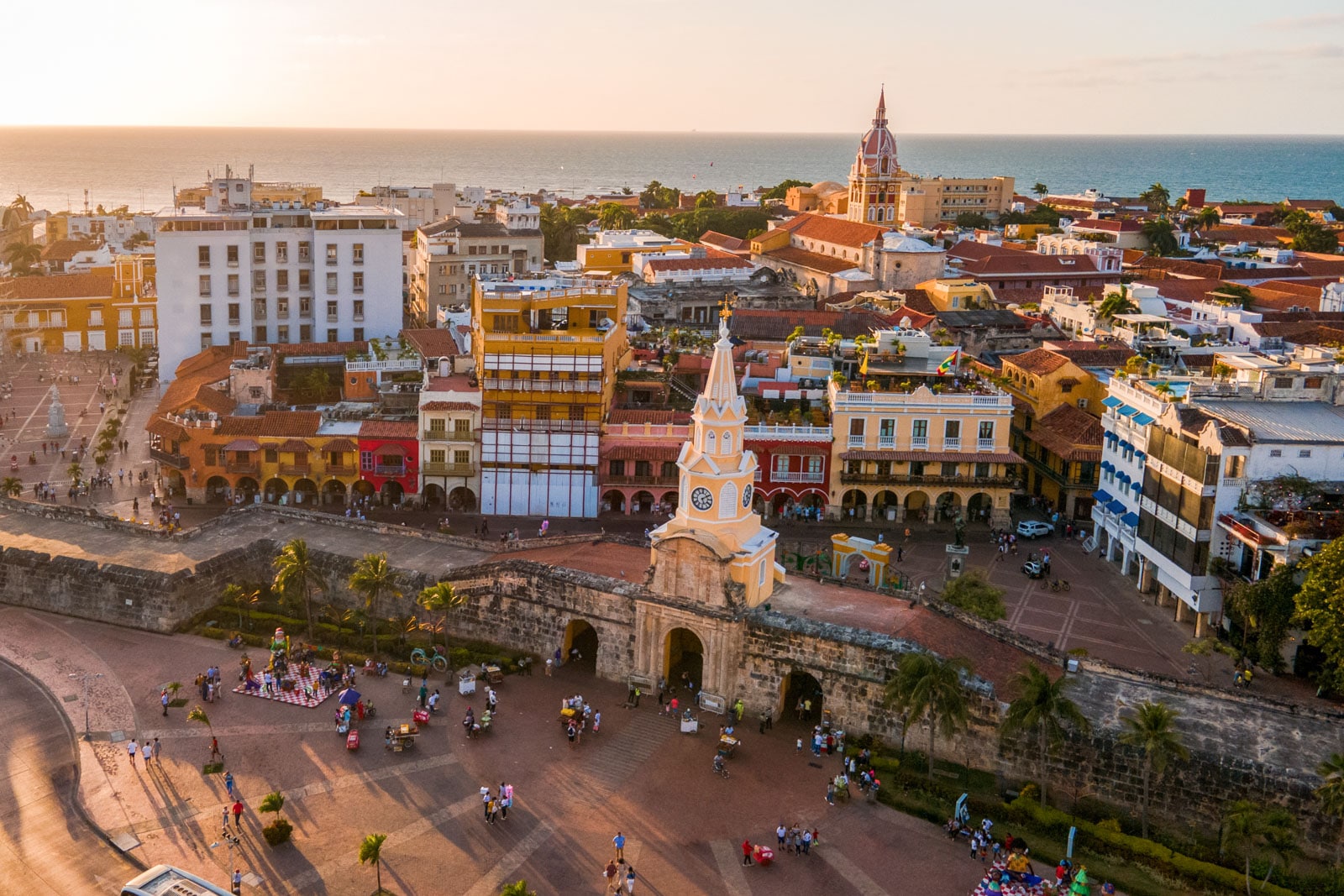
Full of history and culture, Cartagena is a wonderfully kid-friendly city.
Get a Feel for Colombian History and Culture
Take the kids to Castillo de San Felipe de Barajas, the 17th-century hilltop fortress built by the Spanish to defend Cartagena from pirates and invading fleets; its ramparts, tunnels and sweeping city views are catnip for young adventurers. Also prime for children: Plaza de Bolívar, where tourists and locals mingle under the shade of palm trees, and costumed champeta dancers and drummers often take over the square, turning it into an impromptu stage. My son was riveted—spinning, stomping and soaking up every beat.
Explore Local Flavors
A cooking class is one of the easiest (and most fun) ways to explore Colombian flavors. At Cartagena Cooking School, chefs like Romario Acosta, an expert in Colombian and Caribbean cuisines, lead lively classes that range from traditional cooking lessons to Bazurto Market tours, with vegetarian, vegan and gluten-free options available. Julian and I joined chef Acosta for an exotic fruit and chocolate tasting that introduced us to passion fruit, lulo, dragon fruit and other tropical delights—and, no surprise, my son practically inhaled the Colombian drinking chocolates. Whether you book a full market tour and cooking class or a quicker tasting session, it’s a joyful way to connect with the country’s ingredients.
Make the Museum Rounds
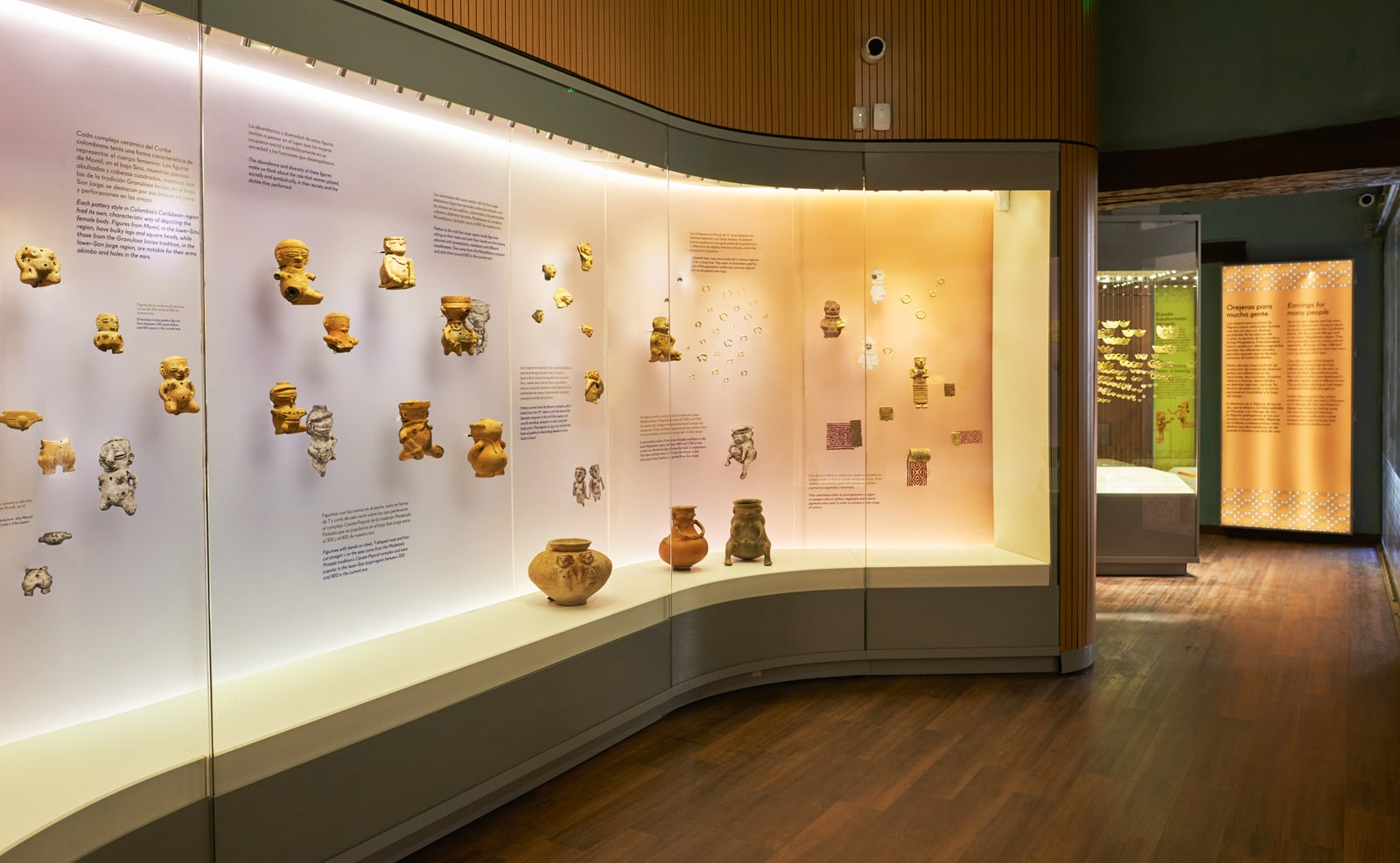
The Museo del Oro Zenú highlights the intricate metalwork, pottery and engineering prowess of the Zenú people. (Photo courtesy of Clark Manuel Rodríguez Bernal/Banco de la República de Colombia)
If you want a quick dose of culture, check out some of the city’s small but rewarding museums: The Museo de Arte Moderno de Cartagena, housed in a pair of 17th- and 19th-century stone warehouses, showcases Colombian and Caribbean contemporary art; kids tend to gravitate toward the bold, graphic works of masters like Alejandro Obregón. A short walk away, the Museo del Oro Zenú offers a look at the intricate metalwork, pottery and engineering prowess of the Zenú people, including models of their remarkable pre-Hispanic canal systems. Both collections are compact and easy to navigate, making them ideal for short attention spans.
Plan a Side Trip
Many travelers use Cartagena as a jumping-off point for the Rosario Islands, part of a protected national park scattered with heavenly white-sand beaches, clear turquoise shallows and some of the best snorkeling on Colombia’s Caribbean coast. Families can book a private boat or join a small-group tour to spend the day swimming over coral gardens, spotting parrotfish and angelfish, or playing castaway on lush islets like Isla del Pirata or Isla Grande.
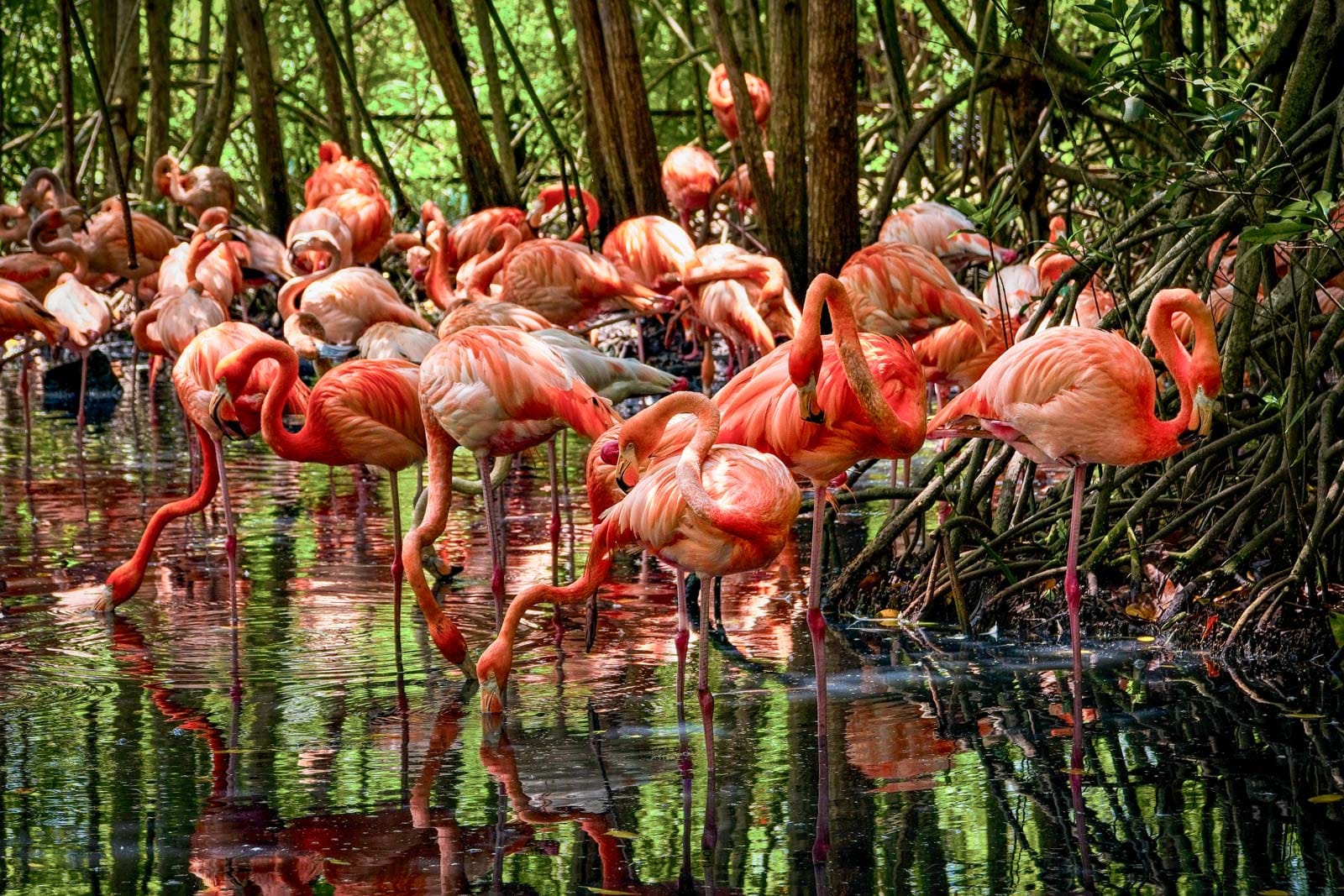
Don’t miss the flamingos in the 17-acre Aviario Nacional de Colombia refuge.
Less than an hour’s drive from Cartagena, on the island of Barú, sits the largest aviary in South America. Aviario Nacional de Colombia is a 17-acre refuge carved up into three ecosystems—tropical rainforest, coastal zone and desert—and it’s home to more than 1,700 birds representing around 170 species. Iguanas roam freely, and walkways weave through habitats filled with Andean condors, egrets, owls, flamingos, macaws and toucans. But it was a king vulture (so ugly he was cute) that most captivated my son’s imagination.
For an undeniably memorable experience, consider a visit to the Totumo Mud Volcano, a 50-foot-tall cone brimming with warm, mineral-rich volcanic mud where visitors climb inside for a buoyant soak. Kids love the sensation of floating in a mud pit, while parents appreciate the low-stakes absurdity and great photo ops. Fair warning: It gets very crowded, and at peak times you may find yourself packed shoulder to shoulder with strangers, which isn’t for everyone (especially germaphobe parents). Post-soak, locals help rinse you in the adjacent lagoon before you towel off and head back to Cartagena.
Where to Eat
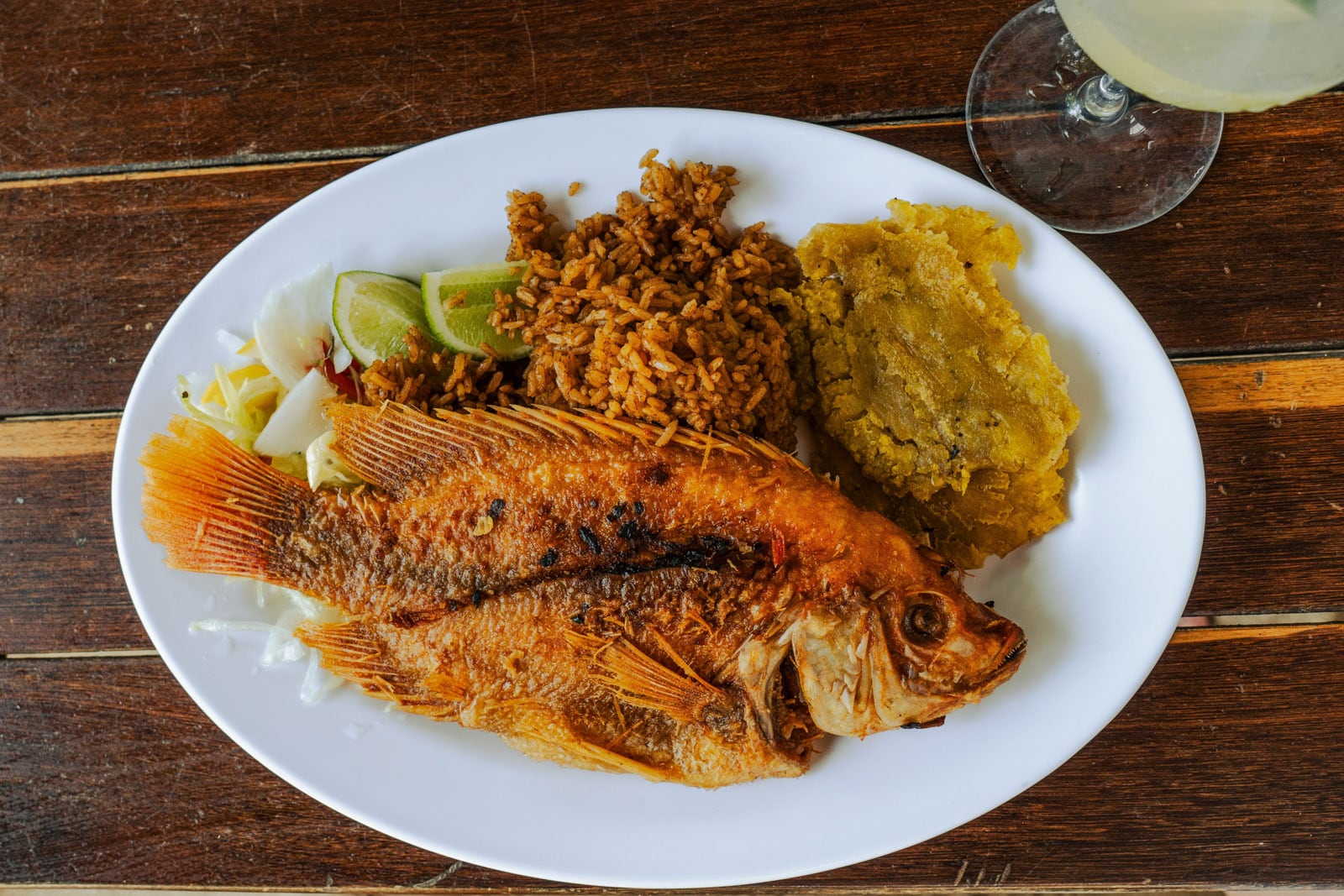
Must-try meals in Cartagena range from whole fried snapper to slow-braised beef.
Andrés Carne de Res
For sit-down meals, Andrés Carne de Res delivers the same theatrical, neon-splashed chaos as the original near Bogotá, with massive platters of grilled meats and the kind of all-ages party atmosphere that keeps kids enthralled well after bedtime.
Juan del Mar
Juan del Mar is a walled-city institution—go for whole fried snapper with coconut sauce and the whitefish ceviche in zingy ginger vinegar, plus the nightly live music that spills into the plaza.
La Mulata
At La Mulata, locals line up for homey fare like posta negra (slow-braised beef in a panela glaze) and generous value lunches, all served in a cheerful art- and memorabilia-packed dining room.
Los Fritos de Dora
When you need something fast and unfussy, join the queue at Los Fritos de Dora, a street-food favorite since 1965 known for its arepas de huevo (cornmeal patties deep-fried with an egg inside), carimañola croquettes stuffed with seasoned meat, and other fried snacks.
La Palettería
For a sweet treat between sights, La Palettería is the move: fruit-packed paletas in flavors like passion fruit, coconut and mango.
Where to Stay
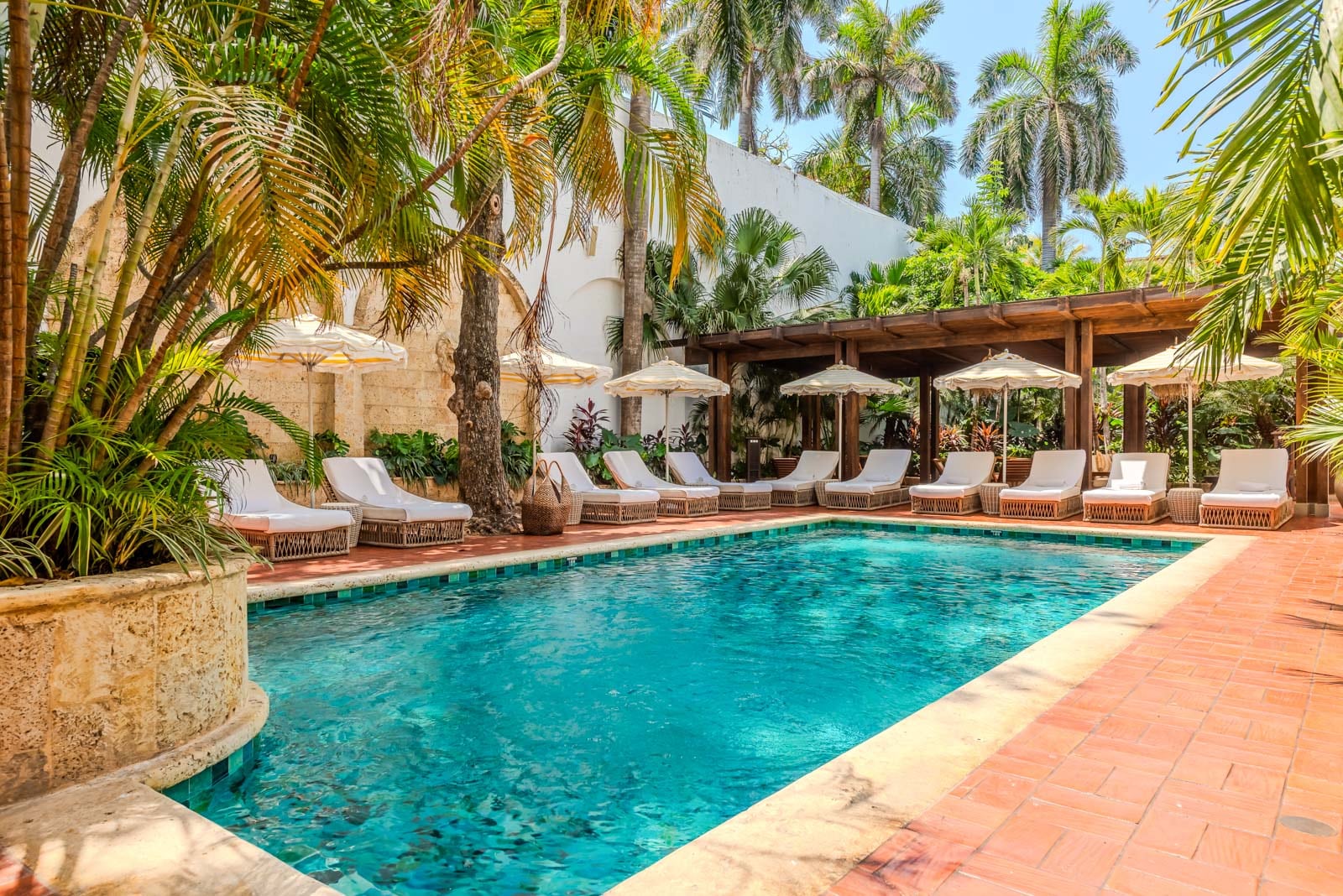
The serene courtyard pool at Casa Pestagua is a balm on humid afternoons. (Photo courtesy of Casa Pestagua)
Cartagena’s historic walled city is packed with places to stay, but these standouts blend character, comfort and thoughtful perks for families.
Sofitel Legend Santa Clara Cartagena
Member of The Edit by Chase Travel
Among the myriad selling points of this 17th-century convent turned full-service luxury hotel is its palm-fringed, resort-style pool; a stellar spa with a fitness center and hammam; and five restaurants and bars, including a leafy garden café and the award-winning 1621 Restaurant. Some rooms have balconies or private terraces, and the butler-serviced specialty suites are destinations unto themselves: The Legend showcases Colombian artistry through Hechizoo textiles and colorful silk screens, while the Presidential Suite Botero offers art by the master himself.
Casa Pestagua
Member of The Edit by Chase Travel
Set in a restored colonial palace with elegant Moorish details, this Relais & Châteaux diamond feels both refined and genuinely family-friendly. Its central location makes exploring the Old City a breeze, and the serene courtyard pool is a balm on humid afternoons. Attentive staff dote on kids, and the made-to-order breakfasts with savory arepas and kaleidoscopic plates of fruit were among the best we had on our entire trip.
The sister property to Casa Pestagua, this hotel channels a similar boutique feel with its lofty timber ceilings, peeling frescoes and light-flooded salons. Families can choose from five categories of rooms and suites, including a duplex with private terraces and a hot tub, giving everyone room to recharge after a long day. What sets this hotel apart is its outstanding spa and Alma, a destination restaurant beloved by both hotel guests as well as locals.
Booking With Chase Travel
Chase Travel is the first stop for your next adventure. At chasetravel.com and via the Chase Mobile® app, eligible cardmembers can earn and redeem points for hotels, flights, activities, rental cars and more.
Select cardmembers receive accelerated points earning or cash back when booking through Chase Travel, and Chase Sapphire Reserve cardmembers will earn 8x points per dollar on Chase Travel purchases, including hotel stays booked through The Edit by Chase Travel®. Sapphire Reserve cardmembers who book through The Edit will also receive special benefits including daily breakfast for two and a $100 property credit, along with early check-in, late checkout and a room upgrade. Some benefits are subject to availability and vary by property.
Looking for inspiration? Eligible Chase cardmembers can explore hotel reviews and editor-curated guides at chasetravel.com.
For Informational/Educational Purposes: The views expressed in this article may differ from other employees and departments of JPMorgan Chase & Co. Views and strategies described may not be appropriate for everyone, and are not intended as specific advice/recommendation for any individual. Chase is not responsible for, and does not provide or endorse third party products, services or other content. You should carefully consider your needs and objectives before making any decisions, and consult the appropriate professional(s). Outlooks and past performance are not guarantees of future results. Participants may be compensated.