
Why Chef Andy Baraghani Keeps Returning to Spain’s Basque Country

With Sapphire Reserve, travel is even more rewarding. In the latest issue of our travel magazine, learn how eligible cardmembers can get the most out of their benefits and earn 8x points on flights, hotels, local activities and more when booking through Chase Travel.
The first time I came to the Basque Country I was 25. Fresh out of cooking in restaurant kitchens, I was hungry, literally and figuratively, running after smoke and foam and whatever counted as “next.” Every menu felt like it was written in a code I wanted to crack.
Last summer, a decade later, I went back, this time with company. It took 10 years not because of neglect so much as speed: years of kitchens, writing work and new destinations kept pushing another visit further down the list.
Planning my overdue comeback, I wasn’t trying to relive the past, but rather to test the food, and what had shifted in me. This time, I wasn’t looking for the latest trick. I was looking for the things that make me happiest as a cook: fire, eggs, bread, salt, time. The basics done perfectly.
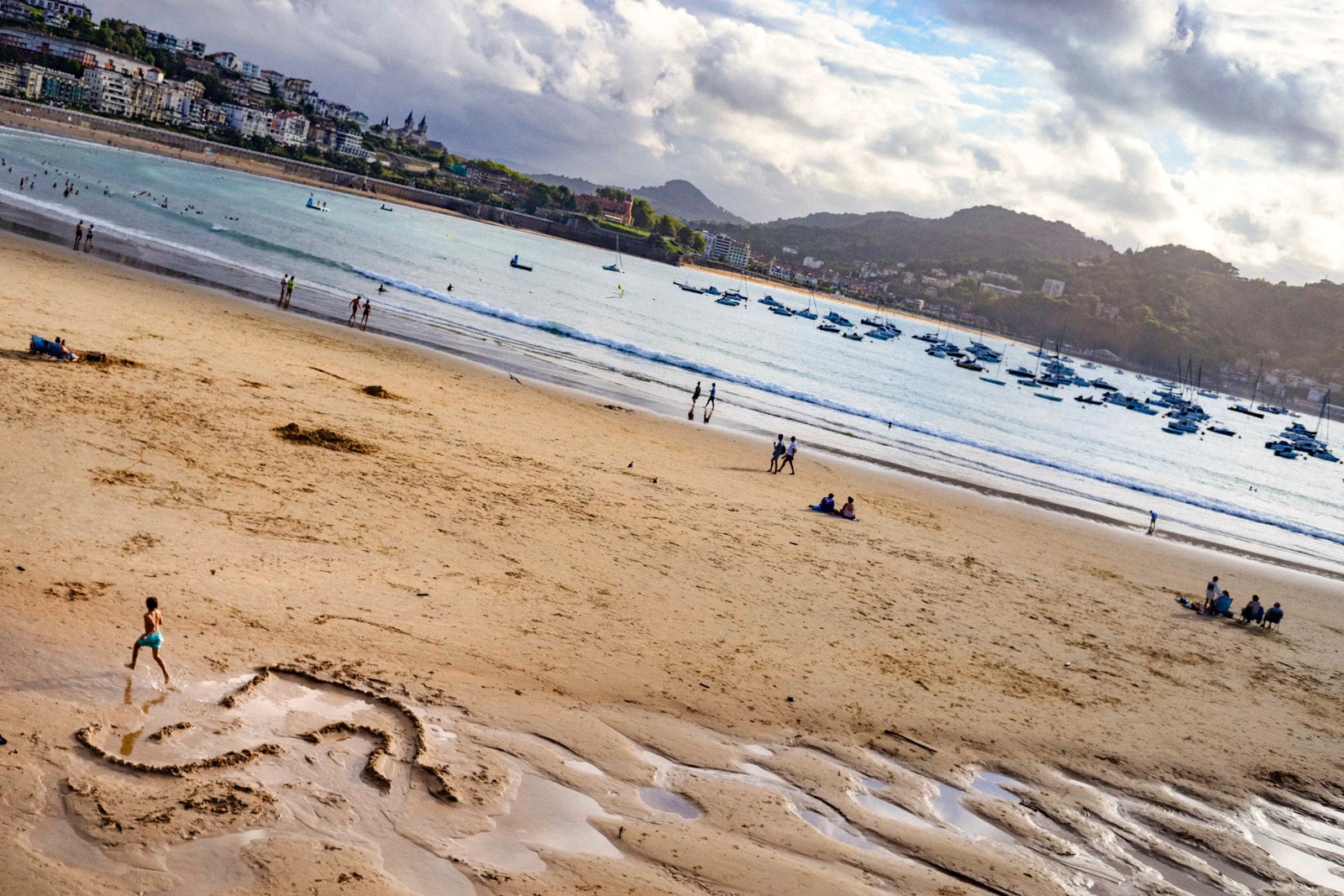
The city of San Sebastián is known for its shell-shaped bay.
Land hungry, feast immediately
I landed in Madrid before sunrise, caught a quick flight north and killed an hour in the arrivals lot waiting for a taxi to wind me along the coastal roads toward San Sebastián. By the time I finally rolled into Getaria, running on little more than airport coffee and the promise of lunch, I was ready for a long meal.
The Basque Country runs for over 100 miles along the Bay of Biscay, from the southwestern corner of France down to Cantabria, but it feels bigger than that—dense, with green hills that tumble into cold water, narrow streets and a pace that ignores your itinerary. You could spend three days here and feel satisfied, or a week and still leave wanting more. It’s a trip for people chasing something—a perfect wave, a perfect hike, a perfect anchovy—and, if you’re lucky, a perfect meal.
For me, that meal was at Elkano, an unassuming restaurant tucked into a fishing village that smells like seawater and char. Plan ahead if you want to secure a table—Elkano closes on Sundays and Mondays and books up quickly, especially in peak season, which runs from late May through early September.
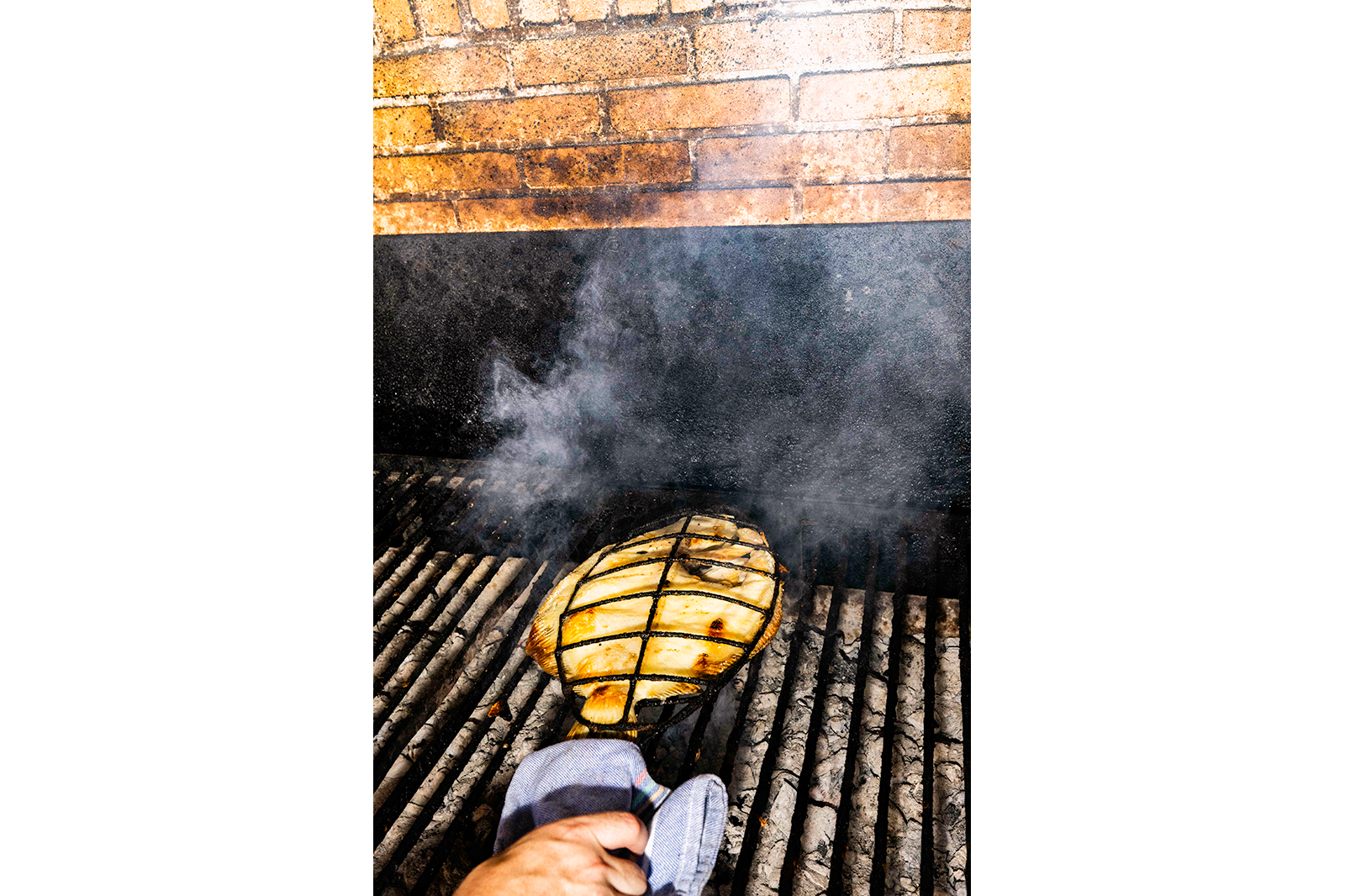
People come for the turbot. They should. It arrives whole, blistered, shimmering with its own fat and grilled until the skin is half crackle, half lacquer. This is food you can’t "just do at home," unless your home has an asador with an open wood fire. Kokotxas, or hake throats, come three ways—egg-battered, grilled and with pil pil sauce—each preparation like a different octave of the same voice. Alongside, there are chanterelles, just barely kissed by flame, and spiny lobster, dressed unapologetically in the sweetness of its own head.
Still buzzing from lunch, I drove until the road tipped toward the water, then pulled over and walked into the Bay of Biscay. No towel, no plan. The shock of the cold was the only reasonable way to follow a lunch that had left me dazed, not heavy, just slowed down with a wide grin.
That evening, I checked in at Hotel Maria Cristina, a Luxury Collection Hotel, San Sebastian, a grande dame set along the Urumea River in Centro. It’s close enough to wander into Old Town for a late-night meal, but just far enough that you wake up to quiet instead of clattering glasses. A proper base camp, it’s elegant, convenient and just removed enough when you want it to be.
Wake up to a tortilla worth standing for
There are tortillas, and then there is this tortilla. At Antonio Bar, the tortilla de patatas is made in bulk, with 34 eggs, six kilos of Elodie potatoes, two kilos of onions and a kilo of peppers. The potatoes are fried three times and the onions reduced to the edge of jam, all of it folded into eggs and flipped in a pan so hot it seals the outside while the middle stays molten. Served warm, it oozes like lava.
You’ll know you’re close before you see it—the smell of sweet onions and oil hits you from the sidewalk. Inside, it can get quite packed, so expect to be standing. Order a coffee and try not to burn your tongue as you stand shoulder to shoulder with locals cycling in and out. You’ll eventually see crumpled napkins collect on the floor.
A younger me would’ve dismissed it as too simple. Now, I know better. Simplicity done perfectly is the hardest trick of all.
Snack, sip and move
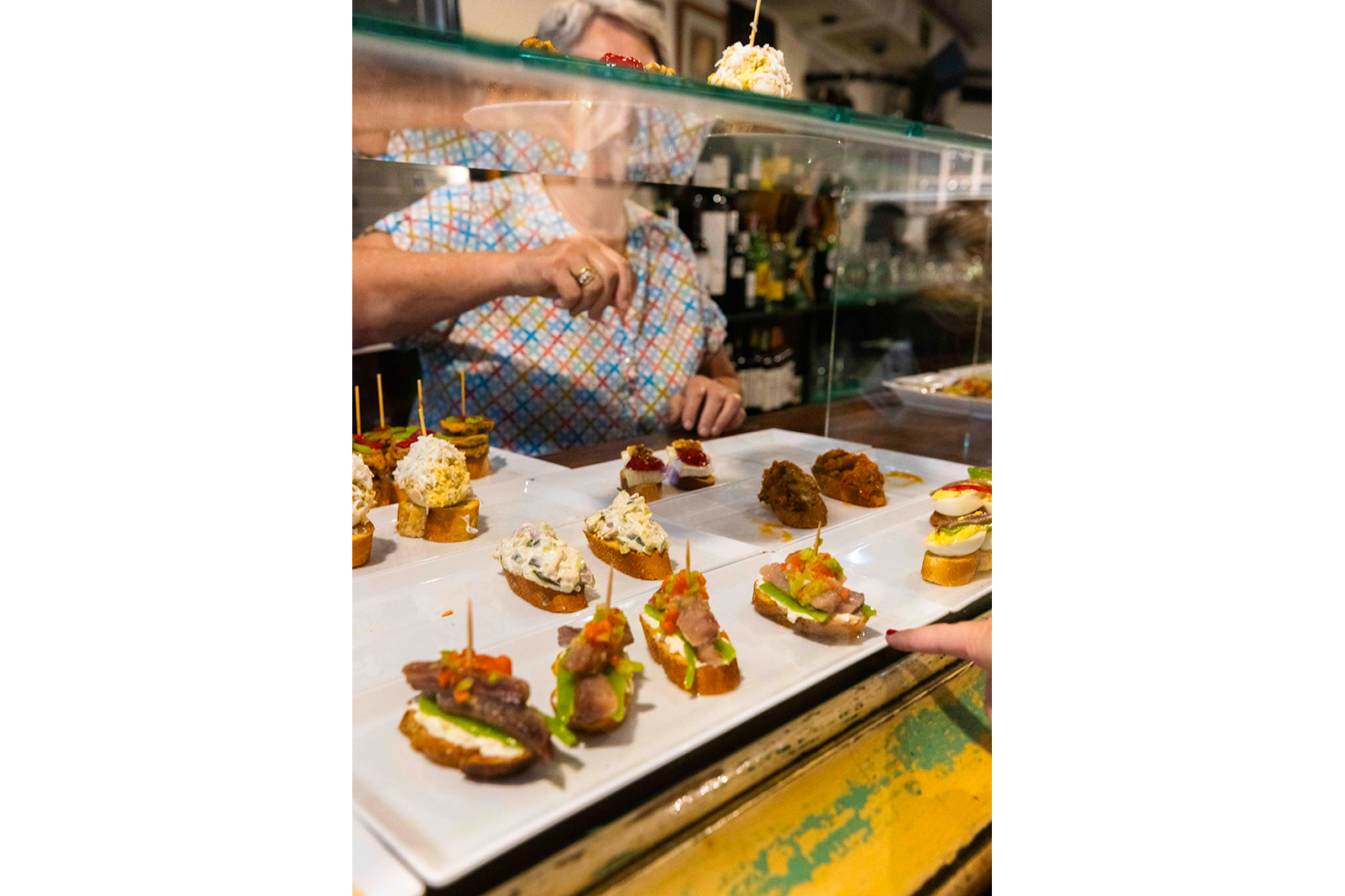
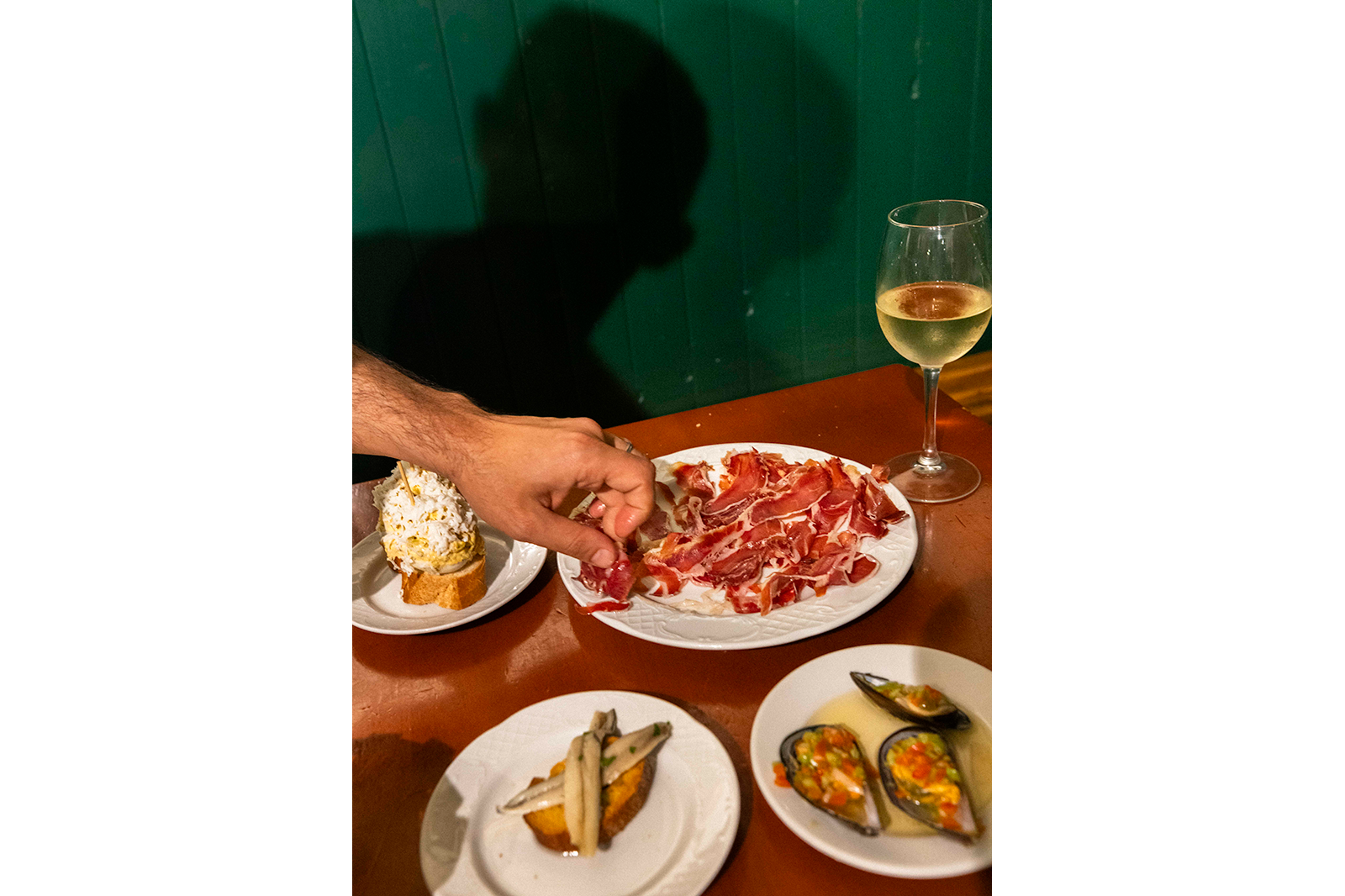
A great snack tour is as much choreography as it is cuisine. You shuffle from bar to bar, pintxo to pintxo (the Basque answer to tapas, though pintxo literally means “spike,” a nod to the toothpicks that often hold these small bites together), elbow grazing elbow. Txakoli, the local lightly sparkling white wine, froths high into tumblers, bright and briny and meant to be drunk fast. Bartenders pour with one hand, take cash with the other, never breaking rhythm.
The beauty of the crawl is how little you have to think. Point. Eat. Move. Between bites, you start to notice the unselfconsciousness of it all. Voices overlap in a dozen registers. No one is photographing their food here because it’s just lunch—messy, generous and absolutely wonderful.
Start at Tamboril, where the pimiento relleno de bonito—a sweet red pepper stuffed with tuna—is soft, savory and gone in two bites. From there, slip into Casa UrolaOpens overlay for a deeply crusted seared scallop topped with fried seaweed, its sweetness offset by a cool drizzle of ajoblanco and coffee vinaigrette, or a plate of sautéed green beans tangled with tomato, jamón, cod and black olives.
If you’re lucky, you’ll stumble onto Etxebe Taberna, a tiny, timeworn bar. The chalkboard menu hasn’t changed in years, and the white-bearded owner keeps hours that are more suggestion than schedule. Order the eggs on toast: yolks mashed with tuna and olives, topped with finely grated whites, served over bread that manages to be both crisp and cushiony.
Bar TxepetxaOpens overlay is an anchovy shrine. Two fish-shaped display boards list the offerings—one for marinated anchovy pintxos, another for hot ones. Go for the jardinera (a sharp salsa with onions and red and green peppers, including guindillas) and the arándanos (anchovies paired with blueberries). Eat them, then order another round before you can think twice.
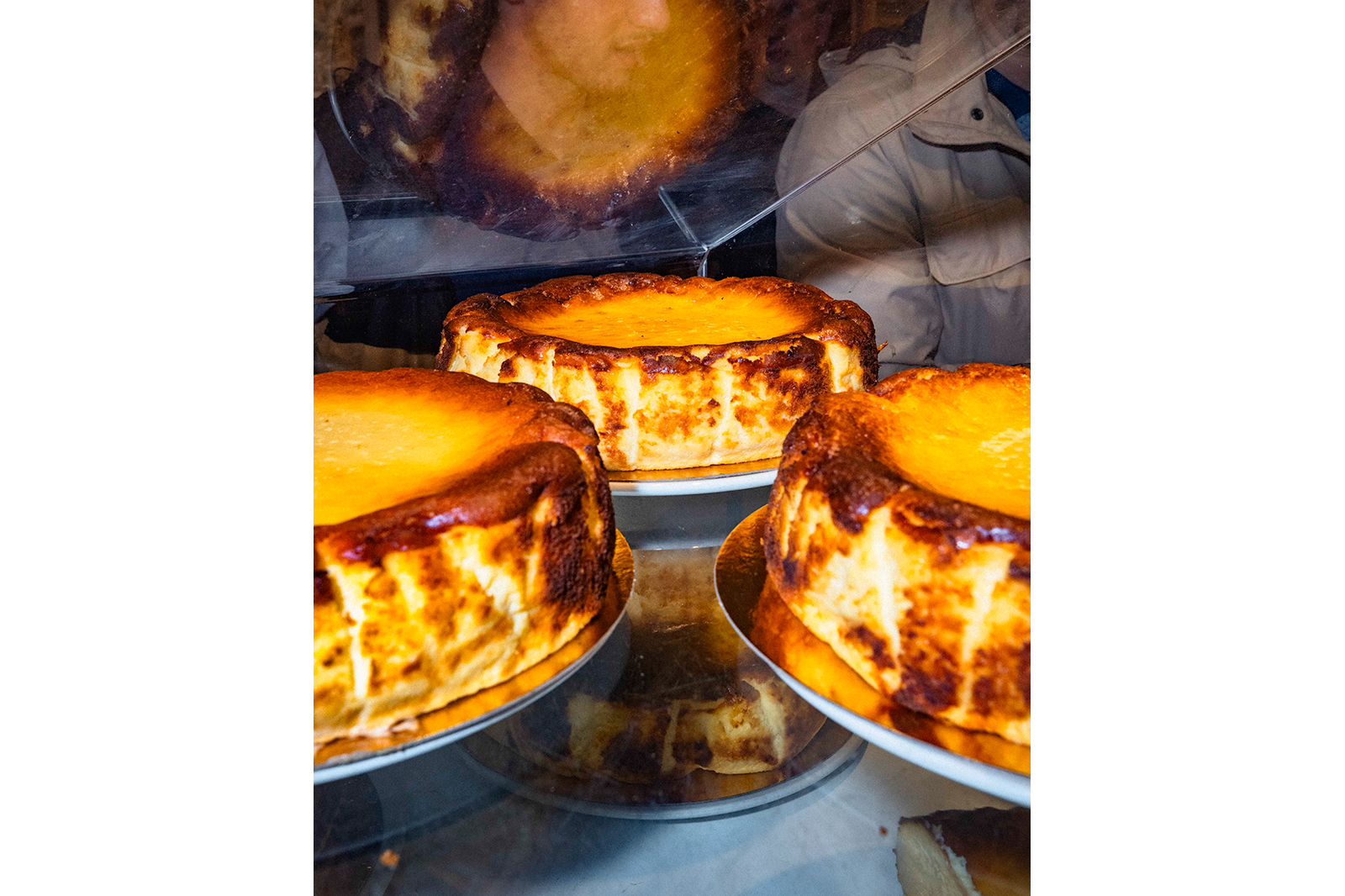
Finish at GanbaraOpens overlay, a family-run institution in Old Town where the counter is filled with seasonal produce and wild mushrooms. If you still have room, end on a slice of La ViñaOpens overlay’s cheesecake—soft, burnt, endlessly copied and still as good as everyone says.
Chase the fire in Axpe
The first time I found myself in San Sebastián, I tried and failed to get into Asador Etxebarri. Back then, that felt like the ultimate prize. It was the place everyone whispered about and the door you had to fight to open. This time around, I wasn’t after bragging rights; I just wanted to taste the food!
Etxebarri is still one of the most elusive reservations in Spain. There’s no booking app and no phone line. The only way in is through a request form on the restaurant’s website. Dates open gradually, so you’ll need to keep checking, submit for your preferred slot and offer a few alternatives to improve your chances. The reward is the food of Bittor Arginzoniz, a former forester turned chef, whose reputation rests on mastering smoke and fire rather than pursuing invention for its own sake. He doesn’t give interviews, and of course that only makes the pull stronger.
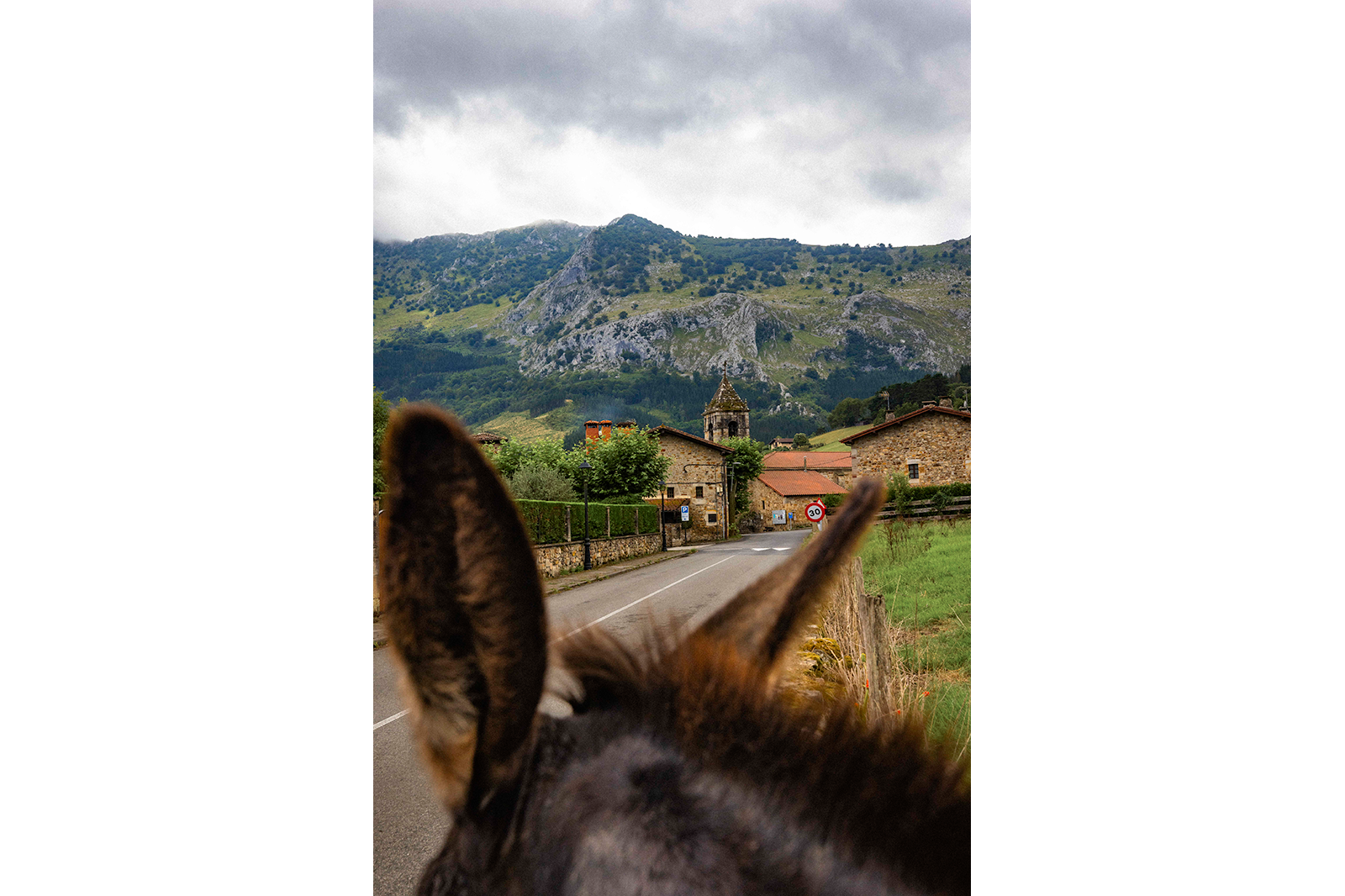
From San Sebastián, Etxebarri is a proper day trip, about an hour and a half west via a long, foggy drive into the hills of Axpe. This time, I finally made it, calling in every favor: a friend who knew a friend, who knew a friend.
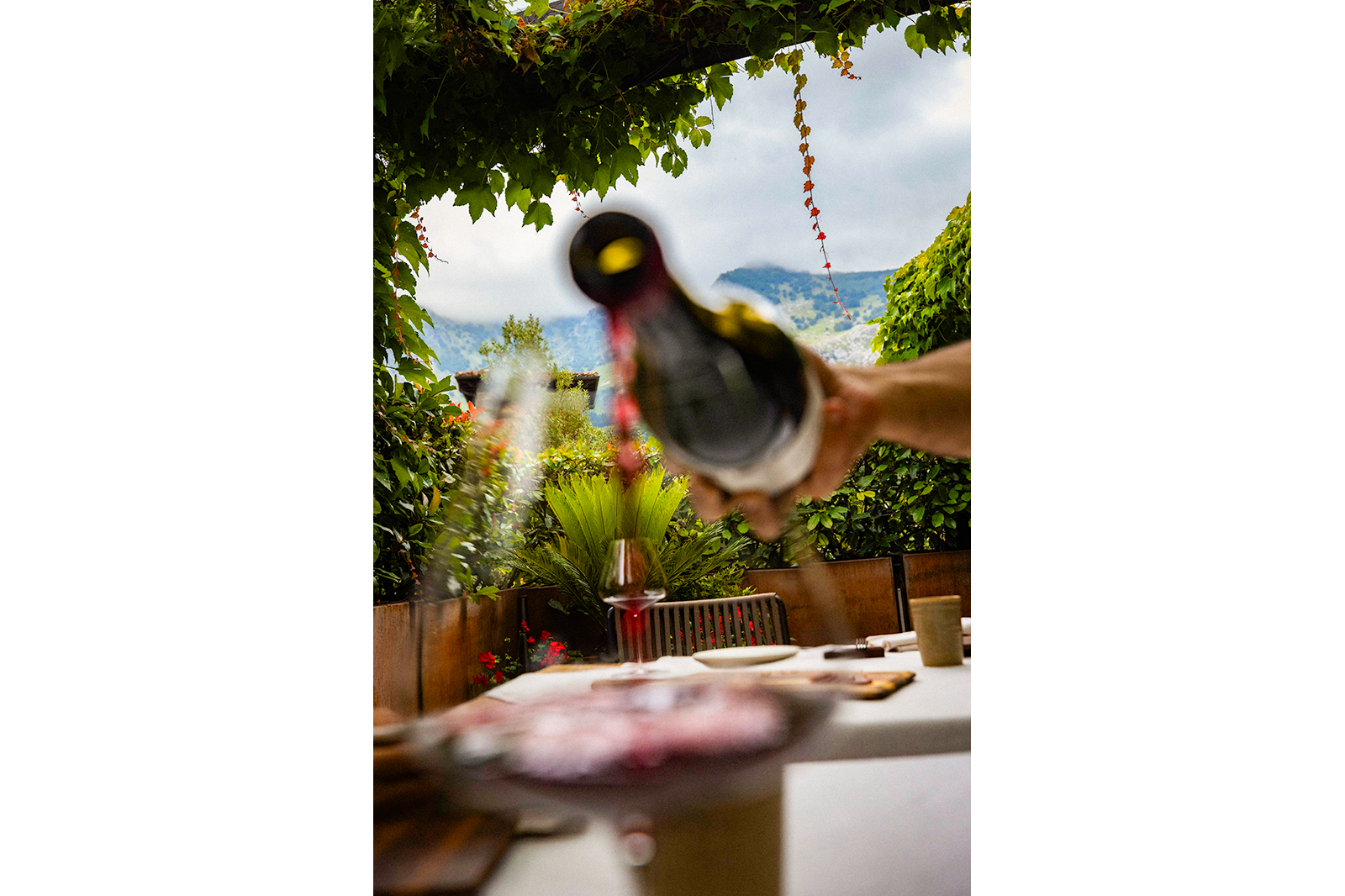
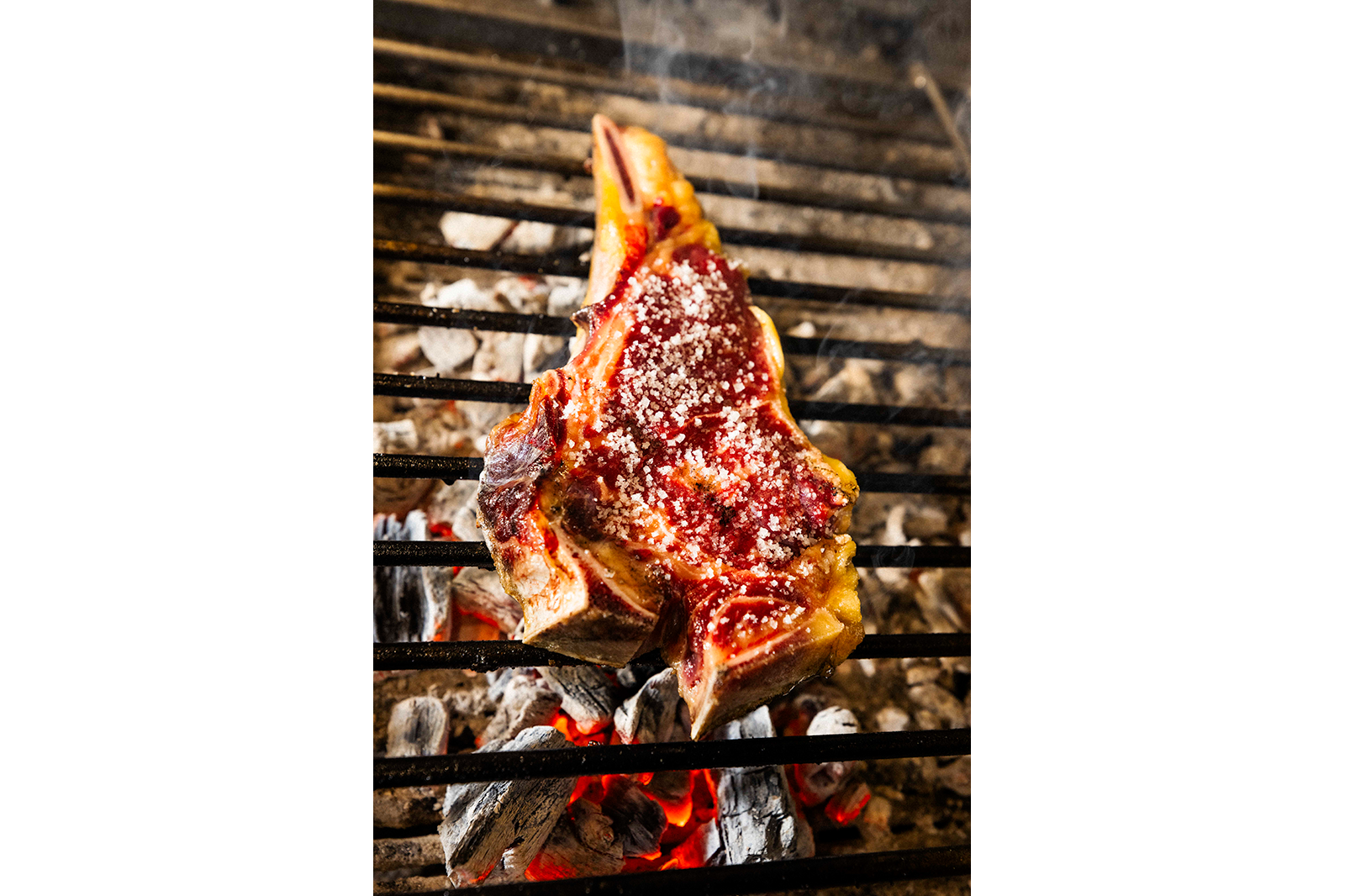
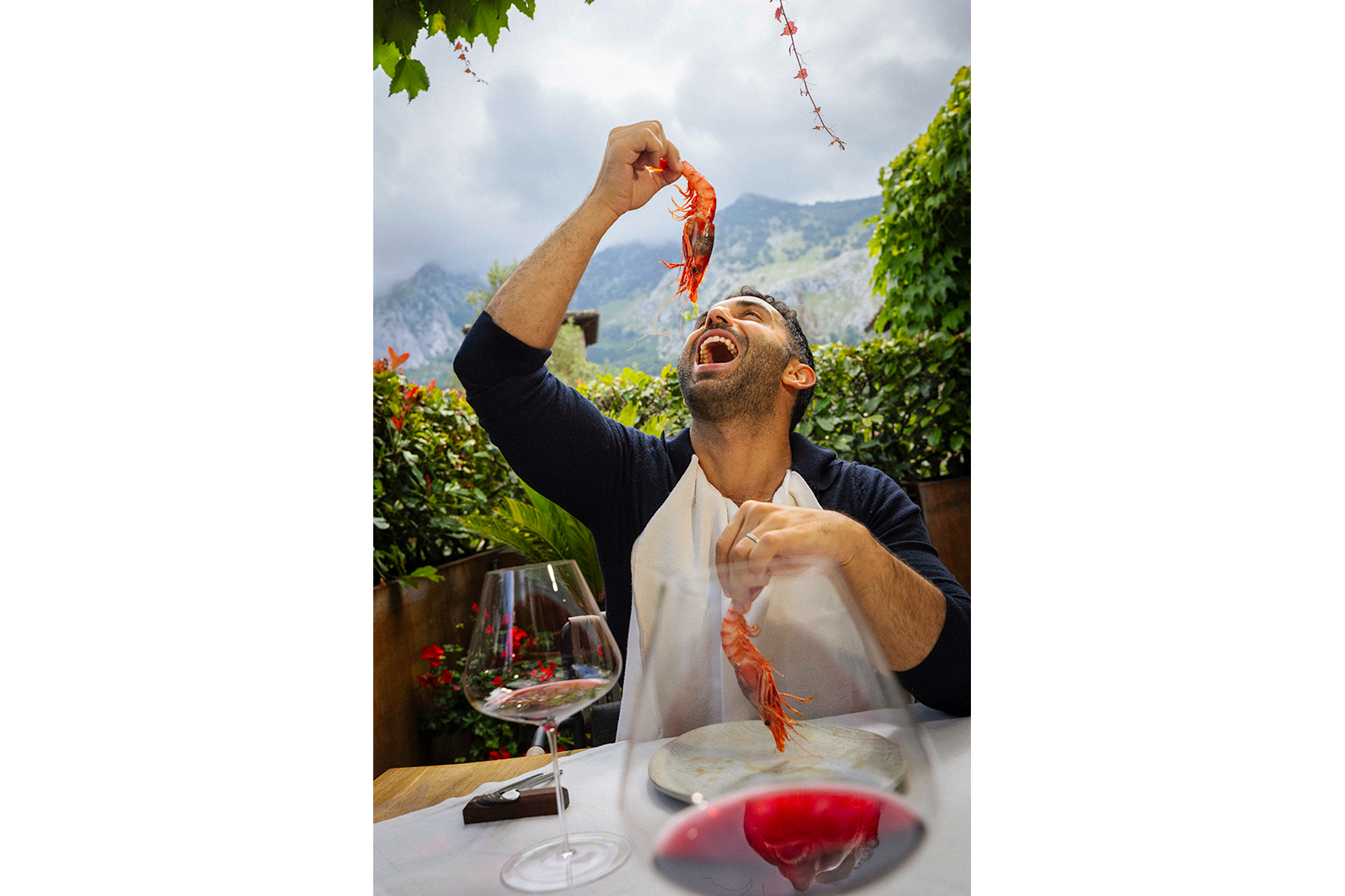
The meal opened with slices of chorizo, so fatty and smoky they melted like salted butter. Toasted bread draped with tuna, brightened just enough with tomato and grated ginger. Scallops were presented in an “Americano” version, tinged with tomato and just enough chile to keep you leaning in for another bite. Then there was the steak: a Galician milk cow, seven years old, aged for 30 days, seared over embers until the crust snaps and the center yields like velvet.
It was raining hard that day, the sort of wet that seeps through your shoes, but none of that mattered once the first bite hit. After lunch, I realized I was kind of happy that I hadn’t gotten in the first time. I probably would’ve treated it like a trophy. Now, it felt like something else: less about crossing a name off a list, more about watching what happens when someone spends a lifetime perfecting one idea.
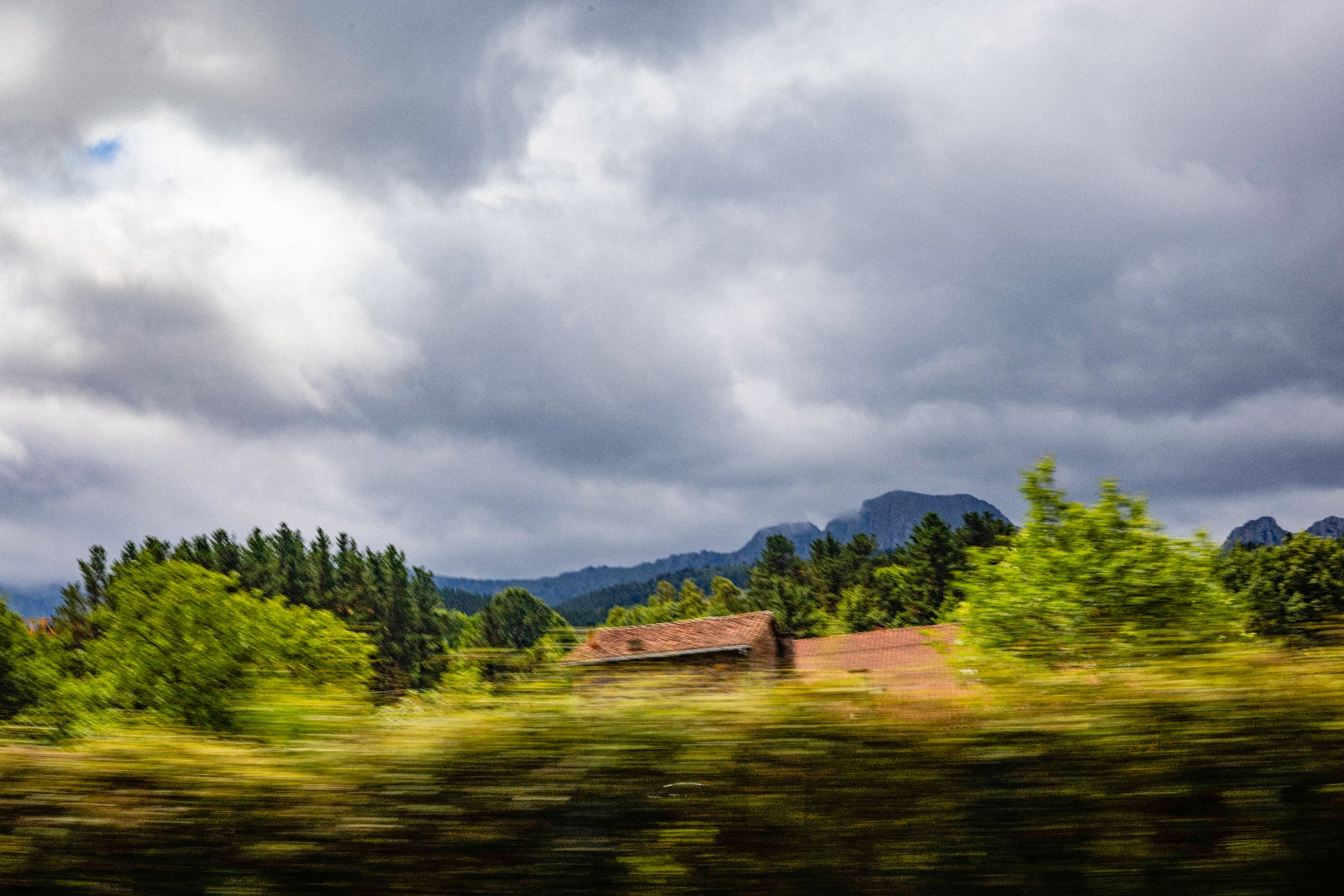
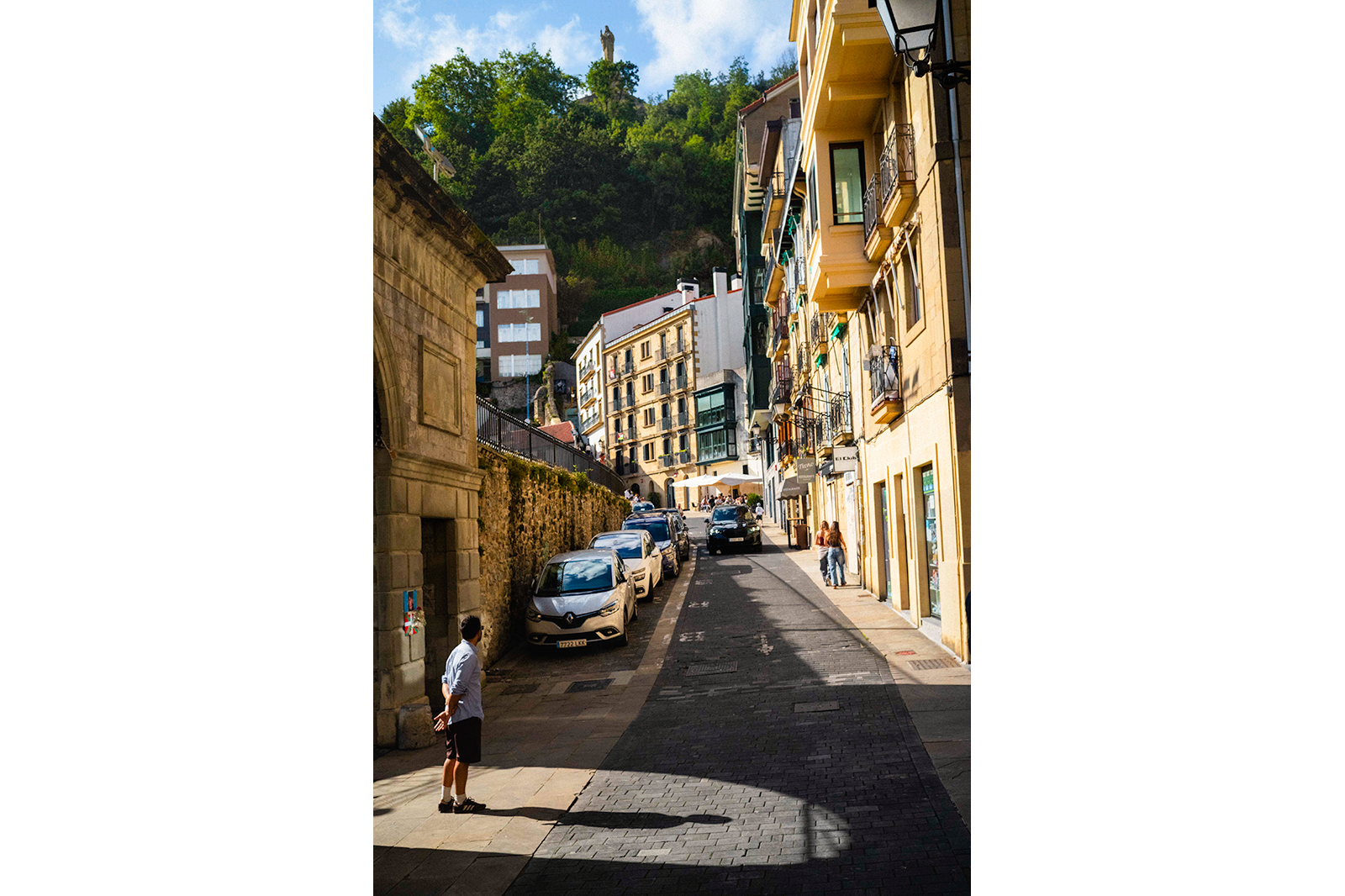
Driving through San Sebastian’s verdant landscape means no shortage of dramatic views throughout your trip.
Cross the border, exhale at the table
For years, Iñaki Aizpitarte’s cooking at Le ChateaubriandOpens overlay in Paris was the North Star for tons of young cooks. Bistro in form, punk in spirit, it was technical, brutal and beautiful. He represented a rebellion I wanted to cook with, too—food with edge, food that didn’t apologize.
On my last night, I drove north into France for another meal I’d been waiting for: Petit Grill Basque, Aizpitarte’s new spot. Here, he’s changed. The menu is pared back. Still rebellious, but steadier. There’s even a steak frites on the menu!
Halfway through dinner, the table across from us ordered the last paella. Watching it land—golden, steaming, unapologetically perfect—I felt a pang of envy. They must have noticed, because a few minutes later our neighbors slid the pan toward us, insisting we take some. We did. Later, when we all stepped outside for a breather between courses, I learned they were chefs on a European eating tour—proof you never really know who’s sitting at the next table.
At 25, I wanted everything at once. Now, I want fewer things done better. To let dishes, and moments, breathe. Aizpitarte’s food felt like that, too: an exhale, not a manifesto.
Driving back into San Sebastián that night, the road cutting between the water and the hills, I felt that rare, quiet hum that comes only from a trip that actually delivered. I left the Basque Country full—of food, salt water and a new kind of calm.
Travel usually pushes you forward. You chase the newest thing, the buzziest table, the city you haven’t crossed off yet. And that’s exciting! I’ve built whole trips—whole chapters of life—around that impulse. But there’s something different, maybe even better, about coming back. The Basque Country hasn’t gone static. It doesn’t do nostalgia. It grows, refines, folds the new into the old without ever losing sight of its own appetite. Returning let me see that shift, and my own, more clearly. At 25, I was intent on cracking codes. Now, I just want to see what unfolds when you give a place—and yourself—enough time.
Booking With Chase Travel
Chase Travel is the first stop for your next adventure. At chasetravel.com and via the Chase Mobile® app, eligible cardmembers can earn and redeem points for hotels, flights, activities, rental cars and more.
Select cardmembers receive accelerated points earning or cash back when booking through Chase Travel, and Chase Sapphire Reserve cardmembers will earn 8x points per dollar on Chase Travel purchases, including hotel stays booked through The Edit by Chase Travel®. Sapphire Reserve cardmembers who book through The Edit will also receive special benefits including daily breakfast for two and a $100 property credit, along with early check-in, late checkout and a room upgrade. Some benefits are subject to availability and vary by property.
Looking for inspiration? Eligible Chase cardmembers can explore hotel reviews and editor-curated guides at chasetravel.com.
For Informational/Educational Purposes: The views expressed in this article may differ from other employees and departments of JPMorgan Chase & Co. Views and strategies described may not be appropriate for everyone, and are not intended as specific advice/recommendation for any individual. Chase is not responsible for, and does not provide or endorse third party products, services or other content. You should carefully consider your needs and objectives before making any decisions, and consult the appropriate professional(s). Outlooks and past performance are not guarantees of future results. Participants may be compensated.