
Markets
Check out the latest market news
Markets
Could the 10-Year Treasury yield reach 5.75% in 2027? Here's what our JPMorgan strategists think What’s next for the 10-year Treasury yield after it climbed to a level not seen since 2002? Our Global Investment Strategists think yields could go higher next year. Here are the factors they say could have an impact.By Andrew Kessel|4 min
Markets
Inflation, yields and equities: When does the pressure actually matter? Equities have remained resilient despite elevated inflation and higher yields. Earnings may determine how long that resilience lasts.By Dana Harlap
Markets
How are the S&P 500, Nasdaq and Dow performing so far? Stock market returns 2026 compared with 2025 See how the S&P 500, Nasdaq and Dow are performing in 2026 so far compared with 2025, what’s driving markets now and what investors may want to consider through year-end.By Sergei Klebnikov|6 min
Markets
Will the Fed hike rates in October? 50 basis points in total hikes expected, but Fed officials say there's 'no need for urgency' Heading into October’s FOMC meeting, our outlook is for 50 basis points in total hikes before the tightening ends. Fed officials say inflation is still too high, but signal there may not be a need to act with urgency.By Sergei Klebnikov|6 min
Markets
Are Fed officials changing their tone ahead of October’s FOMC meeting? Here’s what they’re saying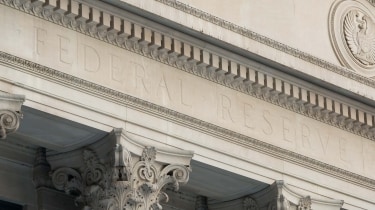 Several Fed officials have struck a more hawkish tone in speeches ahead of October’s FOMC meeting. Here's what they're saying, what the dot plot suggests, and the key dates and reports that could shift expectations.By Sergei Klebnikov|9 min
Markets
How has the Nasdaq performed so far in 2026? The Nasdaq Composite Index is up 15.6% as of close on September 30, 2026, beating the S&P 500 and the Dow so far this year. Here’s what’s driving returns and what investors can watch for in the market through December.By Sergei Klebnikov|5 min
Markets
What risks? Earnings are up and to the right Earnings strength is spreading beyond the handful of mega-cap names that have dominated index-level returns.By Kriti Gupta, Christopher Baggini
Markets
A calm index, a restless market As stocks and bonds increasingly move in sync, the headline rally can hide a quiet repricing. We explore why dispersion is back.By Kriti Gupta, Nick Roberts
Invest your way
From online investing to working with an advisor, J.P. Morgan is ready to help you achieve your goals.