
Markets
Check out the latest market news
Markets
If the shock doesn’t stick: Mapping out de-escalation Markets remain priced for persistent risk, but if tensions with Iran ease, investors could rotate toward unloved and less-owned sectors and regions.By Kriti Gupta
Markets
How to get to 9,000 on the S&P 500 Explore the drivers behind the S&P 500’s historic rally and the potential for broader AI adoption to propel markets higher. Examine the risks and opportunities as markets adapt to shifting bond yields and a global repricing.By Kriti Gupta
Markets
The U.S.-China relationship: A new equilibrium Diminished uncertainty could curb shocks and sharpen China and emerging-market opportunities.By Federico Cuevas
Markets
Kevin Warsh is the new chair of the Federal Reserve: Here’s what that could mean for markets and investors in 2026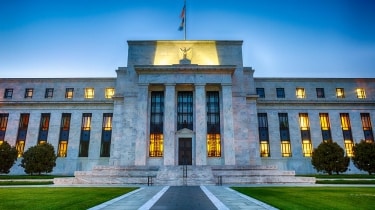 Kevin Warsh is the new chair of the Federal Reserve. Read on to learn about his background, what could change at the Fed and what investors might want to watch.By Hilarey Gould|7 min
Markets
Oil shocks, inflation and the AI buildout: Investing’s biggest risks and opportunities midway through 2026 J.P. Morgan Wealth Management’s Mid-Year 2026 Outlook highlights the pressure points and bright spots for investors in a world that’s moving fast.By Hillary Hoffower|7 min
Markets
How the market’s inflation fears are running ahead of reality As markets reprice oil-driven inflation risk, global central banks offer a clearer signal on whether rate hikes are really coming.By Kriti Gupta
Markets
Why the S&P 500 had its best month in over 5 years despite Middle East uncertainty The S&P 500 had its best month since November 2020 as corporate earnings showed resilience and geopolitical sentiment improved with the U.S. and Iran agreeing to a fragile ceasefire.By Carter Griffin|4 min
Markets
Jerome Powell is staying at the Federal Reserve after his chair term ends – here's what investors need to know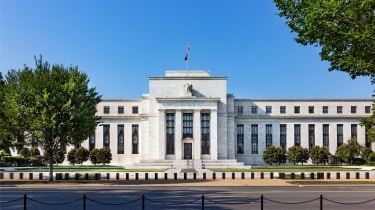 Jerome Powell confirmed in April that he plans to stay on the Federal Reserve Board as a governor after his term as chair ends on May 15. Here’s what investors should know about his decision.By Hilarey Gould|4 min
Invest your way
From online investing to working with an advisor, J.P. Morgan is ready to help you achieve your goals.