December 2025 CPI report released: What the data means and how it might affect interest rates

Editorial staff, J.P. Morgan Wealth Management
- The December 2025 Consumer Price Index (CPI) report provided an important snapshot on inflation since the government data blackout in autumn made tracking trends harder.
- Prices are not rising as quickly as they were a year ago, the report revealed.
- Combined with a stabilizing (if not weak) labor market, December’s CPI release is not likely to lead to an interest rate cut in January, as the Federal Reserve is expected to remain cautious amidst economic uncertainty.

If you run a business or manage a household budget, you already know that prices shape almost every decision. Wages, rent, loans and even stock prices all trace back to what is happening with inflation. Getting a clear picture has been harder lately because the 43-day government shutdown in fall 2025 delayed reports on prices and jobs. That left the Federal Reserve – and investors – without the usual data to rely on for economic policy decisions.
Now that the December 2025 Consumer Price Index (CPI) report is out, we can look past the headlines and focus on what these trends mean for businesses, investments and daily spending.
What the December 2025 CPI report said about inflation
The December CPI showed that prices are still moving higher, just not as quickly as before. The U.S. Department of Labor reported that the CPI rose 0.3% month-over-month and 2.7% year-over-year through December 2025, about as expected and closer to the pace policymakers view as normal.
U.S. Consumer Price Index
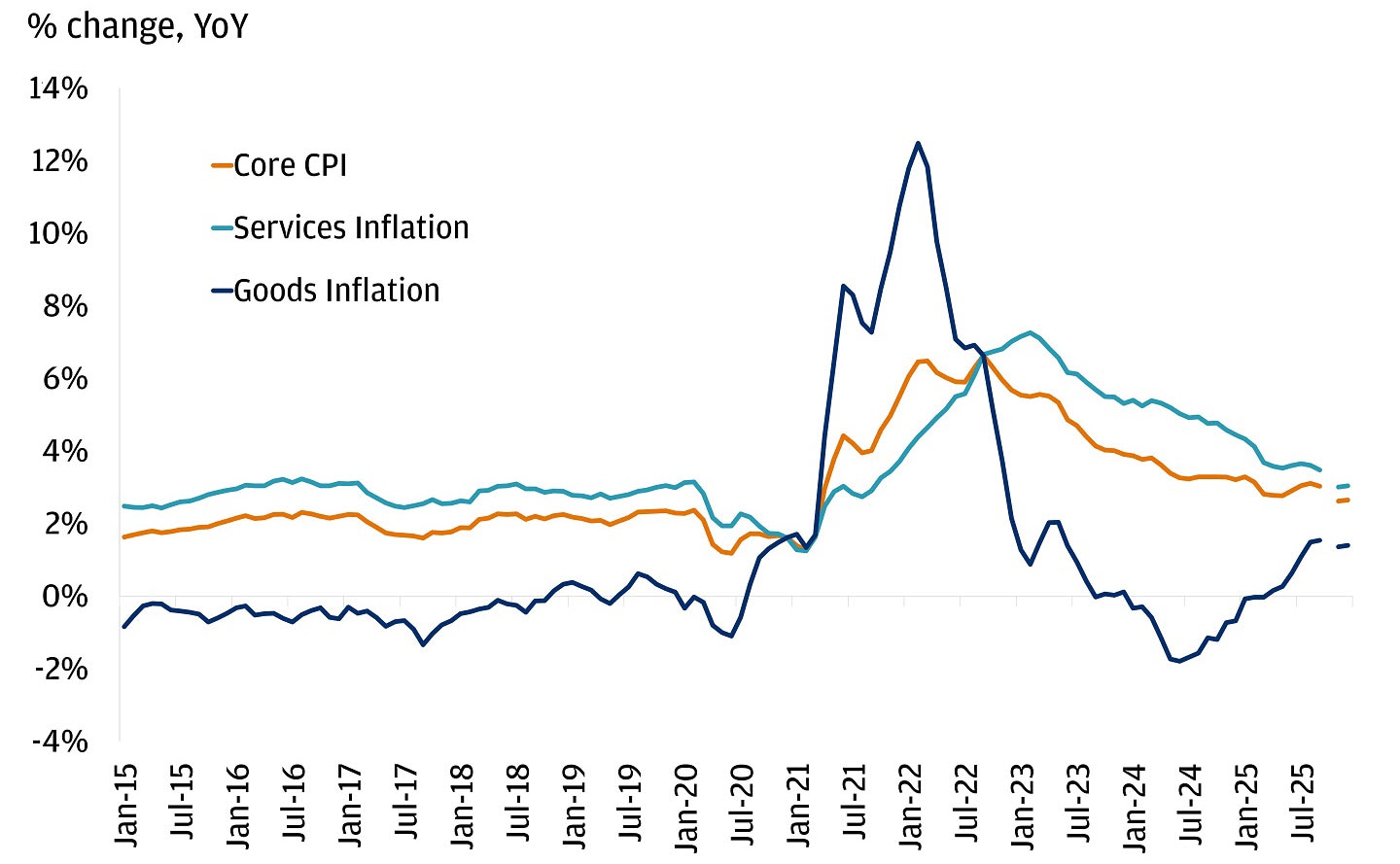
- Over the past year, rent and housing costs have been among the biggest drivers of higher living costs, up 3.2%.
- Food prices rose 3.1%, including several grocery items such as meats, fish and eggs that collectively rose 3.9% year-over-year.
- On the flip side, gas prices fell 3.4% year-over-year after climbing 3% in November.
It’s important to note that some of this data may still be distorted by last year’s government shutdown.
Ready to take the next step in investing?
We offer $0 commission online trades, intuitive investing tools and a range of advisor services, so you can take control of your financial future.
Where might inflation still be problematic?
A single CPI print rarely settles the inflation debate, and that’s even more true after the government shutdown disrupted normal data collection and month-to-month comparisons.
From here, it makes sense to look at where prices are running hot and where they are cooling instead of fixating on one headline number.
One sector to watch, in particular, is energy. Those prices remain sensitive to production decisions and geopolitical events, including conflicts that can quickly move markets and push inflation higher from one month to the next, like the latest conflict in Venezuela.
Tariff-related goods
We are starting to see the ripple effects of trade policy in the data.
While tariffs aren’t causing an across-the-board spike in inflation, they are creating pockets of pressure. Businesses facing higher import taxes have been passing the majority of these costs along to consumers. This is a slow-moving dynamic, especially with tariff policies still in flux, but one that could keep goods prices climbing in the months ahead.
How does the CPI report impact the Federal Reserve’s interest rate policies?
Inflation and labor market conditions remain the Federal Reserve’s (Fed) primary considerations in setting monetary policy. The December jobs report showed a hiring market that's much slower than the booming conditions of the past few years, but is still adding jobs. Employers added just 50,000 payroll positions for the month, which was below expectations and well below the average monthly gains seen in 2024.
The unemployment rate improved slightly to 4.4% in December 2025, but that was partly due to fewer people actively looking for work. Recent Bureau of Labor Statistics (BLS) data shows wages rose 3.8% year-over-year and 0.3% from the prior month. Therefore, even as jobs growth has slowed compared to last year, income continues to outpace inflation, which gives consumers more control over their finances.
Given the mixed signals from the labor market and inflation, the Fed has taken a cautious approach by cutting rates to manage risks, but hinting that any further moves will depend on how wage growth, inflation and hiring trends evolve. Policymakers should remain focused on balancing support for the economy, watching the data closely before making their next decision.
Elyse Ausenbaugh, Head of Investment Strategy at J.P. Morgan Wealth Management, holds the same view.
“The relatively moderate pace of inflation in labor, shelter and overall energy costs suggests a policy rate in the range of neutral is appropriate right now, and the Fed is already there – we have just one more rate cut penciled in for the year,” Ausenbaugh said. “We don’t think inflation poses a meaningful threat to the investments outlook in 2026, and an improving cyclical backdrop tamps down the need for more cuts.”
However, political pressures should not be ignored in this policy environment, according to Ausenbaugh.
“This doesn’t mean that inflation’s overhang on sentiment or presence in political conversations is going to go away anytime soon, though. Rising household power bills, prices at grocery stores and restaurants, and the cost of health care will keep the affordability issue centered as we approach midterm election season.”
How should investors approach this inflationary environment?
The setup for 2026 is a balancing act. An uncertain path forward for inflation and hiring means investors shouldn't count on a steady stream of rate cuts in the coming year.
That shifts the portfolio conversation, since relying entirely on growth stocks or sitting in cash can leave portfolios exposed. Instead, investors should consider three broad moves:
- Locking in income while it's still available: As rates fall, yields on cash and short-term instruments will likely decline. Allocating part of fixed-income exposure to high-quality corporate or municipal bonds can help secure income for longer.
- Staying exposed to equity upside: U.S. stocks have historically performed well when the Fed is cutting rates and the economy isn't falling into recession.
- Building in protection against surprises: Inflation could stay stickier than expected or even pick back up if supply shocks hit, tariffs widen or fiscal policy adds more pressure. Maintaining a diversified portfolio with exposure to real assets such as gold can help buffer against inflation risks and provide resilience in uncertain environments.
The bottom line
This is not an environment to bet on a single outcome. To that end, a rate cut at the Fed’s next meeting in January is likely off the table in this uncertain climate. Growth may hold up, but inflation volatility is part of the forecast, making it difficult to enact policy.
For investors, the goal is a portfolio that works if the economy stays resilient and one that can absorb shocks if inflation reaccelerates or growth slows. That means blending equities for upside, bonds for income and stability, and hedges that can perform under stress. In other words, diversification across asset classes, geographies and sectors matters more when old assumptions no longer apply.
As always, talking through how these themes fit your specific situation with a J.P. Morgan advisor can help turn general market views into a portfolio that reflects your goals, time horizon and tolerance for volatility.
You're invited to subscribe to our newsletters
We'll send you the latest market news, investing insights and more when you subscribe to our newsletters.