Jerome Powell is staying at the Federal Reserve after his chair term ends – here's what investors need to know
Editorial staff, J.P. Morgan Wealth Management
- Jerome Powell has confirmed that he plans to stay at the Federal Reserve after his term as chair ends on May 15.
- Powell will remain on the Federal Reserve Board as a governor, which he can do through the end of his term in January 2028.
- Powell announced his decision at the press conference that followed the April Federal Open Market Committee (FOMC) meeting, saying that he was left with “no choice but to stay” after the recent investigation into his role in the costly renovations to the Fed headquarters in Washington, D.C.

Jerome Powell is not retiring after May 15. In a press conference on April 29, following the Federal Open Market Committee (FOMC) meeting where the vote left rates unchanged, Powell announced that he would stay on as a Fed governor after his term as chair ends. His term as governor doesn’t end until January 2028, though it’s unknown if he plans to stay that long. Powell said he "will continue to serve as a governor for a period of time to be determined."
While Fed chairs are allowed to stay and finish out their governor terms, it has not often been done. The last time a Fed chair stayed on the board as a governor after their chair term ended was in 1948: Marriner Eccles ended his term as Fed chair that year but continued to serve on the board until 1951.
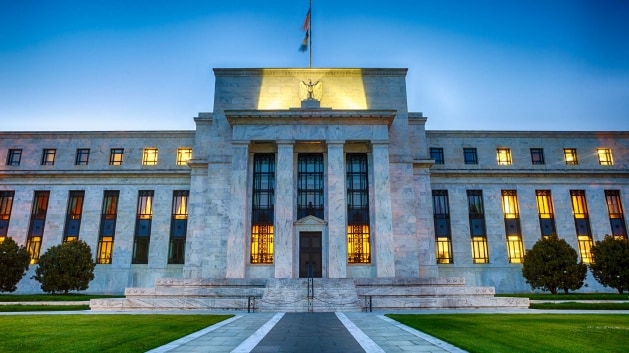
A big reason why Powell has decided to stay at the Fed is the recent investigation into his involvement in the renovations of the Federal Reserve building in Washington, D.C. In the April press conference, Powell made it clear that he plans to stay on the board until the investigation is officially over.
"I’ve said that I will not leave the board until this investigation is well and truly over with transparency and finality, and I stand by that,” Powell said. “I’m encouraged by recent developments, and I’m watching the remaining steps in this process carefully."
Just hours before Powell’s press conference, the Senate Banking Committee voted to advance Kevin Warsh’s nomination to replace Powell as the next Fed chair. The vote sends Warsh to the full Senate for a confirmation vote, expected the week of May 11, which is the same week that Powell’s term ends.
Why would Powell want to stay?
Powell’s choice to stay on the Fed is tied to his goal of maintaining a board seat until the investigation into the Fed building renovation project is officially over. This is just one way that Powell can push back against the administration and President Donald Trump, who has repeatedly criticized and threatened to fire Powell. Given that Fed chairs typically resign, remaining as governor could be seen as an attempt on Powell’s part to push back against this pressure from Trump.
Powell’s role as a Fed governor also allows the board to maintain its composition. If he did not stay, then the White House would have been able to nominate a new governor. Staying on the board as a governor limits the president’s ability to reshape the board. However, as Powell said, the amount of time he plans to stay is “to be determined.” His departure seems likely in the coming months, at which point the administration will be able to nominate a replacement.
Fed independence could be another factor in Powell’s decision to stay. The Fed can influence the U.S. economy by raising or lowering interest rates, and it does so without influence from Congress or the president. This is important because it allows the Fed to take the necessary steps – even if they are unpopular – to do what is best for the economy. President Trump has applied pressure to the Fed to cut interest rates over the last several months. But Powell’s staying could send a strong signal that data – and not outside influence – drives monetary policy decision-making, thereby helping to preserve the Fed’s independence.
Interested in working with an advisor?
Work 1:1 with our advisors to help build a personalized financial strategy that’s built around you.
What to expect when Warsh becomes chair and Powell is a Fed governor
If and when Warsh assumes the role of Fed chair, there won’t likely be an immediate shift in monetary policy – especially with Powell staying on as a Fed governor. Both Powell and Warsh will be able to vote on interest rate cuts at the June FOMC meeting, but this time, Warsh will set the agenda, guide the internal debate among the members and deliver the decision to the public.
Additionally, Powell’s staying on as a Fed governor could signal to financial markets that there will be continuity around how the Fed approaches inflation and economic risks. On the consumer side, this could lead to more economic stability.
Now that Powell is staying at the Fed, it’s wise to keep an eye on markets. They tend to respond more favorably when policy seems to be driven by data and not influenced by outside forces. Warsh has also said that he plans to be an “independent actor” and not let outside forces like the administration influence his agenda for the Fed.
“I’m committed to ensuring that the conduct of monetary policy remains strictly independent,” Warsh said in his speech to the Senate Banking Committee on April 21.
If that is true, then investors and consumers may experience less volatility and more economic stability during the transition to new Fed leadership. However, it’s unknown how long Powell will remain at the Fed. If and when he is replaced, the change could reshape the board’s composition.
The bottom line
Jerome Powell is staying at the Fed as a governor after his term as chair ends on May 15 – for now. He said the amount of time he plans to spend at the Fed is “to be determined,” but for the time being, he will remain as a voting member of the board, helping to steer monetary policy. Kevin Warsh is likely to assume the role of Fed chair the week of May 11, positioning him to set his first agenda for the committee at the June meeting.
With Powell’s presence on the board, markets could favor the stability and continuity around how the Fed may approach inflation and economic risks. Investors and consumers may want to maintain their strategy with long-term goals in mind rather than react to the leadership changes. If you have questions about how changes in Fed leadership and monetary policy can impact your portfolio and financial situation, talk to a trusted financial professional.
Invest your way
Not working with us yet? Find a J.P. Morgan Advisor or explore ways to invest online.