Restaurant POS systems for enhanced business operations
Presented by Chase Payment Solutions®

Key takeaways
- Restaurants need modern point of sale (POS) systems that meet today's demands.
- A modern system can help streamline operations and provide timely insights into sales, inventory and customer behavior.
- From an efficient checkout process to personalized loyalty programs, features offered by the right POS system can help elevate the dining experience.
In today’s fast-paced restaurant industry, success depends on more than great food. To thrive, restaurant owners must work efficiently, leverage data-driven decisions and keep pace with evolving customer expectations. Modern POS systems can help. These systems are no longer just a cash register; they can be the central nervous system of your entire operation, designed to streamline every aspect from order-taking to inventory management. Read on to learn how the right POS technology may help improve operational efficiency, bolster security and support profitability.
What is a restaurant POS system?
A restaurant POS system combines hardware – such as touch-screen registers, tablets, kitchen display screens and receipt printers – with software that helps manage orders, payments, inventory, staff and reporting. While generic POS systems serve a broad range of businesses, modern restaurant POS solutions are purpose-built for the specific needs of food service operations.
Unlike retail POS systems that focus on product SKUs and general inventory, modern restaurant systems handle complex menus with modifiers (e.g., "no onions"), table management, check splitting, kitchen routing and integration with online ordering platforms. They are built to manage the dynamic flow of a busy kitchen and dining room, facilitating clear communication between front of house (FOH) staff—such as servers and hosts, and back of house (BOH) personnel, including chefs and dishwashers.
How restaurant POS systems work
A modern restaurant POS system can help create a seamless flow of operations, ensuring an efficient experience from order placement to payment.
- Order entry: Orders are entered into the POS system by servers or customers via tablets, self-service kiosks or an online platform.
- Order routing: The system sends food orders to kitchen display systems (KDS) or printers, and drink orders to the bar.
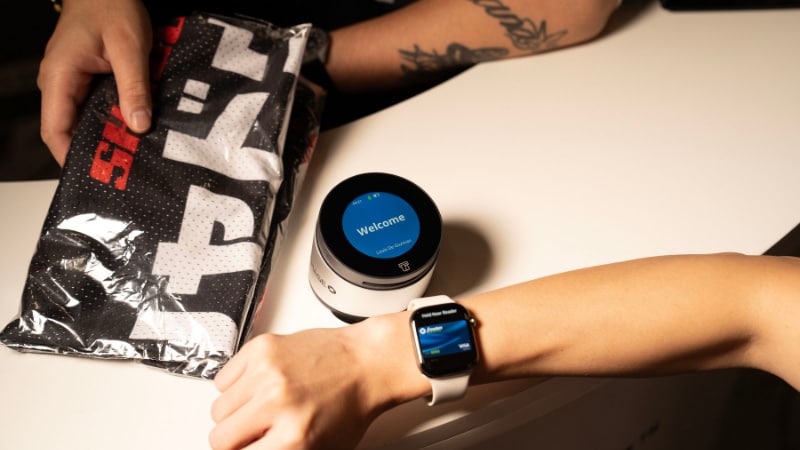
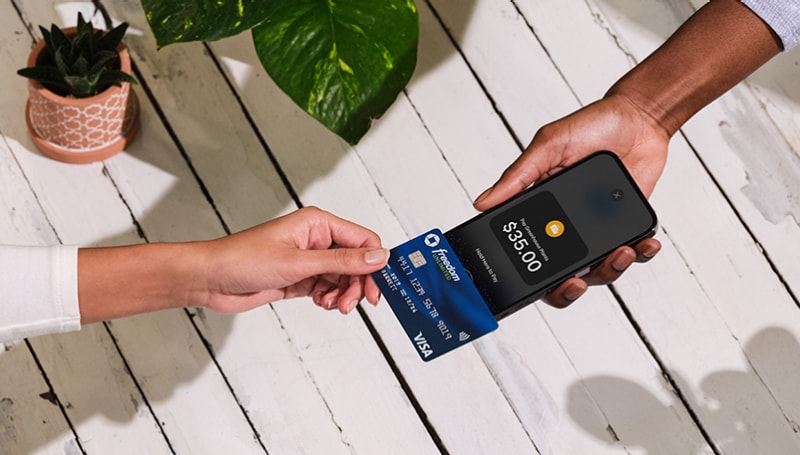
- Payment processing: Bills are calculated and payments are processed by card, mobile, cash or gift card.
- Receipt generation: Customers receive a digital or printed receipt detailing their order and payment.
The POS system serves as the central communication hub, directing orders to the correct stations and displaying them on KDS screens—many POS systems offer color-coded wait times. Printers provide physical tickets where needed, such as prep stations or baristas.
Each transaction updates inventory and sales data continuously, offering valuable insights into daily performance.
For example, when a customer orders a "cheeseburger with no pickles and a side of fries," the POS system routes each item to the appropriate kitchen station, adjusts inventory as the order is entered, processes payment securely and generates a receipt—all within seconds.
Key features of modern restaurant POS systems
Modern restaurant POS systems offer a comprehensive suite of features designed to help optimize every aspect of your business:
Order management
- Intuitive interface for quick order entry and modifications.
- Customizable menus with modifiers, combos and special instructions.
- Check splitting and table transfers.
- Course management for fine dining.
Payment processing
- Accepts all major payment types: credit/debit cards, mobile wallets, gift cards, and cash.
- Maintain enhanced transaction security with integrated EMV and NFC readers.
- Tip management and detailed reporting.
- Tableside payment capabilities.
Inventory tracking
- Continuous monitoring of ingredients and finished goods.
- Automated alerts for low stock levels.
- Recipe management for accurate ingredient deduction.
- Vendor management and purchase order creation.
Reporting and analytics
- Comprehensive sales reports by item, category, employee and time of day.
- Labor cost analysis and performance metrics.
- Inventory usage and waste tracking.
- Insights into customer spending habits and popular items.
- Customizable dashboards for quick, actionable insights.
Table management
- Visual floor plans to monitor table status (open, seated, waiting for food, paid).
- Efficient seating management and integrated waitlists.
- Server assignment for streamlined service.
Customer Relationship Management (CRM) and loyalty programs
- Centralized management of customer interactions and data to help businesses manage relationships and sales.
- Tracks customer preferences and order history .
- Loyalty points, rewards and gift card management.
- Personalized marketing campaigns.
Kitchen Display Systems (KDS)
- Digital screens in the kitchen for order display.
- Enhanced communication between FOH and BOH staff.
- Order prioritization and timing to reduce errors and speed up service.
Employee management
- Time-clock functionality for clock-in/out.
- Shift scheduling and labor-cost tracking.
- Performance monitoring and sales attribution.
- Role-based access control for data security.
Online ordering and delivery integration
- Integration with third-party delivery platforms.
- Native online ordering portals for direct customer orders.
- Centralized management of all order channels.
Reservation and waitlist management
- Online reservation booking system.
- Digital waitlist management with SMS notifications.
- Table optimization to increase guest capacity and turnover.
Switching to modern POS systems for restaurants
Clinging to an outdated POS system can be like trying to win a race with a horse and buggy in the age of sports cars. It could slow operations, limit growth and leave you vulnerable in a competitive market. Upgrading to a modern POS system can offer a wide range of benefits:
- Improved efficiency and streamlined operations: Automates routine tasks and simplifies day-to-day operations across order processing to staff management, allowing staff to focus more on delivering excellent customer service.
- Enhanced data insights: Provides continuous analytics on sales, inventory and performance, empowering owners and managers to make informed decisions about staffing, menu engineering, promotions and purchasing.
- Improved customer experience: Increases service speed, enables personalized loyalty programs, and offers flexible payments and ordering options – such as online pre-orders – ultimately boosting customer satisfaction and repeat business.
- Scalability and flexibility: Simplifies accounting, adapts to changing business needs and supports multi-location management, enabling businesses to grow without outgrowing their technology.
- Security and PCI compliance: Robust security features help protect sensitive customer payment data, decreasing the risk of data breaches and helping you stay compliant with industry standards (such as Payment Card Industry Data Security Standard or PCI DSS).
- Synergized FOH and BOH communication: Bridges the gap between the FOH and BOH staff, supporting accurate and efficient order delivery.
- User permissions and access control: Defines specific roles and permissions for each employee, helping maintain data integrity and prevent unauthorized access to sensitive functions.
- Fraud detection and reporting: Advanced systems can flag suspicious transactions or patterns, helping prevent internal and external fraud.
How to choose a POS system for your restaurant type
The ideal POS system isn't a one-size-fits-all solution; it depends on your restaurant’s unique needs and operational style. Here are some considerations for common restaurant types:
Quick-Service Restaurants (QSR)
QSRs rely on rapid service and high transaction volume. Look for POS systems with fast order entry, integrated payment terminals, KDS, loyalty programs and robust reporting to support efficient customer flow and digital ordering channels.
Full-Service Restaurants (FSR)
FSRs benefit from advanced dining room management, order customization, and efficient tableside payments. Features such as visual table layouts, course management, handheld devices for servers, integrated CRM and comprehensive reservation systems are essential.
Bars and nightclubs
These venues prioritize quick drink service, secure tab management and strict inventory control. POS systems with rapid bar tab processing, card pre-authorization, detailed liquor inventory, integrated ID scanning and offline mode can help streamline operations.
Cafés and bakeries
Cafés and bakeries value quick transactions, ingredient inventory management and customer loyalty. POS solutions offering loyalty programs, integrated scales, online ordering for pickup and detailed sales reporting are ideal.
Food trucks and pop-ups
Food trucks and pop-ups may need highly mobile, durable and adaptable payment solutions that can operate reliably in various locations. Cloud-based POS systems with mobile payment readers, battery-powered devices, simple menu setup and multi-location reporting are recommended for these businesses.
Fine dining establishments
Fine dining focuses on exceptional, personalized guest experience, requiring meticulous table management and detailed order customization. POS systems with advanced reservation and waitlist management, guest notes, course management, elegant tableside ordering and integrated CRM support these needs.
Multi-location chains
Chains require centralized control, consistent data across all sites and scalable solutions for growth. Look for POS features such as centralized menu and inventory management, enterprise-level reporting, user management across locations and scalable infrastructure.
General considerations for all types
Regardless of restaurant types, the following are often prioritized:
- Ease of use: An intuitive interface can support quick staff training and potentially reduce onboarding time and minimize errors.
- Reliability: Cloud-based systems with offline capabilities ensure uninterrupted operations during internet outages, preventing lost sales and preserving data integrity.
- Customer support: Access to 24/7 support enables quick issue resolution, minimizing downtime and preventing disruptions to service and revenue.
- Integration: Compatibility with existing accounting, payroll services and third-party apps creates a unified operational ecosystem, streamlining back-office tasks and eliminating manual data entry.
- Security: Data protection and PCI compliance help safeguard sensitive customer payment information and help prevent data breaches.
It’s also important to understand the total cost of ownership, including upfront hardware costs, monthly software fees and payment processing rates.
Summary
Modern restaurant POS systems are essential for restaurants aiming to succeed in today’s competitive landscape. Although transitioning to a new system requires an initial investment and adjustment period, the long-term benefits in efficiency, data insights, customer experience and security make it a valuable upgrade.
Chase offers a range of restaurant POS systems. To sign up for Chase Payment Solutions, reach out to a Payments Advisor at 1-877-843-5690 or connect with us here. Already a Chase Business Complete Banking® client? Sign into your account and activate payments to start taking payments in minutes.
FAQs
How can a POS system help my restaurant maintain better cash flow?
The right POS system can in several ways:
- Tracking inventory in real time to minimize food waste and unnecessary expenses.
- Providing accurate sales reports to identify best-selling items and enhance menus for profitability.
- Streamlining payment processing for faster access to funds and optimized liquidity.
- Offering employee management tools to manage labor costs and boost efficiency.
- Delivering detailed analytics to uncover cost savings and revenue growth opportunities.
How secure are modern POS systems, especially concerning customer payment data?
Modern POS systems are typically PCI DSS compliant, adhering to strict standards for processing, storing and transmitting credit card information. Security features can include end-to-end encryption, tokenization of card data and robust firewalls. While no system is completely impenetrable, reputable POS solutions employ multiple layers of protection to minimize risks and safeguard sensitive information.