Core inflation: Understanding what it measures and its impact on investing

Editorial staff, J.P. Morgan Wealth Management
- Core inflation is a measure of inflation that indicates a long-term trend rather than local or temporary price increases.
- In the United States, the Bureau of Labor Statistics (BLS) is the government agency responsible for measuring core inflation. The BLS calculates various inflation measures, including the Core Consumer Price Index for All Urban Consumers (CPI-U), which excludes food and energy prices.
- Policymakers and central bankers keep a close eye on all the inflation data, but specifically core inflation data because it is intended to show broad-based, economy-wide trends.

Inflation has been top of mind. One trip to the grocery store is enough to show consumers how much prices have risen. Every month, the Consumer Price Index (CPI) is released, providing a pulse check for where inflation currently stands. The CPI measures inflation by two main categories: total (or headline) inflation and core inflation.
What is core inflation?
Core inflation is a measure of inflation that excludes volatile price components such as food and energy. Its aim is to provide a more stable, long-term view of inflation, and it is often used to guide monetary policy decisions.
Measuring core inflation is important because it provides a clearer picture of underlying inflation trends. This information is valuable for central banks when they make monetary policy decisions because it helps them to assess the true current state of inflation and its future trajectory, which in turn helps them decide whether to raise or lower interest rates. Core inflation is also important for businesses, investors and consumers, as it provides a better indication of how prices are changing over the long term, which can help inform decision making and planning.
How is core inflation measured?
The Bureau of Labor Statistics (BLS) and the Bureau of Economic Analysis (BEA) measure core inflation using the Consumer Price Index (CPI) and the Personal Consumption Expenditures Price Index (PCE), respectively. The CPI tracks the monthly change in a weighted average of prices of a basket of goods and services. The PCE is a measure of the prices of goods and services consumed by households. The PCE provides a comprehensive measure of consumer prices and how much consumers are spending to capture more clearly how rising prices affect consumers’ cost of living.
The BLS excludes food and energy prices from its measure of core inflation because these costs are considered to be volatile and subject to large fluctuations due to factors that are not directly related to underlying inflation trends. For example, food prices can be affected by weather conditions and natural disasters, while energy prices can be influenced by geopolitical events, changes in supply and demand and fluctuations in the price of oil.
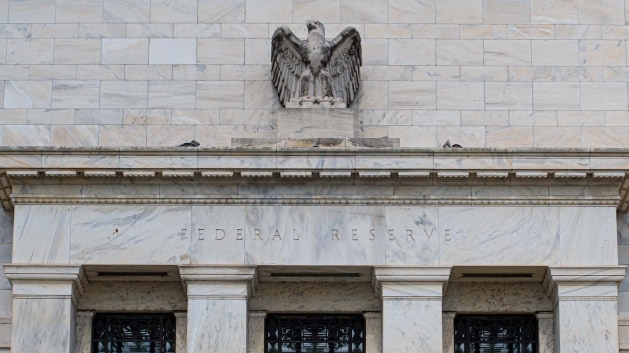
By excluding these components, the BLS gets a clearer picture of underlying inflation trends, which are more closely tied to factors such as economic growth, labor market conditions and consumer demand. This information is useful for guiding monetary policy decisions because it helps the U.S. Federal Reserve to assess whether to adjust interest rates.
Get up to $1,000
When you open a J.P. Morgan Self-Directed Investing account, you get a trading experience that puts you in control and up to $1,000 in cash bonus.
What are the key drivers of core inflation?
The key drivers of core inflation include:
- Economic growth: As the economy grows, demand for goods and services increases, putting upward pressure on prices.
- Labor market conditions: A tight labor market, with low unemployment and rising wages, can increase labor costs and drive up prices.
- Monetary policy: The actions of central banks, such as the Federal Reserve, can affect inflation through changes in interest rates and the money supply.
- Global factors: Changes in the global economy, such as shifts in exchange rates and commodity prices, can also have an impact on inflation.
- Production costs: Rising costs of production, such as higher costs for raw materials and energy, can also contribute to inflation.
These factors can interact in complex ways, and the relative importance of each will vary over time depending on the specific economic and financial conditions. The Federal Reserve considers all these factors when making monetary policy decisions to keep inflation under control and promote economic stability.
For context, the Federal Reserve has a congressional mandate to aim for 2% inflation and maximum employment. Given their assigned role from Congress, they are literally tasked with trying to bring down inflation. It’s also worth noting that, in addition to core inflation, the Federal Reserve closely monitors overall inflation, including food and energy prices, to establish a more complete view of the economy and inflation trends.
Measuring core inflation has been tricky since the pandemic
As noted above, the reason economists and policymakers are interested in core inflation is because it shows a broad-based, economy-wide trend. The Nobel laureate economist Milton Friedman famously said in the 1960s that “inflation is always and everywhere a monetary phenomenon.” This means that if you have persistently high inflation, it’s because the central bank has put too much money into the economy.
The result is another classic formulation of inflation: too much money chasing too few goods. The cure for inflation from this perspective is for the central bank to raise the cost of borrowing money to the point that people stop spending and start saving. Money comes out of the economy, and prices stabilize.
Put that way, inflation may sound like an easy problem to fix. But what if policymakers get it wrong? What if they raise interest rates and slow down the economy not because of a broad-based trend but because of a scary spike in some hard-to-miss prices? (For most Americans, the most anxiety-producing price rises are at the gas pump.)
If the temporary problem that caused gas prices to spike, for example, fades, and those prices fall quickly, inflation might disappear just as the monetary policy shift to a tighter money supply takes hold, and the economy could be needlessly thrown into recession. Monetary policy takes a long time to work its effects through the economy. Central bankers are aware of this, so they try to exclude volatile prices from their calculations and identify the biggest underlying trends.
The burst of inflation that started at the end of 2021 and peaked in June 2022 affected many of the core categories of CPI-measured inflation, leading many economists to say that inflation was becoming entrenched in the economy. Recently, however, inflation data is pointing to a normalization of prices.
Potential investment implications of inflation
A steady, elevated rate of inflation can affect investing strategy for individuals and institutions in several ways:
- Bond investments: Inflation erodes the purchasing power of money over time, reducing the value of fixed-income investments such as bonds. As a result, individuals and institutions may need to shift their portfolios toward investments that provide inflation protection, such as Treasury Inflation-Protected Securities (TIPS) or other inflation-linked bonds.
- Stock investments: Depending on the sector, companies can be sensitive to inflation in different ways. For companies in energy and materials sectors, for example, an increase in inflation often corresponds with increased earnings and stock prices. The reason for this is that inflation is often driven by higher energy and materials prices, which ultimately translates into greater profits for companies that sell them. On the other hand, companies in consumer staples and utilities, for example, are often negatively impacted by increased inflation. This is because these companies consume commodities in order to release their products, so a rise in prices comes at a cost.
- Real assets: Real assets such as real estate, commodities and precious metals can provide a hedge against inflation, as their prices tend to rise when inflation is high.
- Diversification: In an environment of high inflation, it's important for both individuals and institutions to diversify their portfolios across different asset classes to reduce the impact of inflation on their investments.
Of course, the impact of inflation on individuals and families will vary depending on the specific economic and financial conditions, and individual and institutional investors should seek professional advice before making investment decisions.
Invest your way
Not working with us yet? Find a J.P. Morgan Advisor or explore ways to invest online.
Editorial staff, J.P. Morgan Wealth Management