
Markets
Check out the latest market news
Markets
The cost of capital is rising. Did stocks get the memo? The Federal Reserve hiked rates, but it's not fazing the stock market the way investors expected.By Kriti Gupta, Nick Roberts
Markets
Investing in the space economy: From sci-fi to reality A roadmap to the ‘final frontier’ – answering the question on everyone’s mind: what is space beyond SpaceX?By Sitara Sundar, Audrey Weiss|10 min
Markets
Fed raises rates at September meeting: Key takeaways for investors as officials signal at least one more rate hike in 2026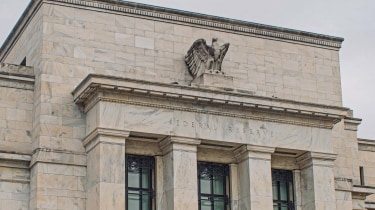 The Federal Reserve raised its benchmark rate for the first time in more than three years, with the dot plot pointing to another hike in 2026. Read our key takeaways from the September meeting, plus what to watch for next.By Sergei Klebnikov|7 min
Markets
Diesel prices hit new record in September 2026: What that means for inflation, shipping costs and your portfolio Diesel prices hit record highs in early September, rising faster than gas. Here's what surging diesel costs mean for inflation, shipping and your investment portfolio – and what to watch next.By Sergei Klebnikov|5 min
Markets
Stock market returns after Fed hikes, holds and cuts: What history shows ahead of the September 2026 meeting The stock market often moves more based on Federal Reserve forward guidance than on the rate decision itself. Learn how stocks have historically reacted to Fed rate changes and how you can prepare for potential volatility.By Sergei Klebnikov|8 min
Markets
$100 oil isn’t as scary as it used to be Higher oil prices are back in focus, but consumers and investors appear better positioned to absorb the shock.By Kriti Gupta
Markets
Earnings season guide: How to read an earnings report – and what it means for the stock market Learn how to read an earnings report beyond EPS – and why it may be important to focus on revenue, margins, cash flow and more – and see why expectations may move stocks and cause volatility.By Sergei Klebnikov|7 min
Markets
Kevin Warsh says there's still 'work to do' to fight inflation. Will the Fed hike rates at the September meeting? The next Fed meeting on September 15–16 comes with a big question: Hike or hold rates? Our J.P. Morgan Wealth Management strategists expect a 0.25% hike, but the decision ultimately hinges on inflation and the labor market.By Sergei Klebnikov|7 min
Invest your way
From online investing to working with an advisor, J.P. Morgan is ready to help you achieve your goals.