
Markets
Check out the latest market news
Markets
What risks? Earnings are up and to the right Earnings strength is spreading beyond the handful of mega-cap names that have dominated index-level returns.By Kriti Gupta, Christopher Baggini
Markets
How has the Nasdaq performed so far in 2026? The Nasdaq Composite Index is up 15.6% as of close on September 30, 2026, beating the S&P 500 and the Dow so far this year. Here’s what’s driving returns and what investors can watch for in the market through December.By Sergei Klebnikov|5 min
Markets
A calm index, a restless market As stocks and bonds increasingly move in sync, the headline rally can hide a quiet repricing. We explore why dispersion is back.By Kriti Gupta, Nick Roberts
Markets
Data centers meet democracy: The backlash to the AI buildout As U.S. congressional elections approach, rising electricity prices have elevated data center oversight as a rare bipartisan issue.By Kriti Gupta, Justin Biemann|8 min
Markets
Which industries are most affected by Fed rate hikes? When the Federal Reserve hikes interest rates, borrowing costs, customer demand and valuations across industries may be impacted, from real estate and small businesses to AI data centers.By Sergei Klebnikov|7 min
Markets
How wars and geopolitical conflicts can affect stock market performance: What history shows and how investors can prepare for volatility Wars can rattle stock markets, but history shows many shocks are short-lived. Learn what drives volatility when geopolitical conflict arises – and how you can manage your investments when markets get bumpy.By Sergei Klebnikov|7 min
Markets
What makes the Federal Reserve decide to raise or lower interest rates?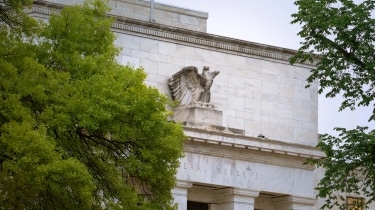 One of the biggest responsibilities of the Federal Reserve is setting monetary policy through the raising and lowering of interest rates. But how does it decide which direction to move? Keep reading.By Hilarey Gould|9 min
Markets
One economy, two markets, one message Rate volatility is back, but equities are taking higher yields in stride, often treating them as a growth signal rather than a stress flare.By Kriti Gupta
Invest your way
From online investing to working with an advisor, J.P. Morgan is ready to help you achieve your goals.