The Federal Reserve isn't the only central bank to hike rates in 2026: What global tightening means for investors

Editorial staff, J.P. Morgan Wealth Management
- The Federal Reserve, European Central Bank, Bank of Japan, Reserve Bank of Australia, Reserve Bank of New Zealand and Norway’s Norges Bank have all raised interest rates in 2026 as inflation remains a concern for many nations.
- Higher energy costs tied to the conflict in Iran are a big reason for the inflation concerns, although each central bank is responding to different domestic conditions, too.
- For investors, the impact of higher rates depends on expectations and what is driving the move. Stronger growth can support equities even as rates rise, while higher yields can pressure bond prices but create more attractive income opportunities.

Major central banks have shifted back toward tighter monetary policy in 2026. The Federal Reserve (Fed), European Central Bank, Bank of Canada, Bank of Japan, Reserve Bank of Australia, Reserve Bank of New Zealand and Norges Bank have raised rates, while central banks in the U.K., Sweden and Switzerland have held steady so far – though some may still raise rates before the end of the year.
The moves come as higher energy prices and supply disruptions tied to the conflict in Iran have complicated the inflation outlook. At the same time, longer-term bond yields have also moved higher as markets reassess how long higher short-term interest rates may last.
Central banks that have hiked interest rates in 2026
Central banks in many of the world’s major economies have raised their benchmark interest rates so far this year. The timing and size of the moves differ, but a common concern is that energy and other price shocks tied to the Iran conflict could develop into more persistent inflation.
Federal Reserve
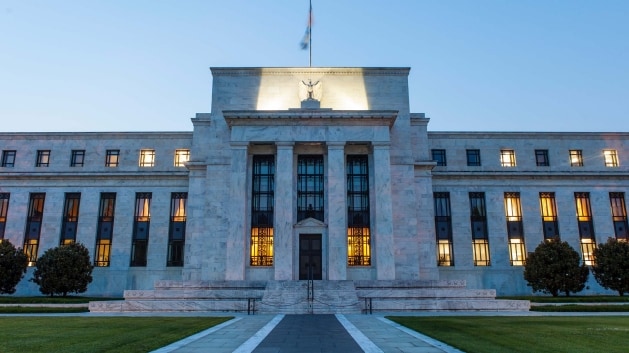
On September 16, the Federal Open Market Committee (FOMC) raised the federal funds target range by 25 basis points to a range of 3.75%–4.00%, its first increase since 2023. While the Fed held rates steady at its October meeting, the September Summary of Economic Projections signaled at least one additional quarter-point increase in 2026 as inflation remains elevated above the 2% target. The hike is widely expected to come in December at the next (and last) FOMC meeting of 2026.
European Central Bank
The European Central Bank (ECB) raised its three key interest rates by 25 basis points in June and again in September as higher energy prices increased its inflation projections. The deposit facility rate rose to 2.50%, while the main refinancing operations and marginal lending facility rates increased to 2.65% and 2.90%, respectively. The central bank projected headline inflation of 3% for 2026 as conflict in the Middle East continues to create inflationary pressure. The ECB held rates steady at its October meeting, but another rate hike isn’t off the table for its December meeting.
Bank of Japan
The Bank of Japan (BoJ) raised its policy rate to around 1.0% in June as it continued moving away from years of exceptionally low rates. In September, the BoJ increased the rate again to 1.25% – the highest level in 31 years – as policymakers sought to limit the risk of inflation surpassing the bank’s 2% target. It held rates steady at its October meeting, but a rate hike could come later this year at its December meeting, or in January 2027.
Bank of Canada
At its October meeting, the Bank of Canada (BoC) raised its policy rate by 25 basis points to 2.50%, which was widely expected. It was the first rate hike in over three years for the bank. This hike comes after the bank held rates steady on September 2. Prior to the decision, inflation risks had increased amid elevated energy prices and renewed U.S.-Canada trade tensions. The Bank of Canada says future rate hikes are not off the table for 2027 as inflation concerns persist.
Reserve Bank of Australia
The Reserve Bank of Australia (RBA) raised its cash rate four times in 2026 – in February, March, May and September – bringing it to 4.60%. The bank said inflation had been too high even before the Middle East conflict, while higher fuel and commodity prices added further pressure. It is expected to raise interest rates again by another 25 basis points at its November meeting.
Reserve Bank of New Zealand
The Reserve Bank of New Zealand (RBNZ) began raising rates in July, taking its official cash rate to 2.50%, then increased it again to 2.75% in September. The bank said June-quarter inflation had risen to 4.1% – largely because of higher fuel prices as a result of the ongoing Middle East conflict – and indicated that rates may need to rise further to return inflation to its target of 1%–3%. On October 28, it held its official cash rate steady at 2.75%, though a hike is still likely at the December meeting.
Norges Bank
Norway’s Norges Bank raised its policy rate by 0.25 percentage points to 4.50% at its September 23 meeting, explaining that tighter monetary policy is necessary to return inflation to its 2% target within a reasonable period. The bank indicated that rates would likely need to stay elevated for a time and that it’s prepared to raise them even further if inflation persists. The bank will deliver another rate decision on November 5.
Get up to $1,000
When you open a J.P. Morgan Self-Directed Investing account, you get a trading experience that puts you in control and up to $1,000 in cash bonus.
Will more central banks raise rates in 2026 or 2027?
Other central banks remain on the watchlist for potential upcoming rate hikes. The next moves may depend on whether current price pressures become more persistent. Factors such as wage growth, energy prices, currency movements, inflation expectations and economic activity can all influence whether policymakers decide another increase is necessary.
Bank of England
The Bank of England (BoE), which is in fact the central bank for the whole United Kingdom, has not raised the Bank Rate in 2026. At its September meeting, the BoE held the rate at 3.75% by a 6–3 vote, but the bank warned that higher energy prices could keep inflation elevated and that future policy would depend on how those pressures spread through the economy. The bank will announce its next rate decision on November 5, and it’s widely expected that it will raise rates by 25 basis points to 4.00%.
Riksbank of Sweden
The Riksbank held its policy rate at 1.75% at its September 23 meeting but signaled that tighter policy is likely ahead. Stronger economic activity, continued supply shocks, higher energy prices and a weaker currency are expected to put upward pressure on inflation. The Riksbank has signaled that a rate hike of 25 basis points to 2.00% could happen at its November meeting, though it may depend on whether the outlook is unchanged.
Swiss National Bank
The Swiss National Bank (SNB) held its policy rate at 0% as of September 24. Inflation has risen since June, mostly because of higher energy prices. However, the bank indicated that medium-term inflationary pressure had increased “only slightly.” Its updated forecast assumes the policy rate remains at 0% over the forecast horizon. The bank meets again in December.
What higher global rates could mean for your portfolio
For U.S. investors, adapting to changes in the interest rate environment typically means staying attuned to the Fed’s rate moves, but activity by other major central banks may also be worth monitoring. What matters for markets, however, is not simply whether rates rise or fall, but how those moves compare with what investors were already expecting.
A widely anticipated rate increase may have a limited market impact if it is already reflected in asset prices. The reasons behind the move also matter. Higher rates associated with stronger economic growth can coincide with rising corporate earnings and equity prices, while an unexpected increase driven by persistent inflation or tighter monetary policy may put more pressure on valuations.
For bondholders, higher market rates generally mean lower prices for existing fixed-rate bonds, particularly those with longer maturities. That price change matters most for investors that may be looking to sell before maturity; investors holding individual bonds to maturity may be less affected by interim price moves, assuming the issuer meets its obligations. Higher yields can also provide more attractive income opportunities for new investments.
For investors in international stocks, changes in rates can influence valuations, currencies and sector performance. Here too, the impact depends partly on what markets expect and what the change in rates signals about growth and inflation.
The bottom line
Global interest rates matter to U.S. investors because financial markets are interconnected. But markets are forward-looking, so changes in monetary policy that broadly match expectations may produce relatively modest market moves. Surprises to the outlook for growth, inflation or policy tend to matter more.
The Middle East conflict and volatile energy prices remain important variables, but so do domestic inflation, economic growth and fiscal conditions. Rather than viewing rising rates as inherently positive or negative, investors should consider what is driving the move and whether it meaningfully changes the economic or investment outlook.
Invest your way
Not working with us yet? Find a J.P. Morgan Advisor or explore ways to invest online.