
Markets
Check out the latest market news
Markets
$100 oil isn’t as scary as it used to be Higher oil prices are back in focus, but consumers and investors appear better positioned to absorb the shock.By Kriti Gupta
Markets
Earnings season guide: How to read an earnings report – and what it means for the stock market Learn how to read an earnings report beyond EPS – and why it may be important to focus on revenue, margins, cash flow and more – and see why expectations may move stocks and cause volatility.By Sergei Klebnikov|7 min
Markets
Kevin Warsh says there's still 'work to do' to fight inflation. Will the Fed hike rates at the September meeting?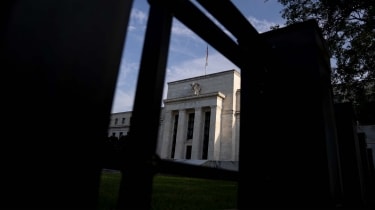 The next Fed meeting on September 15–16 comes with a big question: Hike or hold rates? Our J.P. Morgan Wealth Management strategists expect a 0.25% hike, but the decision ultimately hinges on inflation and the labor market.By Sergei Klebnikov|7 min
Markets
US-Canada tariffs are now in effect: Why autos and oil might be the bigger inflation risks U.S.-Canada trade tensions have escalated, but the near-term U.S. macro impact looks limited. Our strategists are watching autos and energy as the key inflation risks.By Sergei Klebnikov|5 min
Markets
Gold, earnings and global markets: 3 themes driving markets in August August was a strong month across asset classes. Treasury buybacks helped stabilize long-term yields and fuel a rally in gold, while another exceptional earnings season reinforced the backdrop for equities.By Carter Griffin|4 min
Markets
Yields, deficits and bonds: A JPMorgan strategist answers the 3 questions markets are asking now Investors are linking rising yields, U.S. deficits and the role of bonds as duration reprices. Learn what’s driving rates, why debt service matters, and how fixed income fits today.By Ajene Oden|8 min
Markets
Toto, I don’t think it’s the Fed anymore Bond yields are rising, but not for the reasons many expect. Energy markets and term premiums are connected in a way they haven’t been before.By Kriti Gupta
Markets
Consumer sentiment reports: Why Wall Street watches them – and what they signal for stocks, inflation and rates Wall Street tracks consumer sentiment for clues on spending, inflation and the Fed’s next move. Here’s what the latest readings could mean for investors – and how to look past the noise for long-term plans.By Sergei Klebnikov|8 min
Invest your way
From online investing to working with an advisor, J.P. Morgan is ready to help you achieve your goals.