Cash management in an evolving rate environment

Managing Director, Head of Wealth Management Banking & Liquidity
- High interest rates may offer attractive yields on cash, but as the rate environment evolves, investors may want to reassess their cash management strategies to ensure their holdings remain aligned with their liquidity needs and longer-term goals.
- In an evolving rate environment, maintaining a diversified liquidity strategy that includes short-term instruments like money market funds, alongside strategic allocations to longer-duration investments, can help balance liquidity, yield and longer-term objectives.
- Inflation and duration risk should be carefully considered as the rate environment evolves.

The potential advantages of holding cash differ depending on the current economic environment. For example, when interest rates are high, holding some cash can make sense. That said, as interest rates evolve, investors may benefit from reassessing how much cash they hold and whether cash beyond their near-term liquidity needs could be better positioned to support longer-term financial goals.
In environments characterized by high interest rates, many investors might be overallocated in cash. However, holding more cash than needed for near-term liquidity can create opportunity costs and potentially put long-term financial goals at risk, particularly as market and interest rate conditions evolve. As interest rates change, staying attuned to optimal considerations around holding cash versus putting cash to work can be key in defining a long-term investment strategy.
Long story short: As the interest rate environment evolves, investors may benefit from reassessing their cash holdings and determining whether they are appropriately positioned across near-term liquidity needs and longer-term financial goals. Strategies such as diversifying between short-term instruments like money market funds and longer-duration investments may help balance liquidity, yield and broader portfolio objectives. Read on to learn more.
Adapting to an evolving rate environment
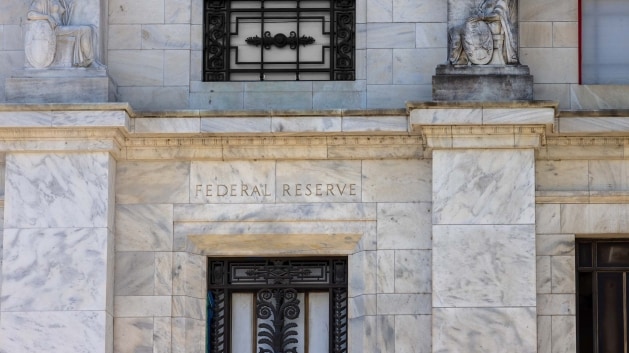
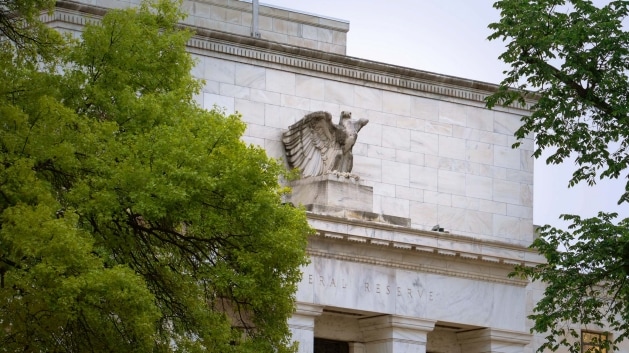
For companies or consumers, high borrowing costs may mean extra pressure. For investors, elevated interest rates can offer a relatively attractive return on cash and cash equivalents. But the flip side of this is that changes in the Fed’s policy stance – whether rates move higher, lower or remain elevated for longer – can significantly affect the opportunity set for cash and short-term investments.
With policy rates still elevated, cash and short-term investments may continue to offer potentially attractive yields. However, the future path of cash yields will depend on inflation, economic conditions and monetary policy. If the Fed eventually lowers rates, yields on cash and short-term instruments may decline. Conversely, a higher-for-longer or tighter policy environment could support elevated short-term yields.
This may lead investors to reevaluate their cash management.
Periods of changing or uncertain monetary policy can provide an opportunity for investors to reassess their liquidity needs, time horizons and the amount of cash held beyond near-term needs. With interest rates currently range-bound and future movements uncertain, some investors may consider rebalancing their portfolios to align with their risk tolerance and financial goals. This might involve reallocating cash holdings into equities, real estate or other asset classes that offer potential for higher long-term returns, while still maintaining a sufficient liquidity buffer to navigate potential rate fluctuations.,
However, those investments also typically carry more risk. That’s why it’s important to maintain a flexible strategy and consider both returns and market risk amid changing interest rate environments.
Get up to $1,000
When you open a J.P. Morgan Self-Directed Investing account, you get a trading experience that puts you in control and up to $1,000 in cash bonus.
Managing duration and inflation risk
Changes in the Fed’s benchmark interest rate can influence yields across the fixed income market, although the magnitude and timing of those changes can vary across maturities. Investors may consider aligning maturities with expected liquidity needs while evaluating whether extending duration is appropriate based on their objectives, risk tolerance and broader portfolio strategy.
For investors who do so, it’s essential to remain vigilant about the duration risk of those securities. Unlike cash or short-duration securities, longer-duration securities are highly sensitive to interest rates. The fixed interest rate locked in when buying the asset won’t change, but five or 10 years leaves plenty of time for rates to fluctuate, which may reduce the investment’s mark-to-market value before maturity.
Investors should remain vigilant about inflation risks, as persistent inflationary pressures could influence the future path of monetary policy and interest rates. In this uncertain rate environment, incorporating inflation-protected securities, such as Treasury Inflation-Protected Securities (TIPS), into a diversified strategy may help preserve capital and enhance resilience against potential inflation.
Productivity may pay off
The path of monetary policy remains uncertain, with the Fed continuing to assess inflation, labor market conditions, economic activity and the balance of risks. With policy rates still elevated, cash and short-term instruments may continue to offer potentially attractive yields. Investors should nevertheless consider whether their cash holdings remain appropriately sized for their liquidity needs and broader financial objectives.
Rather than attempting to predict the Fed’s next move, investors can work with their advisor to determine how much liquidity they need, identify cash held beyond those needs and position assets according to their time horizon, risk tolerance and financial goals. Speak to a JPMorgan advisor today to get help getting started.
Invest your way
Not working with us yet? Find a J.P. Morgan Advisor or explore ways to invest online.