Choosing the right vendor events for your small business
Ready to showcase your small business at vendor events? Learn how to get started. Presented by Chase for Business.

- Vendor events vary widely by business type, size and audience, each with its own unique pros and cons.
- Strategic research is key to finding the right fit. Look into an event's history, demographics and traffic, as well as the competition.
- Leverage multiple online resources and your professional network to evaluate events before you commit.
You've decided to participate in a vendor event –– now the question is, which one is right for your business? Before you can prepare for your vendor event, use this guide to find the perfect fit –– one that helps you connect with your customers, gain market insights and increase sales.
Read on for a breakdown of different types of small business vendor events to choose from so you can move forward with confidence.
Different types of vendor events
Each type of vendor event has its own unique characteristics, advantages and drawbacks. The perfect match for one business may not be a good fit for another. When choosing an event, consider the most important factors that will help give your business the boost you’re looking for.
Local farmers markets and artisan fairs
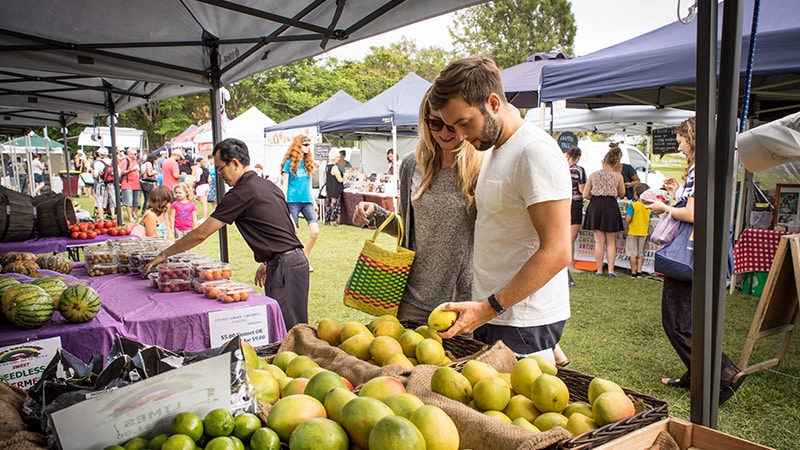
Often held weekly in public outdoor spaces, farmers markets and artisan fairs are centered around bolstering communities and their fresh, local or handcrafted products. They are best suited for smaller-scale businesses like small-batch food vendors and other local artists and crafters selling handmade goods.
- Pros: Low entry cost, direct communication with consumer, sense of community support, guaranteed foot traffic from regulars
- Cons: Dependent on seasonal and weather factors, booth setup and teardown that can be physically demanding, limited geographical reach
Large-scale consumer expos and trade shows
Expos and trade shows are large, typically multi-day vendor events that attract visitors interested in specific industries or product sectors. They are excellent for increasing brand visibility and networking for larger businesses, including tech companies, specialized service providers, wholesale businesses and consumer-packaged goods brands.
- Pros: Brand exposure, access to a large, targeted audience, B2B networking opportunities and lead generation
- Cons: Competitive environment, high entry cost, investment of time and resources into booth space, travel and materials
Pop-up shops and collaborative markets
Pop-up shops are temporary retail spaces that businesses use to create a unique shopping experience for their consumers. Brands may choose to collaborate and share spaces to pool resources and attract a larger crowd. They present a great opportunity to increase brand awareness for online retailers looking to establish a physical presence, clothing or home goods brands, specialty food and drink vendors and more.
- Pros: A strong sense of urgency to drive sales, collaborative opportunities with other brands, the ability to test new products or services with less risk
- Cons: High costs with a short duration, difficult to establish a lasting consumer base, need for quick and efficient setup and teardown
Holiday markets and seasonal festivals
Holiday markets and festivals are designed to attract customers during specific holidays or seasons, encouraging them to buy gifts and other festive items. The atmosphere is celebratory, making it ideal for seasonal businesses such as decor brands, gourmet food gift companies or winter clothing vendors.
- Pros: High-intent buyers, festive atmosphere that encourages spending, high-volume sales potential
- Cons: Seasonal and limited time periods often oversaturated with vendors, high-stress environment
Local and community events
The category of local events is broader and includes town block parties, street fairs, concerts and sporting events. The general audience is best suited for local service businesses, food trucks and family-friendly businesses wanting to raise brand awareness.
- Pros: Lower cost of entry, ability to build local brand awareness and establish a presence in the local community
- Cons: Less targeted audience than for other events, more focus on brand awareness than direct sales
Where and how to find vendor events
Before you can choose which event to attend, you’ll need to know where to look for them. Here are some resources to help get your search started:
Online platforms
Dedicated directories: Several online platforms make it easy to find and access different vendor opportunities. These platforms connect vendors with a wide range of fairs, markets and other events.
Search engines: A simple search can start you off on the right track to find upcoming opportunities. Searching terms like “artisan fairs near me” or “events for small businesses in [your city]” can provide helpful information.
Social media
Social media groups: Consider joining local community or industry-specific groups to learn about events directly from their organizers. Try searching for terms like “[your state] vendor events” to get started.
Follow hashtags and other businesses: It’s helpful to keep up to date with other successful local businesses and vendors online. Following them and relevant hashtags on platforms can provide valuable insights into the events they’re attending.
Connect with event organizers: If you’ve had a successful experience at a past event, consider following its organizers on social media, or reach out to them directly to build relationships and learn more about future opportunities.
Industry-specific resources
Chambers of commerce: Your local chamber of commerce likely maintains an event calendar with information on community fairs, business expos and other local events.
Word of mouth: Speak with fellow vendors at other fairs you participate in and ask for their experience with other events. This is also a helpful way to build relationships within your industry.
How to choose the right vendor event
So you’ve decided to participate in a vendor event. To maximize the return on investment (ROI) from the vendor event, consider revisiting this list of questions to ask yourself and the event organizer to evaluate whether an event is the right fit for your business — before you commit any time or money.
Defining your goals
- What are my primary goals for this event? Increasing sales? Building brand loyalty? Launching a new product?
- How will I measure its success? Brand awareness? Lead generation? Direct sales?
Assessing your resources
Budget
- What is the total cost to participate in this event?
- Are there any hidden costs I should be aware of?
- What is my break-even point to participate in this event? How can I be sure to reach my goals?
Time management for setup
- How much time will I need to set up my booth and get ready for the event?
- What is the schedule for booth setup and teardown? Is there a designated time and location for where I need to be?
Staffing
- How many people will I need to staff my booth? Is there a limit to how many staff members can be working?
- Will my staff be able to take adequate breaks throughout the day?
Inventory
- Does the inventory I have currently meet demand expectations for the event?
Researching the event
Organizer reputation and annual attendance numbers
- How long has the event been running?
- Are there any references from past vendors who attended this event?
- What were the annual attendance numbers for the past few years? Is there a breakdown of the demographics?
Marketing and promotion
- What is the marketing plan to promote the event and through which channels (e.g., print, broadcast or local outreach)?
- How will the event be promoted online, and through which types of platforms or tools?
Competition
- How many vendors in my product category or niche will be present?
- What criteria are used to select vendors?
Logistics
- What are the safety and security arrangements during and after the event?
- What is the policy for cancellations or refunds?
Overall sentiment and ‘vibe’
- Do the event’s aesthetic and target audience align with my brand’s values and products?
- What is the general tone of the event? Is it family-friendly? High-end?
FAQs about choosing the right vendor event
Want to participate in a vendor event but still have questions? We have answers:
What are the common types of vendor events for small businesses?
Common types of vendor events for small businesses include craft fairs and markets, pop-up shops, community events and festivals, and occasionally larger trade shows and expos.
What should I consider when choosing a vendor event for my business?
Choosing the right vendor event is a strategic decision that can significantly impact your business’s future. While there are many crucial factors to consider, some of the most important ones include ensuring that the event fits with your business objectives, is within your budget and has a strong reputation.
How much does a vendor booth cost?
The cost of a vendor booth can vary greatly, ranging from free to thousands of dollars, depending on the event’s size, location and reputation. Remember to factor other costs into your budget for things like application fees, local business permits and travel expenses. To help manage these costs, consider keeping your business and personal finances separate by opening a business checking account.
What are the differences between farmers markets and flea markets?
Farmers markets and flea markets are two distinct types of vendor events. Farmers markets are primarily focused on supporting food products. Vendors usually include farmers, bakers and other artisans who make their own goods. Flea markets, on the other hand, include a wider range of goods, such as antiques, new merchandise, handmade products and other unique finds.