
Investing
Find out how to start growing your wealth
Investing
What to do when the market drops: A step-by-step investing checklist Read on for an action plan for market declines that prioritizes what to do first and what to avoid. You’ll also learn how to pressure-test your goals, time horizon and risk before making any changes.By Sergei Klebnikov|8 min
Investing
What is the Federal Reserve? Structure, functions, meeting schedule and why it matters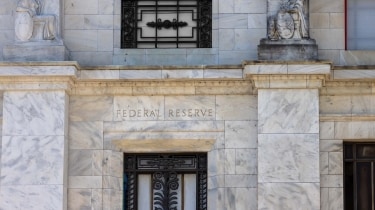 The Federal Reserve is the U.S. central bank, and its decisions such as interest rate hikes and cuts can help tame inflation and stimulate job growth. Learn more about the Fed and why it matters.By Hilarey Gould|7 min
Investing
Securities-based lending strategies: Understanding fixed vs. floating rates While promotional offers may let you lock in seemingly attractive rates on loans against your portfolio, it’s important to consider all the conditions beyond just the headline rate.6 min
Investing
What is a bid-ask spread? How it works, plus considerations for investors A bid-ask spread is the difference between the highest price buyers will pay for an investment and the lowest price sellers will accept. It's also a measure of liquidity and a key component of trading.By Sergei Klebnikov|7 min
Investing
What is capex (capital expenditures)? Definition, examples and why AI is driving it higher in 2026 Learn what capex is, where to find it in financial statements and why rising AI investment has become a focus of capital spending for some companies.By Sergei Klebnikov|6 min
Investing
Why timing the stock market is a bad idea Financial professionals generally advise against trying to time the stock market. See why this strategy can lead to losses and what to do instead.By Hilarey Gould|3 min
Investing
You got a raise: Ways to use the extra money Learn how to manage your raise or salary increase thoughtfully – pay down high-interest debt, build emergency savings and invest toward long-term goals.By The Know Editors|6 min
Investing
Is it too late to start investing in AI? Opportunities and risks to consider It may not be too late to invest in AI. Learn where value could emerge, what risks to consider, and whether AI exposure fits your goals and portfolio.By Sergei Klebnikov|5 min
Invest your way
From online investing to working with an advisor, J.P. Morgan is ready to help you achieve your goals.