Women in wealth throughout history: A United States timeline

Editorial staff, J.P. Morgan Wealth Management
- Women have made a number of key advancements throughout U.S. history when it comes to wealth, but the road has not been easy.
- These days, U.S. women oversee a third of household financial assets, graduate college at a faster rate than men and hold leadership – if not ownership – roles within businesses large and small.
- Key historical advances such as women attaining the right to own land, the right to vote and the right to open a bank account without the permission of her husband have all paved the way for women today.

When it comes to building and managing wealth, American women have come a long way. Prior to 1974, when the Equal Credit Opportunity Act passed, a woman could not open a bank account, apply for a credit card or get a home loan without the permission of her husband. And if she didn’t have a spouse, she would be refused – unless accompanied by a male co-signer.
These days, U.S. women oversee a third of household financial assets, graduate college at a higher rate than men and hold leadership – if not ownership – roles within businesses large and small. The country still has a way to go toward full financial equality, but the long path to this point has been paved by trailblazing women and events. The following is a timeline of some of the major milestones on the road to women’s wealth in America.

1862: Some women became landowners.
In May of 1862, the Homestead Act was passed in the U.S. giving people including certain women access to free federal land. It was the first time in the country’s history that women were allowed to claim land in their own name. Hundreds of thousands took advantage of the opportunity. Owning land gave women power and the ability to support themselves and their family. This paved the way for women to achieve financial prosperity independent of men. The guarantee was offered to certain African Americans four years later.

1882: JPMorgan Chase’s first women’s banking department.
For generations, women were not permitted to do their own banking. In 1882, a predecessor of JPMorgan Chase, The First National Bank of Chicago, established its women’s banking department to cater to wealthy widowed women, a novel concept at the time. The departments were intended to provide women a respite from the “chaos” of the main banking hall, because at the time, shops and offices like banks were considered unsuitable for “respectable” women to spend time in. The highly personal experiences of these departments represented many banks’ first foray into retail banking. By the 1920s, women’s banking departments had gained widespread popularity, featuring rooms where clients could meet with friends, make phone calls and read magazines. These features were intended to attract and retain female clients, who many banks considered to be more loyal. By 1969, the department included 11,000 customers with deposits totaling $50 million.
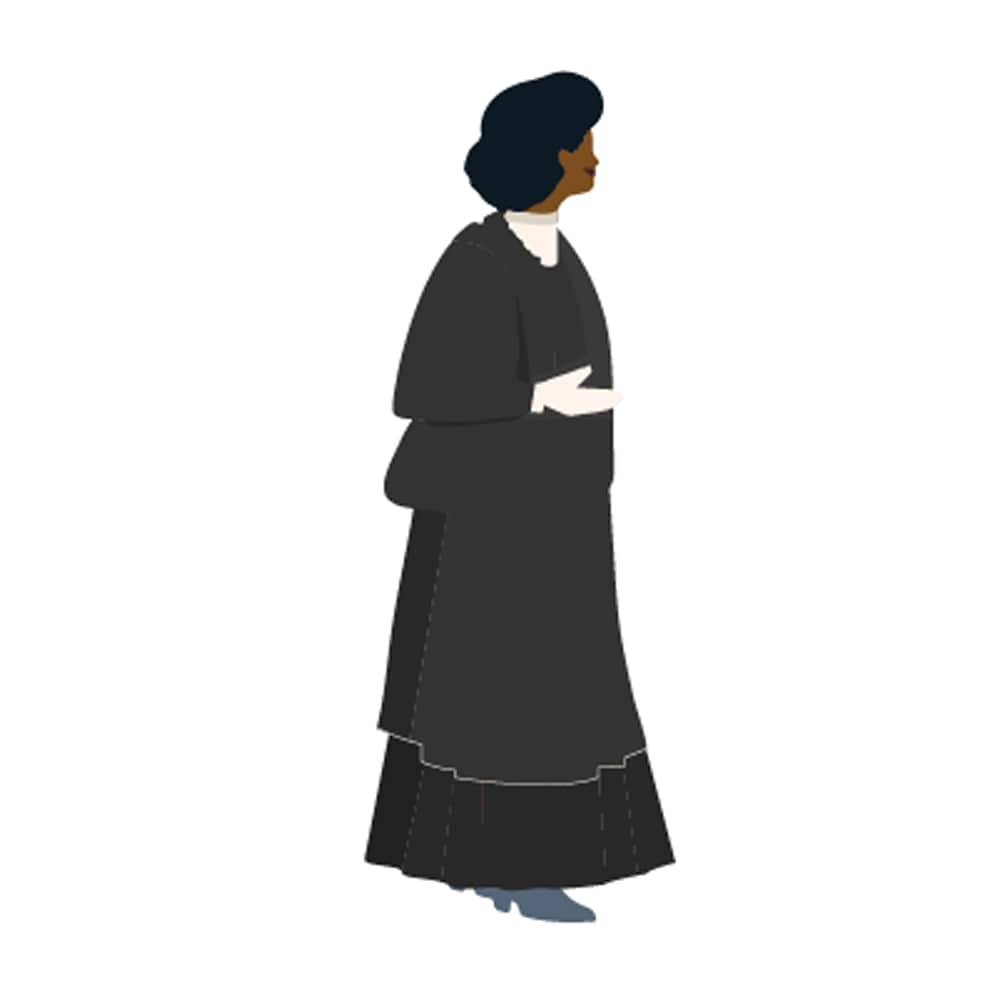
1910: The first female self-made millionaire.
Madam C. J. Walker is often identified as the first American woman to become a self-made millionaire – and the first Black woman to do so. A bout with hair loss inspired Walker to create the line of hair care products from which she made her millions. Walker used her fortune to give back through scholarships and large donations to charities including to the NAACP and the Black YMCA.
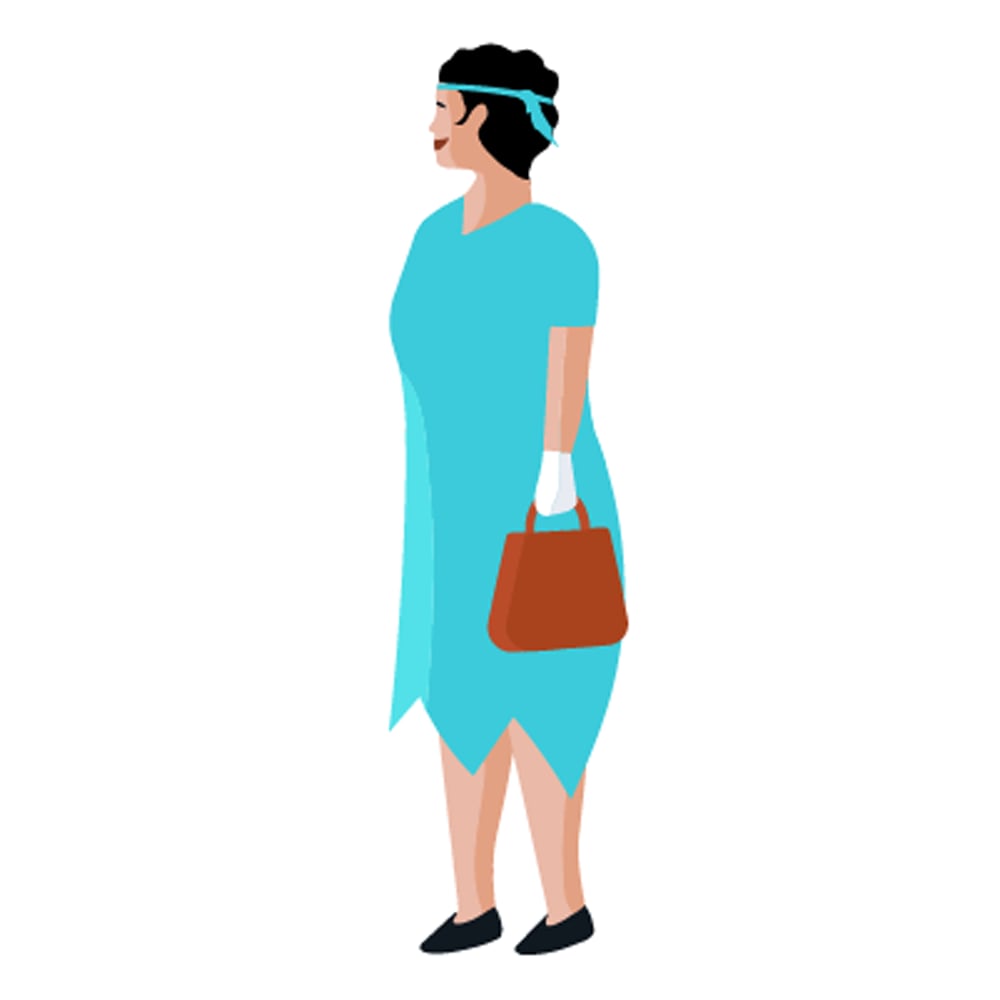
1920: The first women claim their constitutional right to vote.
On June 4, 1919, after a hard-fought battle, the 19th Amendment was passed, giving women the right to vote. On August 18, 1920, the law was ratified, but it wouldn’t be until The Voting Rights Act of 1965 that all American women – regardless of race – would have the right to vote. Ever since, women have participated in the electoral process, chosen their elected leaders and shaped the country with their voices.
Get up to $1,000
When you open a J.P. Morgan Self-Directed Investing account, you get a trading experience that puts you in control and up to $1,000 in cash bonus.

1920: Clara Porter wrote “The Woman Investor.”
In 1920, only certain bonds were commonly considered to be suitable for women. Clara Porter, who worked in the bond department at Guaranty Trust Company of New York, disagreed with this. In the Guaranty Trust newsletter, Porter wrote an essay called “The Woman Investor” which argued that a person’s gender should not determine his or her investments. Porter’s essay breaks down common misconceptions of women investors and argues that, in the following decades, women’s involvement and influence in not only the bond market but also the political sphere would become more prominent. (Porter was right.) Read Porter’s original “The Woman Investor” essay here(PDF).

1963: Equal pay becomes law.
Signed by President John F. Kennedy on June 10, 1963, the Equal Pay Act of 1963 mandated equal pay for equal work, regardless of gender. Calls for equal pay had grown louder across America since women entered the workforce en masse in 1942. But it wasn’t until 1963 that it became a law when it was enacted as an amendment to the Fair Labor Standards Act of 1938, which set a minimum wage, enforced overtime rules and protected children from harsh working conditions. The Equal Pay Act was designed to level the playing field between women and men when it comes to pay, but pay disparities remain, even today.
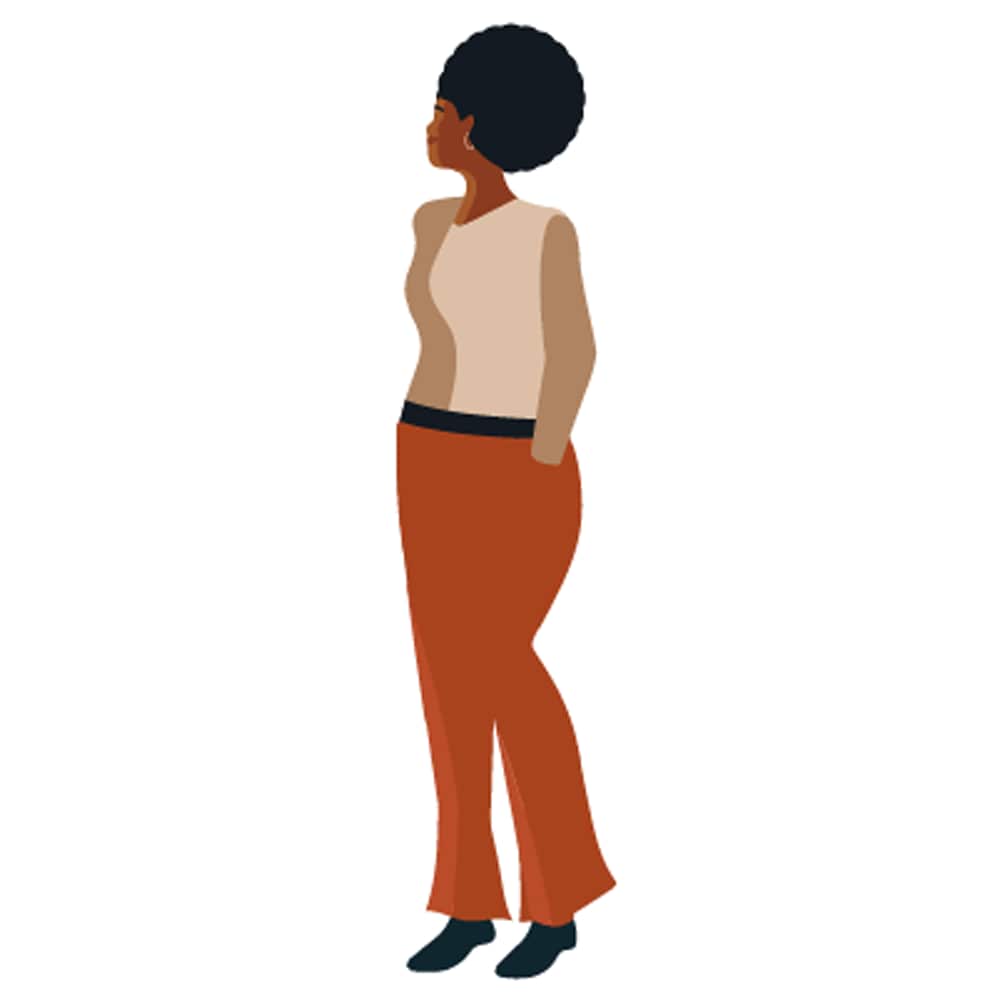
1974: A giant leap toward financial independence.
The Equal Credit Opportunity Act became law on October 28, 1974, making it illegal for banks, lenders and credit card companies to discriminate against an applicant based on their gender, race, religion or national origin. It meant women didn’t require a man to co-sign for their loans whether they were married, divorced, widowed or single.

1993: Maternity leave rights secured.
On February 5, 1993, the Family and Medical Leave Act was signed into law by President Bill Clinton. The law gave women (and men) as much as 12 weeks of unpaid leave each year for certain medical and family reasons.

2014: The first woman in charge of the U.S. economy.
It wasn’t until 1974 that women got the ability to bank without the permission of their husbands. It would take 40 more years before a woman would lead the biggest bank in the country. In early 2014, Janet Yellen was appointed the first female chair of the Federal Reserve, something that hadn’t happened in the Fed’s 100-year history. She’s since gone on to an illustrious career, most recently serving as Treasury Secretary by President Joe Biden. She was sworn in as the 78th Secretary of the Treasury on January 26, 2021.

2024: Women occupy over 10% of Fortune 500 CEO positions.
As of June 2024, more than 10% of CEOs of Fortune 500 companies were women. Although the percentage remained stable since 2023, the number’s been steadily rising – as recently as summer 2022, 8.8% of Fortune 500 CEOs were women CEOs. For context, the Fortune 500 company list began in 1955. It was not until 1972 that Katherine Graham became the first female CEO, when she was appointed to lead The Washington Post. Over the course of 52 years since the first Fortune 500 CEO until 2024, the number of women CEOs rose from one to 52 – an average rate of approximately one additional female CEO appointed per year.
It’s clear we’ve come far since 1862, but when it comes to women and finance in the U.S., there’s still a ways to go.
Invest your way
Not working with us yet? Find a J.P. Morgan Advisor or explore ways to invest online.